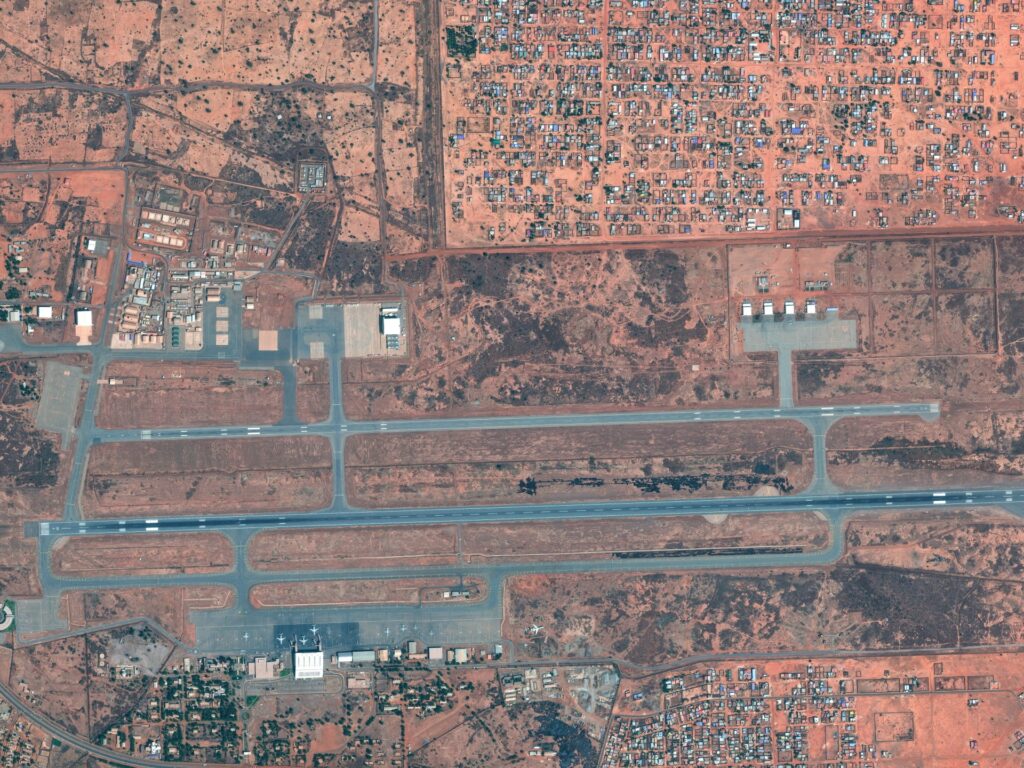
The military government in Niger has leveled serious accusations against France, Benin, and Ivory Coast, alleging their involvement in a recent attack on a key airport in the country. The military ruler, General Tiani, has made these claims amidst heightened tensions in the region.
In a strong statement, General Tiani warned, “They should be ready to hear us roar,” underscoring the military government’s readiness to respond decisively to what it views as hostile acts. The accusation marks a significant escalation in the already delicate political and security situation in Niger, which has been grappling with internal unrest and security challenges.
General Tiani also publicly expressed gratitude towards Russian troops, acknowledging their crucial role in defending the airbase during the attack. The presence of Russian forces in Niger has been a point of international interest, given the strategic implications and shifting alliances in West Africa.
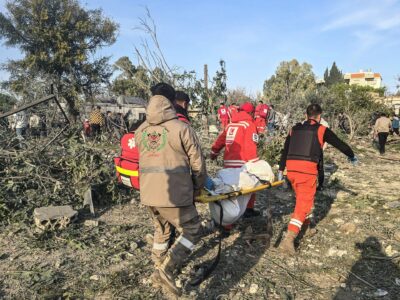
The airport attack is a severe incident, disrupting not only civilian air traffic but also military and logistics operations critical for the country’s stability. Security officials have been on high alert following the attack, and the military government has vowed to strengthen defenses and increase vigilance to prevent future incidents.
The accusations against France, Benin, and Ivory Coast add complexity to the regional dynamics. France has historically maintained strong ties with its former colonies in West Africa, including Niger, and has been involved in regional security operations. Meanwhile, Benin and Ivory Coast, both neighboring countries, have reasons to maintain stability in the region but are now caught in this dispute.
Analysts suggest that these allegations could strain diplomatic relations further, potentially affecting cooperation on security and economic fronts. Niger’s military leadership appears to be asserting a tougher stance, signaling a shift in foreign policy and security priorities.
The involvement of Russian troops, thanked by General Tiani, indicates a possible pivot in Niger’s strategic alliances from traditional Western partners to new international allies. This development is part of a broader geopolitical trend observed in several African countries seeking diversified partnerships.
In the wake of the attack, Niger’s military government is likely to pursue a more aggressive security posture to safeguard its critical infrastructure and assert national sovereignty. The international community is watching closely, as the situation unfolds with implications for regional stability and international relations.
As the military government prepares its next moves, diplomatic channels might see heightened activity to address the accusations and seek resolutions to prevent escalation. Meanwhile, the people of Niger face uncertainty amid these turbulent developments, hoping for a peaceful resolution to restore normalcy and security in their country.