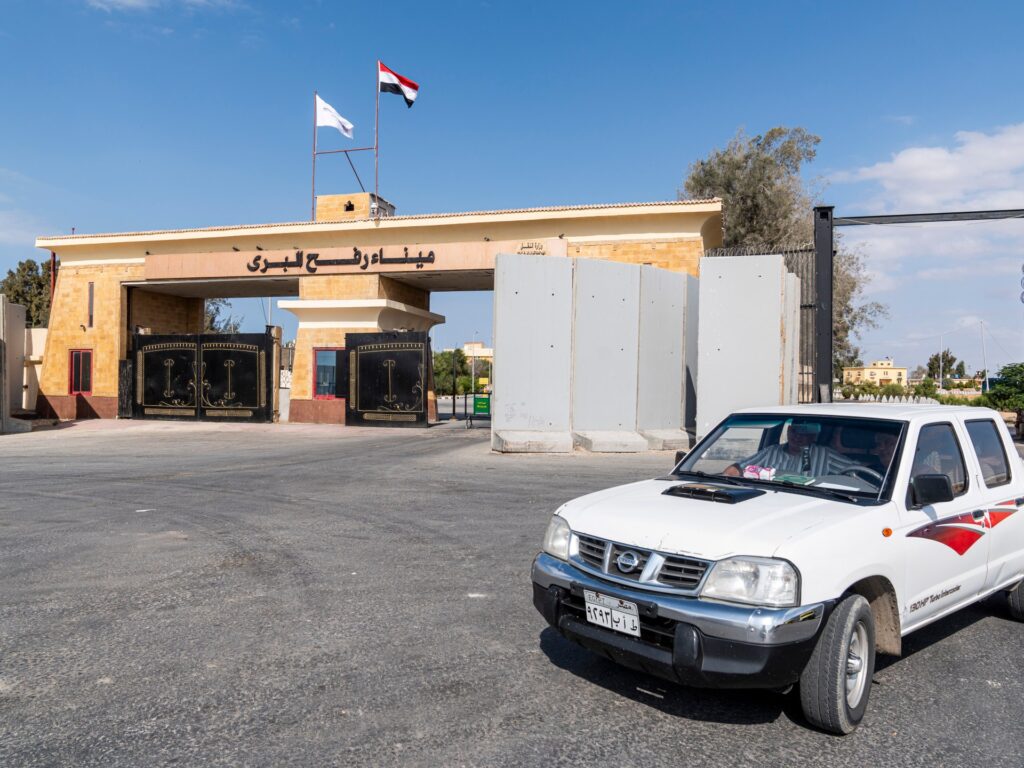
In a significant development amid ongoing regional tensions, Israel has announced plans to reopen the Rafah crossing between Gaza and Egypt starting this Sunday. The Rafah crossing, a crucial border point for the movement of people and goods, has been largely closed or heavily restricted for extended periods due to security concerns and political conflicts.
The decision to reopen the crossing is seen as a potential relief for the residents of Gaza, who have faced stringent restrictions impacting their access to medical care, supplies, and travel opportunities. By facilitating controlled passage through Rafah, Israel and Egypt aim to ease the humanitarian situation in Gaza without compromising their security protocols.
The Rafah crossing serves as the primary gateway for Gazans to the outside world, aside from the Israeli-controlled checkpoints. Its operation has been a focal point during numerous ceasefire negotiations and international diplomatic efforts. The reopening is expected to allow transit for humanitarian aid workers, patients requiring specialized medical treatment unavailable in Gaza, and some residents under exceptional circumstances.
Israeli officials have emphasized that the operation of the crossing will be closely monitored, with strict security measures implemented to prevent any potential threats. The reopening is part of a broader regional dialogue aimed at stabilizing the Gaza Strip and preventing further escalation of conflicts.
Egypt’s government has welcomed the plan, highlighting the importance of the Rafah crossing in providing Gaza’s population with a vital lifeline. Cairo plans to coordinate closely with Israel and international partners to ensure the crossing’s smooth functioning.
The timing of the reopening comes after recent international pressure and a series of discussions involving multiple stakeholders, including the United Nations and humanitarian organizations, calling for improved access to Gaza.
Local Gazan officials and residents have expressed cautious optimism about the reopening. Many hope it will lead to more sustained access and a gradual improvement in living conditions, which have been dire amid prolonged blockades and periodic outbreaks of violence.
Humanitarian organizations on the ground have urged both Israel and Egypt to ensure that the opening of Rafah remains consistent and that restrictions do not fluctuate unpredictably, as unpredictability has severely hampered aid delivery and civilian mobility.
The international community is watching closely, with hopes that this initiative could serve as a stepping stone towards broader peace and stability in the region. However, tensions remain high, and the situation continues to be fragile.
In summary, the planned reopening of the Rafah crossing marks a noteworthy moment, potentially easing some of the hardships faced by Gaza’s population while reflecting the complex interplay of security, diplomacy, and humanitarian concerns in the region. The coming days will reveal how effectively this reopening is implemented and whether it can contribute to longer-term positive change.