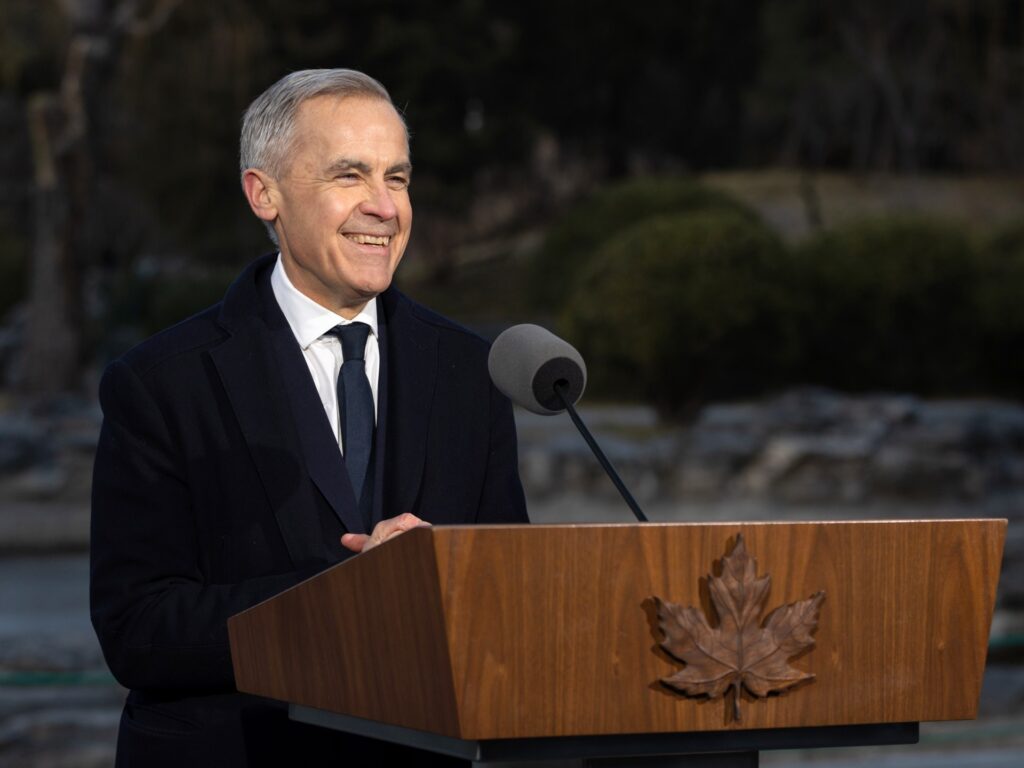
Canadian Prime Minister Mark Carney has recently expressed strong support for the new trade deals that Canada has been forging, emphasizing their importance in securing economic growth amid a transforming global landscape. Carney highlighted that these agreements are crucial not only for Canada’s prosperity but also as a framework for international cooperation among what he terms ‘middle powers’ — nations that play pivotal roles in the global order beyond the influence of superpowers.
In an era marked by increasing geopolitical volatility and unpredictability, Carney urged these middle powers to band together and present a unified stance. This coalition aims to uphold principles such as mutual respect, sovereignty, and open trade, which he considers vital for maintaining a stable international system. The Prime Minister also addressed concerns about the longstanding close relationship between Canada and the United States.
Despite occasional tensions, Carney expressed his expectation that the US will respect Canada’s sovereignty, recognizing the importance of each nation’s independent decision-making in bilateral and multilateral matters. This sentiment was presented amidst ongoing discussions about trade policies, defense cooperation, and diplomatic relations between the two North American neighbors.
Carney’s call to action underscores a broader strategic vision where smaller and middle-sized countries must adapt to a world where alliances can shift rapidly and where economic partnerships form a core pillar of national security and international influence. By enhancing trade relations and encouraging diplomatic engagement, Canada aims to secure its position on the global stage while contributing to an international environment that promotes cooperation over conflict.
The Prime Minister’s remarks come at a time when international trade agreements face scrutiny due to protectionist trends and the disruption caused by recent geopolitical events. By advocating for open markets and respect for sovereignty, Carney positions Canada as a proactive player committed to shaping a rules-based international order.
Overall, Canada’s strategy, as articulated by Carney, reflects confidence that through increased collaboration, middle powers can influence global affairs positively, balancing the interests of larger nations and fostering a more resilient and stable world economy. This vision points toward a future where Canada not only benefits from global trade but also helps mold its evolution, ensuring that sovereignty and economic opportunity coexist reliably.