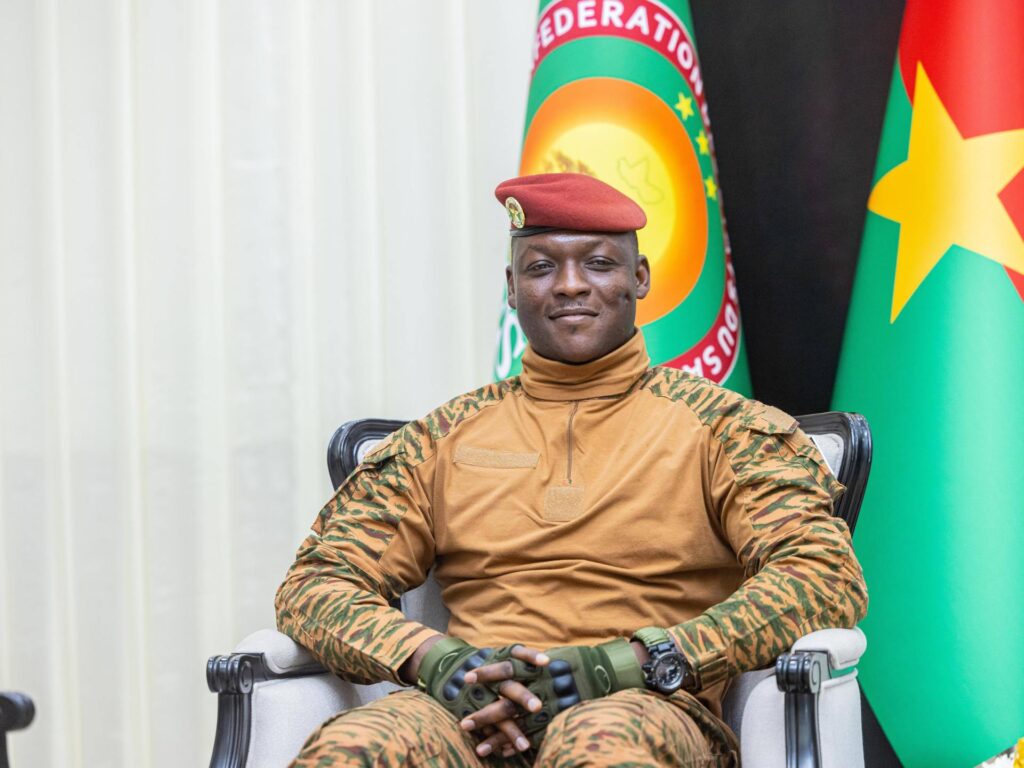
Burkina Faso has recently taken the significant step of banning political parties, a move that has drawn widespread attention and concern both locally and internationally. This action is part of a larger pattern of restrictions on political and civic freedoms in the country, which rights groups say are steadily shrinking the civic space in this West African nation.
The decision to ban political parties reflects escalating tensions within Burkina Faso’s political landscape, aggravated by ongoing security challenges and instability. The country faces severe threats from extremist groups operating in the Sahel region, which has led to a militarized approach to governance in hopes of restoring order and stability.
According to official statements, the government justified the ban as necessary to maintain peace and security.
However, critics argue that this move is a direct attack on democratic principles, effectively silencing opposition voices and undermining political pluralism. The ban is seen as part of a broader crackdown that includes restrictions on the media, civil society organizations, and public demonstrations.
Human rights organizations have condemned the ban, warning that it further restricts the rights of citizens to participate in the political process freely. It could also deepen political polarization and discourage inclusive dialogue, essential for addressing the complex challenges Burkina Faso faces.
The ban’s timing also raises concerns. Burkina Faso is undergoing a fragile transition, with hopes of holding elections and returning to civilian rule. Limiting political competition at this juncture could jeopardize these democratic aspirations and entrench authoritarian rule.
Experts suggest that the government may be prioritizing short-term security gains over long-term political stability. Without inclusive political engagement, solutions to the country’s pressing issues—such as combating terrorism, promoting economic development, and ensuring human rights—may remain elusive.
What’s next for Burkina Faso is uncertain. The ban on political parties may lead to increased tensions and unrest if opposition groups and civil society reject these constraints. The international community is likely to monitor the situation closely, pressing for a return to inclusive governance and respect for democratic freedoms.
In the meantime, Burkina Faso faces the challenge of balancing security concerns with the need to uphold democratic values. The path forward will require dialogue, compromise, and the protection of fundamental rights to ensure a peaceful and stable future for the nation and the Sahel region at large.