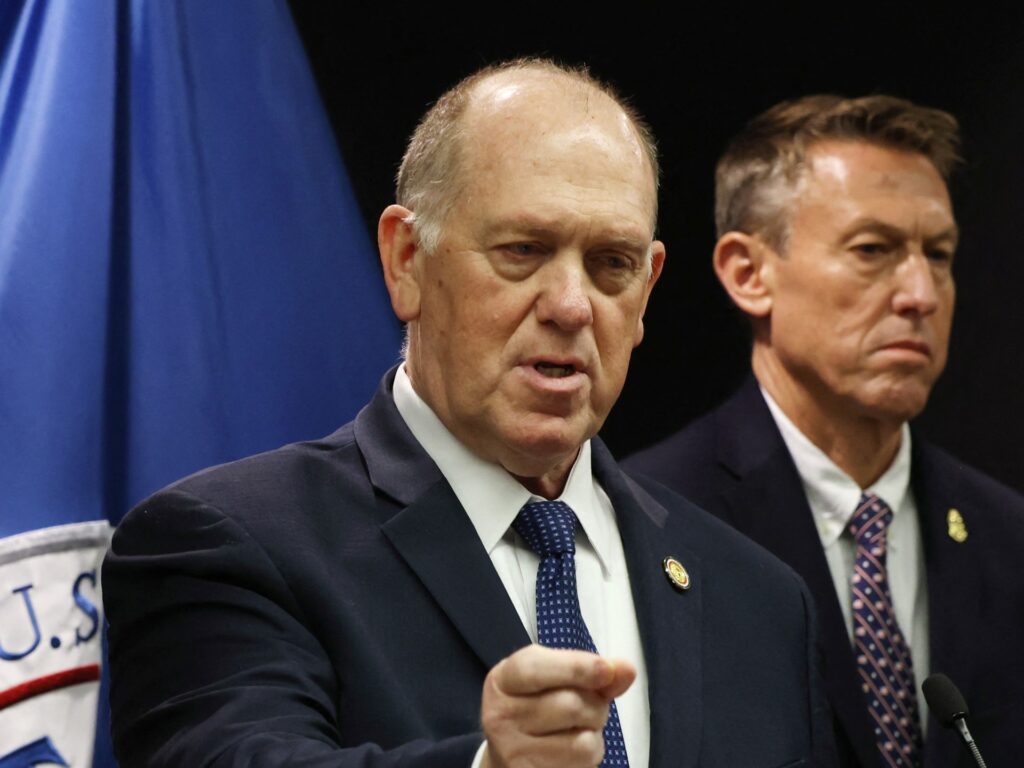
In a recent announcement, White House ‘Border Czar’ Tom Homan revealed a strategic shift in federal immigration enforcement tactics specifically targeting Minnesota. This new approach involves conducting “targeted” operations by federal immigration agents across the state, marking a departure from previous broad enforcement campaigns.
Tom Homan, known for his role in coordinating immigration and border policies for the federal government, emphasized that the shift aims to increase efficiency and impact by focusing resources on specific areas and individuals rather than widespread actions. The rationale for this change stems from the evolving nature of immigration challenges within the state, which demands a more nuanced and strategic response.
Minnesota has experienced increasing attention regarding immigration enforcement due to its diverse immigrant population and its role as a destination for many migrants. The decision to implement targeted operations indicates a move to address specific concerns such as immigration violations, national security risks, and the integrity of the state’s immigration system.
Federal agents operating under this new plan will strategically identify and prioritize cases based on risk assessments and enforcement priorities set forth by the Department of Homeland Security. The announcement suggests an emphasis on cooperation with local and state authorities to effectively deploy resources and maximize the impact of the operations.
Advocates for immigrant rights have expressed mixed reactions to this policy shift, with some highlighting potential benefits of more focused enforcement to reduce community disruptions, while others worry about increased immigration raids and their impact on immigrant communities. Civil rights groups are closely monitoring developments to ensure enforcement respects legal and humanitarian standards.
Officials have assured that these targeted operations will adhere to existing protocols and laws, aiming to avoid indiscriminate raids and unjustified detentions. Transparency and accountability in the execution of these operations remain a significant focus for federal agencies involved.
The implementation phase is set to roll out over the coming weeks, with federal authorities expected to provide updates on the outcomes and adjustments to the strategy as necessary. This shift reflects the broader federal approach to immigration enforcement under the current administration, which seeks to balance security concerns with fairness and efficiency.
As this development unfolds, attention will likely surge around how it influences the local dynamics in Minnesota, including economic and social impacts. Stakeholders across government, community groups, and legal entities remain engaged in dialogue to navigate the complex landscape shaped by immigration policies.
In conclusion, the announcement by White House ‘Border Czar’ Tom Homan signals a noteworthy change in federal immigration enforcement in Minnesota. The transition to targeted operations demonstrates a tailored, strategic effort to address immigration challenges while striving to maintain balance between enforcement and community stability.