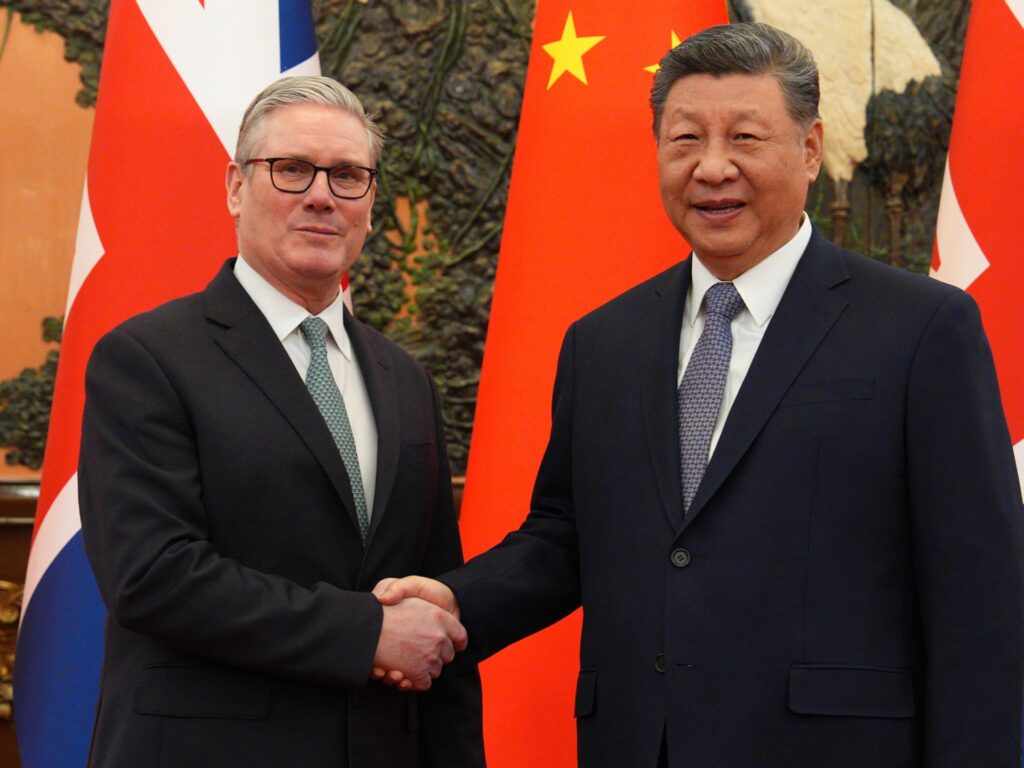
British Prime Minister Keir Starmer’s recent visit to China signals a pragmatic effort to mend and enhance the often complex relationship between the United Kingdom and China. With diplomatic ties having experienced strains over recent years because of geopolitical tensions, human rights concerns, and trade disputes, Starmer’s trip appears focused on thawing the frosty atmosphere and seeking mutual benefits.
Starmer’s government is keen to reposition the UK as a constructive player on the global stage, especially in engaging with major powers like China, a critical economic giant and strategic neighbor in Asia. The visit aims to foster dialogue on several fronts, including trade, technology collaboration, climate change cooperation, and cultural exchange.
One of the primary objectives is to reaffirm the UK’s commitment to open trade and investment with China, which, despite the political sensitivities, remains one of Britain’s crucial trading partners. Through talks with China’s leaders, Starmer hopes to secure better market access for British businesses and to create more favorable conditions for UK exporters.
Another aspect of the visit involves discussions on global challenges such as climate change, where cooperation between the UK and China could have a substantial positive impact. Both countries have important roles in international efforts to reduce carbon emissions and promote sustainable development.
Starmer also seeks to address concerns about technology and security, aiming for a balanced approach that safeguards the UK’s interests without completely cutting ties. This includes navigating issues surrounding critical infrastructure, 5G technology, and cyber security.
Moreover, the British Prime Minister is expected to touch upon broader geopolitical issues, likely advocating for peaceful dispute resolutions in the Asia-Pacific region and encouraging China to uphold international norms and human rights.
By adopting a pragmatic and engagement-focused stance, Starmer’s visit is an attempt to build a foundation for more stable and predictable UK-China relations moving forward. This approach contrasts with previous periods marked by confrontation and suspicion, aiming instead for constructive dialogue that benefits both nations economically and politically.
In summary, Keir Starmer’s trip to China is a significant diplomatic move designed to strengthen economic ties, collaborate on global issues like climate, and promote a more constructive dialogue amidst ongoing geopolitical tensions. The visit underlines the UK government’s strategic intent to engage with China not through isolation, but through pragmatic diplomacy to advance mutual interests.