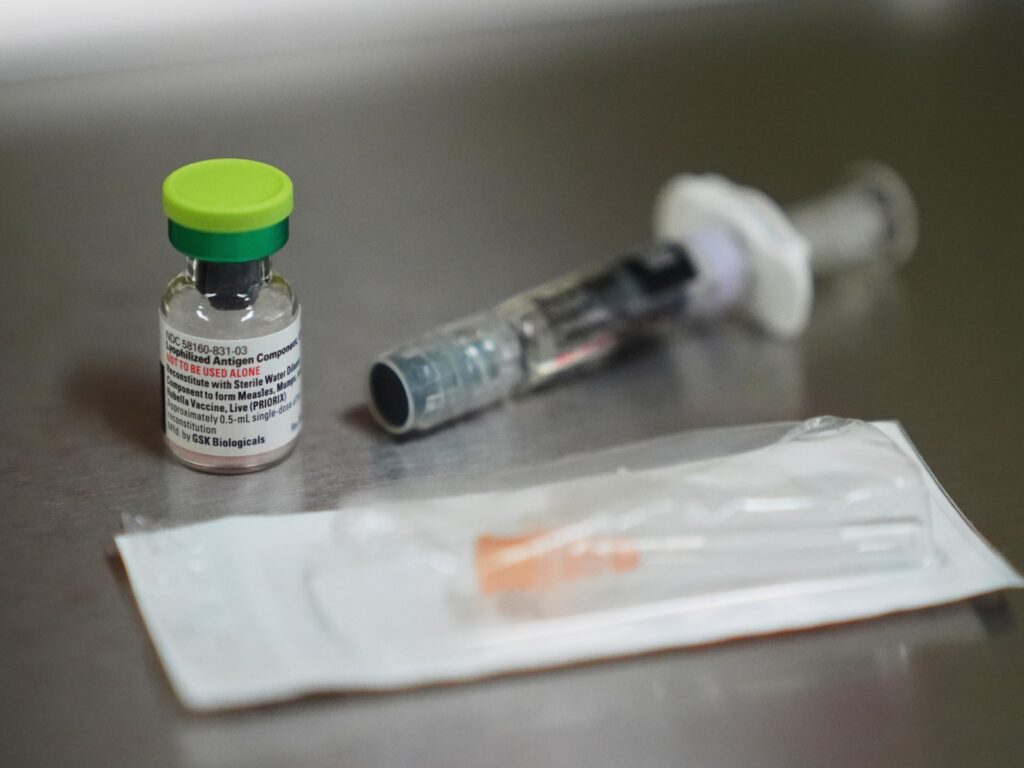
Authorities in Spain have initiated a formal investigation following the revelation that expired vaccines were administered to 253 individuals, primarily children. This incident has raised concerns regarding vaccine safety protocols and oversight within the nation’s healthcare system.
The Basque Health Minister has publicly apologized for the incident, assuring the public that the expired vaccines pose no significant health risk to those affected. The minister emphasized that the health and safety of the population remain the government’s top priority and that immediate measures are being taken to address the situation.
Preliminary reports confirm that the vaccines in question were beyond their expiration date at the time of inoculation. Health officials are currently reviewing storage and distribution practices to identify how the oversight occurred and to prevent similar incidents in the future.
Despite the vaccines being expired, the minister highlighted that there is no evidence to suggest any adverse reactions or health complications among the 253 recipients. Medical professionals have been advised to monitor the affected individuals, especially children, for any unusual symptoms or side effects.
The incident has sparked a broader discussion on the importance of rigorous vaccine management systems, strict regulatory compliance, and transparency in public health communications. Authorities have pledged to increase inspections and strengthen protocols surrounding vaccine administration.
Parents and guardians of the affected children have been contacted and provided with detailed information about the situation, as well as reassurance from healthcare providers regarding the safety measures in place.
The Spanish government has committed to full cooperation with investigative bodies and aims to publish comprehensive findings once the probe is completed. This step is aimed at restoring public confidence and ensuring that vaccination programs continue without disruption.
Experts in immunology and public health have reiterated that while vaccine efficacy can diminish past expiration, the risk associated with expired vaccines varies depending on the type of vaccine and storage conditions. The ministry is consulting with specialists to determine any long-term implications for those inoculated.
In addition to the investigation, the healthcare system is reviewing training procedures for personnel involved in vaccine handling to reinforce best practices and accountability.
Public health organizations and advocacy groups have welcomed the transparency and responsiveness shown by the Basque health authorities but have urged continuous vigilance to uphold vaccine safety standards.
This event serves as a crucial reminder of the complexities involved in managing mass immunization programs and the necessity for stringent quality control measures to protect public health effectively.
The Basque region, like much of Spain, relies heavily on vaccination campaigns to combat infectious diseases, underscoring the importance of public trust in these initiatives.
The investigation is ongoing, and further updates will be released as more information becomes available. Meanwhile, healthcare officials encourage the community to maintain confidence in vaccination benefits and to continue participating in scheduled immunizations.
This incident is likely to prompt widespread reviews of vaccine management protocols across Spain and potentially influence policy adjustments aimed at reinforcing health security frameworks nationally.
In conclusion, while the distribution of expired vaccines is a serious concern, prompt acknowledgement and action by health officials demonstrate a commitment to addressing the issue transparently and effectively, prioritizing patient safety above all else.