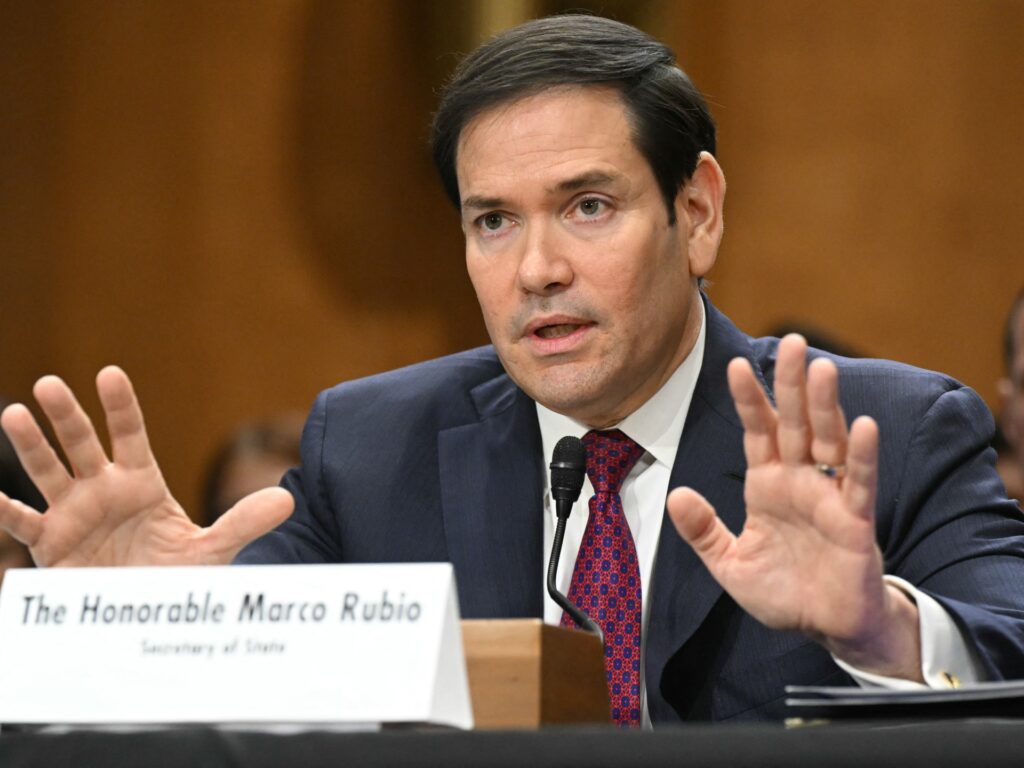
In a recent testimony before the US Senate, Senator Marco Rubio characterized the abduction of Venezuelan leader Nicolás Maduro as a ‘strategic’ necessity. His remarks, which attracted considerable attention, appeared to downplay the risks of future attacks tied to US actions in Venezuela.
Rubio, a prominent figure in shaping US policy toward Latin America, notably gave scant attention to international law principles during his explanation of the US government’s approach. He underscored the perceived immediate benefits of the Maduro abduction within the broader framework of US efforts to promote democracy and stability in Venezuela.
During his testimony, Rubio conveyed a sense of justification for the abduction, suggesting it was an essential tactic in dealing with Maduro’s regime. The senator framed this controversial move as part of a larger plan to weaken the Venezuelan government and encourage a political transition.
He addressed concerns about potential repercussions, including the possibility of retaliatory attacks. Rubio downplayed these risks, emphasizing the US administration’s assessment that future attacks would be unlikely or manageable.
Rubio’s stance reflects a shift toward more aggressive measures against the Maduro regime, aligning with a segment of US policymakers advocating for assertive strategies rather than diplomatic engagement alone. His comments highlight an approach that prioritizes tactical gains over strict adherence to international law norms.
The senator’s testimony has drawn criticism from international law experts and human rights advocates. Critics argue that dismissing legal frameworks undermines global norms and can lead to escalating conflict and instability.
This recent development occurs amid ongoing political and economic turmoil in Venezuela, with Maduro’s government facing widespread opposition both domestically and internationally. The US has previously imposed sanctions and supported opposition figures, signaling a tough stance on Maduro’s rule.
Rubio’s testimony at the Senate hearing underscored the complexity and contentiousness of US policy in Venezuela. It reveals a willingness among some lawmakers to consider extraordinary measures in pursuit of political goals.
Observers note that the downplaying of international law in Rubio’s explanation could set a concerning precedent, potentially eroding the rules-based international order. The potential for future attacks, while minimized by Rubio, remains a point of significant concern among analysts.
Ultimately, the testimony sheds light on the strategic calculations behind US actions in Venezuela and the balance officials strike between political objectives and legal norms. How this will influence future US policy and international reactions remains uncertain.
As Venezuela continues to grapple with economic hardship and political unrest, the international community watches closely. Rubio’s remarks serve as a window into evolving US strategy and the ongoing debate over the use of force and legality in international relations.
This episode reflects broader challenges in addressing authoritarian regimes and conflicts where democratic principles and international law intersect with national interests and security concerns. Policymakers face the difficult task of navigating these competing imperatives in pursuit of lasting solutions.
In summary, Senator Rubio’s characterization of Maduro’s abduction as a ‘strategic’ necessity, coupled with his minimization of risks from future attacks and limited reference to international legal frameworks, highlights a contentious and evolving chapter in US-Venezuela relations. It underscores the tensions between tactical expediency and legal-ethical considerations in international diplomacy.