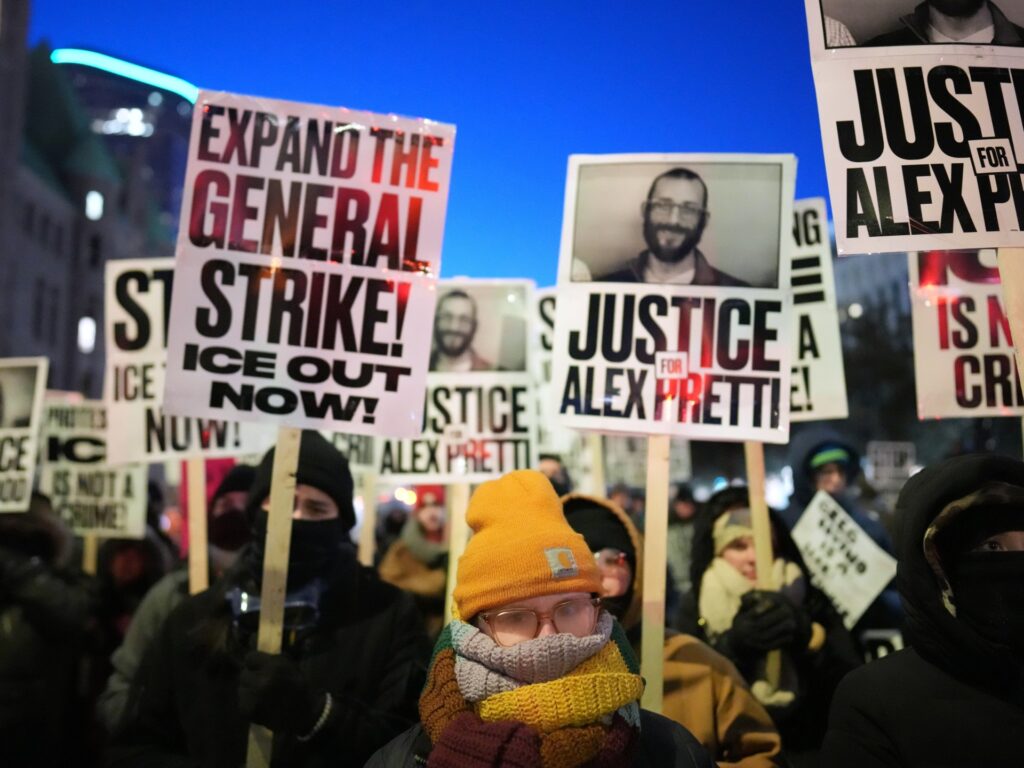
The recent death of Alex Pretti, a young immigrant in custody, has ignited a significant political shift within the US Senate. This tragedy has prompted several Democratic senators to reconsider their stance and appear willing to risk a government shutdown to demand reforms in immigration enforcement.
Alex Pretti’s death has drawn widespread attention to the practices of immigration agents, sparking outrage and calls for accountability. Advocates argue that this incident underscores severe flaws in the treatment of immigrants detained by federal authorities and has led to heightened demands for changes in policies governing immigration enforcement.
The Democratic caucus, traditionally more cautious about pushing budget brinkmanship to the edge, is reportedly experiencing internal pressure to place immigration reform at the forefront of legislative priorities. Some senators are now prepared to leverage the threat of a government shutdown as a bargaining chip to secure stronger oversight and safeguards against abuses by immigration officials.
Government shutdowns occur when Congress cannot agree on budget appropriations, leading to the temporary closure of non-essential federal operations. Historically, shutdowns have been used as tactics to advance political agendas, often with significant consequences for federal employees, public services, and the economy.
In this context, the potential shutdown would aim to compel the federal government to enact reforms addressing the treatment of immigrants in detention, improve accountability for immigration agents, and potentially overhaul current immigration enforcement protocols. The senators advocating for these measures emphasize the urgency of preventing further tragedies and ensuring humane oversight.
Republican lawmakers, however, have expressed concern over the possibility of a shutdown, particularly one driven by immigration issues. They caution against using critical government funding as leverage for policy demands and emphasize the importance of maintaining national security and orderly immigration processes.
The administration has acknowledged the controversy and expressed a willingness to review immigration policies, but it has stopped short of endorsing the drastic measure of a government shutdown to force reforms. Officials stress the need for bipartisan cooperation to achieve meaningful and sustainable changes.
Public opinion remains divided, with some Americans supporting stronger immigrant protections and accountability while others prioritize strict immigration enforcement and border security.
As the deadline for the current budget approaches, discussions among lawmakers are intensifying. The incident involving Alex Pretti has elevated immigration issues in the national discourse to unprecedented levels, making it a pivotal factor in negotiations.
In conclusion, while it is uncertain whether the government will actually shut down over this issue, the death of Alex Pretti has certainly reshaped the political landscape. It has solidified a faction within the Democratic Party willing to risk high political stakes to push for comprehensive immigration reform. The coming days will be critical in determining whether this tragic event leads to substantive changes or further political stalemate.