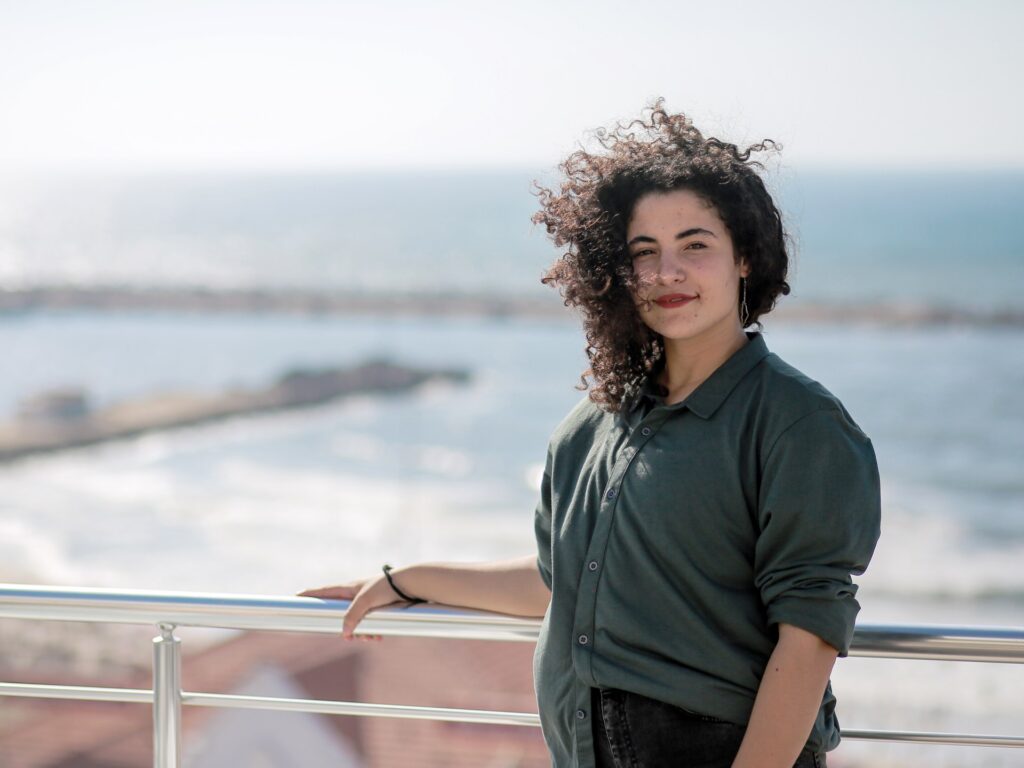
Palestinian journalist Bisan Owda, who has amassed a significant social media following of 1.4 million on TikTok, recently reported that the platform has been banned. Owda, an Emmy-winning journalist known for her insightful coverage, linked the ban to recent developments in the ownership structure of TikTok in the United States as well as political remarks made by Israeli Prime Minister Benjamin Netanyahu.
TikTok, a widely popular social media app famed for its short video format, has been under intense scrutiny globally, particularly in the US, due to concerns about data privacy and ownership. Changes in the platform’s US ownership have caught the attention of regulatory authorities and users alike, potentially influencing decisions about the app’s accessibility in various regions.
Owda’s reports suggest that this ban is not merely a business or regulatory issue but appears to be intertwined with geopolitics. She pointed out that statements from Israeli Prime Minister Netanyahu may have played a significant role in shaping the narrative or decisions leading to the ban. Netanyahu’s remarks have had a substantial impact on delegitimizing or framing certain platforms within the region, reflecting the complex interplay between politics and technology.
The intersection of political interests and social media regulations is not new but continues to evolve with ongoing geopolitical tensions, particularly in the Middle East. Journalists like Bisan Owda remain crucial in shedding light on how technology platforms are increasingly becoming battlegrounds for political influence.
Owda’s substantial follower base underscores the importance of TikTok as a tool for communication and information dissemination in Palestinian communities and beyond. Restrictions on such platforms can significantly impact the flow of information and freedom of expression, highlighting concerns among advocates for digital rights.
The TikTok ban reported by Owda aligns with a broader series of actions taken by various governments worldwide to regulate or restrict social media platforms amid national security concerns. The situation reflects the delicate balance between technological innovation, user freedom, and sovereign control.
As investigations and debates continue regarding TikTok’s ownership and operations, the implications of this ban may reach far beyond Palestine, affecting international digital policy and regional socio-political dynamics.
Observers are closely watching how these developments will unfold and what they signify for the future of social media in politically sensitive contexts. For now, the ban serves as a stark reminder of the complex realities faced by digital platforms operating in an increasingly fragmenting global landscape.