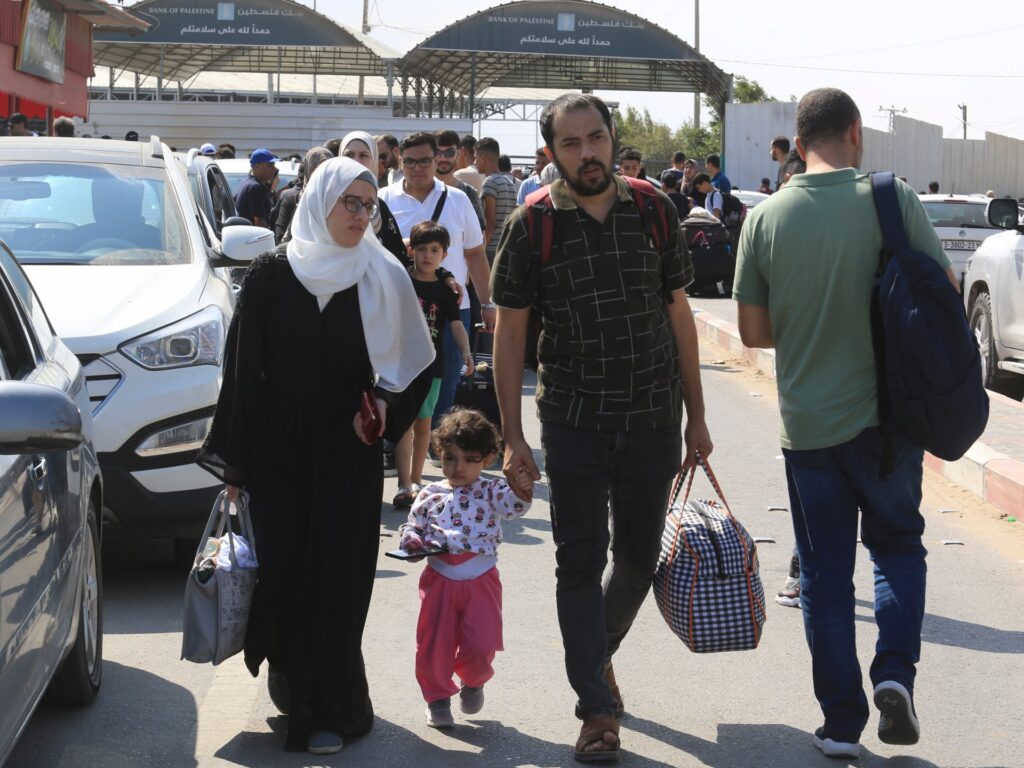
The ongoing conflict and humanitarian crisis in Gaza have taken a complex turn with Israel demanding a policy of allowing ‘more exits than entries’ at the Rafah crossing, which borders Egypt and Gaza. This stance is sparking considerable concern and controversy, especially as Egypt objects to Israel’s demands, fearing it might lead to engineered displacement of Palestinians.
The Rafah crossing is a crucial gateway for Palestinians in Gaza to leave the enclave, receive aid, and access medical treatment unavailable locally. Currently, with the border crossing tightly controlled and often closed, access is extremely limited, worsening the humanitarian crisis in the area.
Israel’s insistence on permitting more people to exit Gaza than enter through Rafah is interpreted by some observers and humanitarian groups as a strategy that could force Palestinians to leave their homes, potentially reshaping the demographic and political landscape of the region. Such a move, critics argue, risks creating a situation of mass displacement under the guise of humanitarian measures.
Egypt’s objection is significant since it controls the Egyptian side of the Rafah crossing. The Egyptian government has expressed concerns that a one-sided flow of people exiting Gaza without adequate return or entry provisions could exacerbate regional instability and humanitarian challenges.
Many Palestinians and international observers worry that these demands could be part of a broader plan to engineer a demographic change in Gaza by encouraging or coercing populations to flee, leaving behind a devastated territory with diminished capacity for recovery and resistance.
Humanitarian organizations emphasize that any policy concerning border crossings must prioritize the safety, rights, and dignity of civilians. They argue that the focus should be on delivering aid and facilitating safe, voluntary movement rather than imposing restrictive or manipulative controls that could harm vulnerable populations.
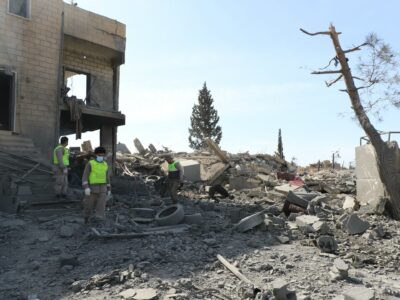
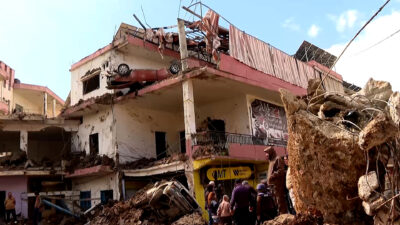
The situation at Rafah highlights the broader challenges faced in Gaza where prolonged conflict, blockades, and infrastructural destruction have left the population in dire need of relief and stability. The crossing’s operational policies are not merely logistical decisions but carry profound implications for human rights, displacement, and the future of the Palestinian people in Gaza.
In response to the tensions, calls for international mediation and stronger diplomatic efforts have intensified. These aim to balance security concerns with humanitarian needs, ensuring that border policies support peace and relief rather than deepen conflict and suffering.
As the crisis continues, the Rafah crossing remains a focal point of geopolitical contention, humanitarian concern, and a symbol of the broader struggle faced by Palestinians in Gaza amidst ongoing conflict and international negotiations.