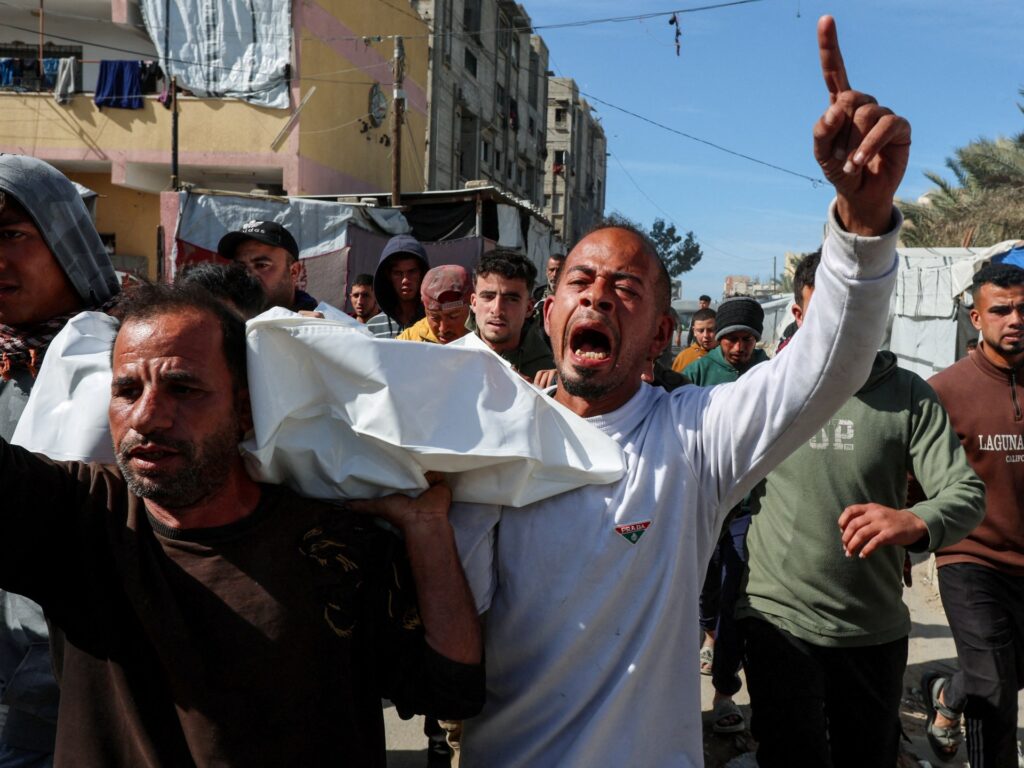
In a significant development tied to the ongoing tensions in the region, Israel has handed over 15 bodies of Palestinians to Palestinian authorities, marking the last stage of a recent captive swap deal. This exchange is part of a broader, complex negotiation effort aimed at easing hostilities and addressing humanitarian concerns.
The handover of these bodies is a critical component of the deal, reflecting a sensitive and deeply emotional aspect of the conflict for many Palestinian families who have been waiting for the return of their loved ones. Handling and repatriation of bodies have often been a point of contention and serve as a grim reminder of the human cost of the ongoing conflict.
The Palestinians, however, are currently waiting for the International Committee of the Red Cross (ICRC) to facilitate the transfer of these bodies. The ICRC is expected to coordinate the handover either in Khan Younis or Gaza City, which are key locations within the Gaza Strip. The organization’s involvement underscores the necessity of impartial international mediation in such exchanges.
This development follows a recent captive swap agreement where prisoners and potentially deceased bodies are exchanged between Israel and Palestinian groups. Such swaps are rare and delicate, requiring extensive negotiations often brokered by third parties to ensure the safety and dignity of all involved.
The situation remains sensitive, with families on both sides awaiting news of their loved ones, while political and military tensions continue to impact daily life. The return of the bodies is not only a humanitarian gesture but also an important step toward building trust and possibly laying groundwork for future negotiations.
The role of the Red Cross in this process is pivotal, as they maintain neutrality and are trusted by all parties involved. They will oversee the logistical and respectful handling of the bodies, ensuring that the transfer process abides by international humanitarian laws and standards.
The handover has been welcomed cautiously by Palestinian officials, who emphasize the importance of continuing efforts to address broader issues related to prisoners and missing persons in the conflict. They also call for further cooperation to alleviate the suffering of families affected by years of unrest.
This episode highlights the ongoing complexities and emotional weight of the conflict, where even the return of the deceased involves layers of negotiation, diplomacy, and procedural care. As international observers watch closely, the hope remains that such humanitarian gestures can pave the way toward de-escalation, dialogue, and eventual peace.
In summary, the recent handover of 15 Palestinian bodies by Israel as part of the final stage of a captive swap deal marks a poignant moment in the fraught relationship between the two parties. With the International Committee of the Red Cross poised to complete the transfer in Gaza, families await with a mixture of sorrow and hope, reflecting the broader yearning for resolution amid ongoing conflict.