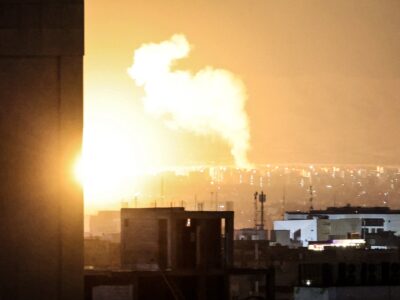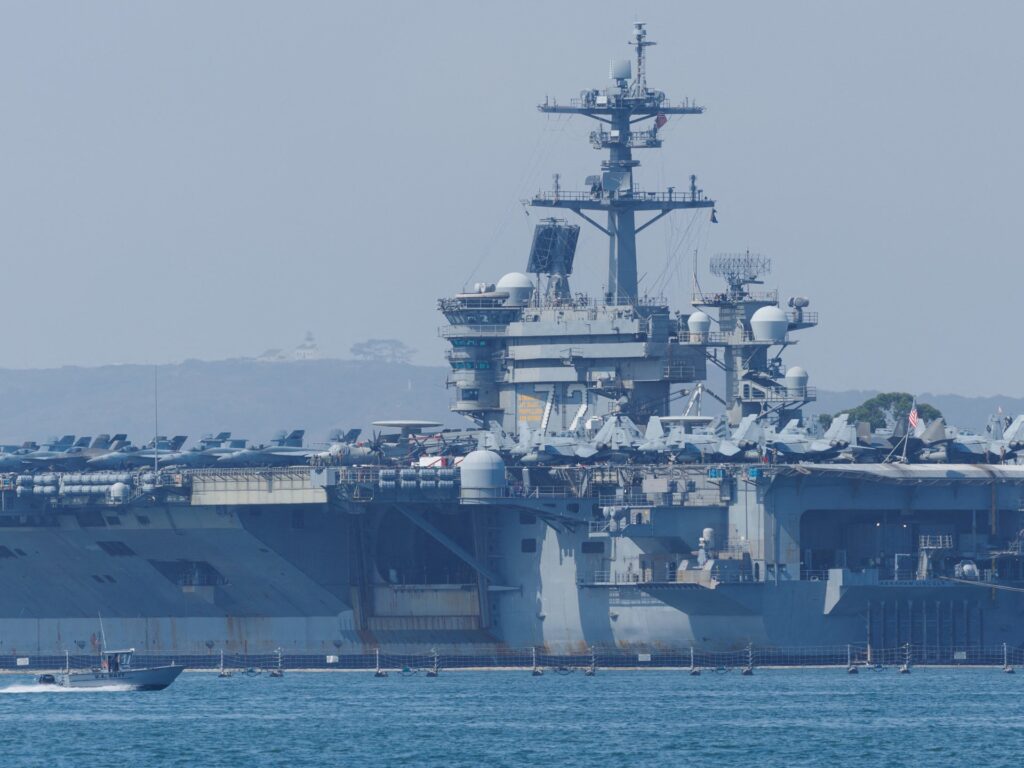
The relationship between Iran and the United States has been marked by persistent tension, fueled by a range of complex and deeply rooted issues. These tensions have intensified in recent years, reflecting contentious disputes over Iran’s nuclear program, ballistic missile development, economic sanctions, and influence in the Middle East region.
One of the central points of conflict is Iran’s enriched uranium stockpile. The United States and its allies view Iran’s development of enriched uranium as a threat, fearing it could lead to the creation of nuclear weapons. Iran, however, asserts that its program is for peaceful purposes. This disagreement has been a major sticking point in nuclear negotiations and international diplomacy.
In addition to uranium enrichment, Iran’s ballistic missile program has been a significant concern for the US. The missiles provide Iran with strategic military capabilities, including the potential to target regional adversaries and US forces. The US considers this development destabilizing and a violation of various resolutions, while Iran maintains it is essential for its national defense.
Economic sanctions imposed by the United States further strain the relationship. Sanctions aim to pressure Iran into complying with international demands regarding its nuclear and missile activities, but they also have severe impacts on Iran’s economy and civilian population. Iran views the sanctions as unjust and as tools of economic warfare.
Beyond these issues, regional influence remains a crucial domain of rivalry. Iran seeks to expand its sway across the Middle East through alliances with groups and governments sympathetic to its vision. The United States, on the other hand, works to counterbalance Iran’s influence, supporting regional allies and promoting a political order favorable to its interests.
The contrasting ambitions of Washington and Tehran have created a complex geopolitical environment. Both sides accuse the other of aggression and interference, further complicating conflict resolution. Negotiations have seen moments of progress but often stall due to mutual distrust and conflicting demands.
Human rights concerns also add to the discord, with the US frequently criticizing Iran’s domestic policies and treatment of dissent. Iran decries what it perceives as external meddling and attempts to undermine its sovereignty.
In sum, the Iran-US tensions represent a multifaceted struggle involving nuclear proliferation fears, military capabilities, economic pressure, and regional dominance. The outlook depends heavily on diplomatic efforts, the willingness of each side to compromise, and broader international dynamics.
Understanding the stakes and motivations of both Iran and the United States is essential for any hope of easing tensions and working toward sustainable peace in the region. For now, the dispute remains a defining challenge of international relations in the 21st century.