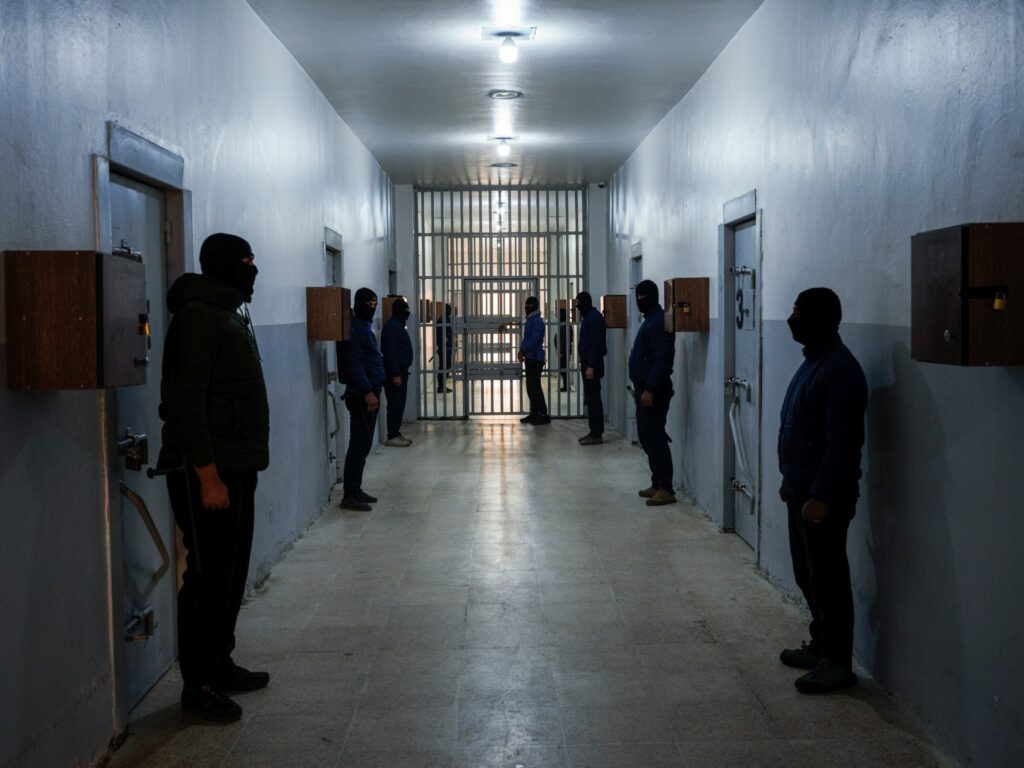
A group of French lawyers representing suspected members of the Islamic State of Iraq and the Levant (ISIL), who were recently transferred from detention in Syria to Iraqi prisons, have raised grave concerns over the treatment their clients are receiving. These men, accused of involvement with ISIL, are reportedly subjected to inhumane and degrading treatment in custody.
The allegations emerged shortly after the suspects were handed over by Syrian authorities to Iraqi officials. The lawyers claim that the detainees have been enduring physical and psychological torture, a violation of international human rights standards and Iraqi domestic regulations regarding prisoner treatment.
The transfer of ISIL suspects from Syria to Iraq is part of a broader effort to consolidate legal proceedings and ensure accountability for the many atrocities committed by the terrorist group across the region. However, this process has been marred by persistent reports of mistreatment and human rights abuses within detention facilities.
According to the legal representatives, the detainees have suffered a range of abusive practices, including solitary confinement for extended periods, physical beatings, and denial of adequate medical care. These allegations have been documented through visits by independent observers and statements from the detainees communicated via their lawyers.
Human rights organizations have expressed alarm over these reports, urging Iraqi authorities to uphold international legal standards and to investigate allegations of torture without delay. The United Nations and other international bodies have called for transparency in detention conditions and respect for the rights of prisoners, emphasizing the importance of lawful and humane treatment for all individuals, regardless of their suspected crimes.
Iraq faces complex challenges in managing large numbers of ISIL suspects within its detention system, with ongoing concerns about overcrowding, lack of resources, and security issues. Despite these challenges, the obligation to prevent torture and mistreatment remains a fundamental principle under international law.
French officials have also been involved in discussions regarding the fate of their nationals suspected of ISIL ties, stressing the need for due process and fair trials. Cooperation between France, Iraq, and Syria plays a critical role in addressing security concerns while safeguarding human rights obligations.
The allegations of torture highlight the broader humanitarian issues tied to counterterrorism efforts in conflict zones. They underscore the delicate balance needed between ensuring justice for victims of terrorism and protecting the human dignity of suspects during their detention.
As the situation develops, continued monitoring by independent human rights organizations and diplomatic engagement will be essential to ensure that those held in custody are treated fairly and in accordance with international legal standards. The international community’s response remains crucial in preventing further abuses and promoting the rule of law in regions affected by extremism and conflict.