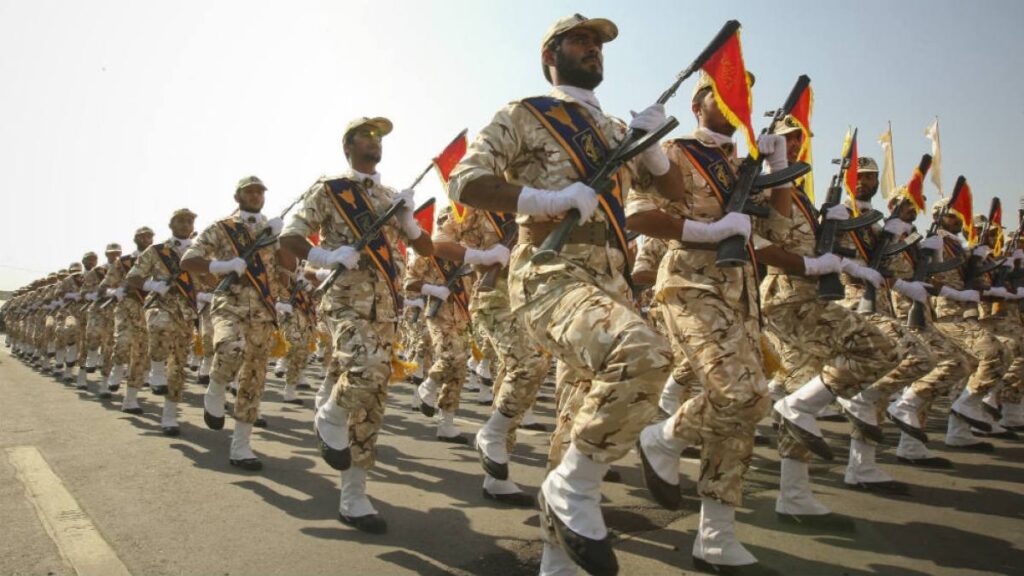
France has announced a significant shift in its stance by supporting the European Union’s designation of Iran’s Islamic Revolutionary Guard Corps (IRGC) as a terrorist organization. This move marks a departure from previous French positions and reflects growing concerns over Iran’s internal and external actions.
French Foreign Minister declared that the ongoing crackdown on protests in Iran “cannot go unanswered,” signaling a firm reaction from Paris regarding the authoritarian measures employed by Tehran’s regime. The protests, which have drawn international attention, stem from widespread dissatisfaction with Iran’s government policies and human rights abuses.
The IRGC, a powerful military and political force in Iran, has been implicated in various aggressive actions both within the country and in foreign regions. Its activities have been viewed with increasing alarm by Western countries, which accuse the group of involvement in terrorism and destabilizing activities across the Middle East.
France’s decision to back the EU’s proposal aligns with a broader international trend of holding the IRGC accountable for its role in suppressing dissent and funding proxy conflicts. The designation would impose sanctions and restrict the group’s operations, aiming to curtail its influence and curb Iran’s aggressive conduct.
This development comes amid heightened tension in the region, with Iran facing both internal unrest and external pressures. The EU’s move, with France’s support, is likely to increase diplomatic strain between Iran and European nations.
Analysts note that France’s stance reflects a recalibration of its foreign policy priorities, emphasizing human rights and regional stability. The French government’s announcement sends a clear message of solidarity with the Iranian people protesting against repression.
The EU’s anticipated designation of the IRGC as a terrorist entity is expected to be a significant step in the international community’s efforts to respond to Iran’s crackdown on protests and its broader geopolitical assertiveness.
Diplomatic sources suggest that this shift may also influence other EU member states to take a firmer stance toward Tehran. The collective EU response might include enhanced restrictions on IRGC-linked entities and increased support for human rights initiatives in Iran.
Overall, France’s support for labeling the IRGC as a terrorist organization reflects growing condemnation of Iran’s internal policies and a commitment to addressing security challenges posed by Tehran’s military wing. This policy change underscores the complex dynamics of EU-Iran relations and signals potential shifts in regional geopolitics.