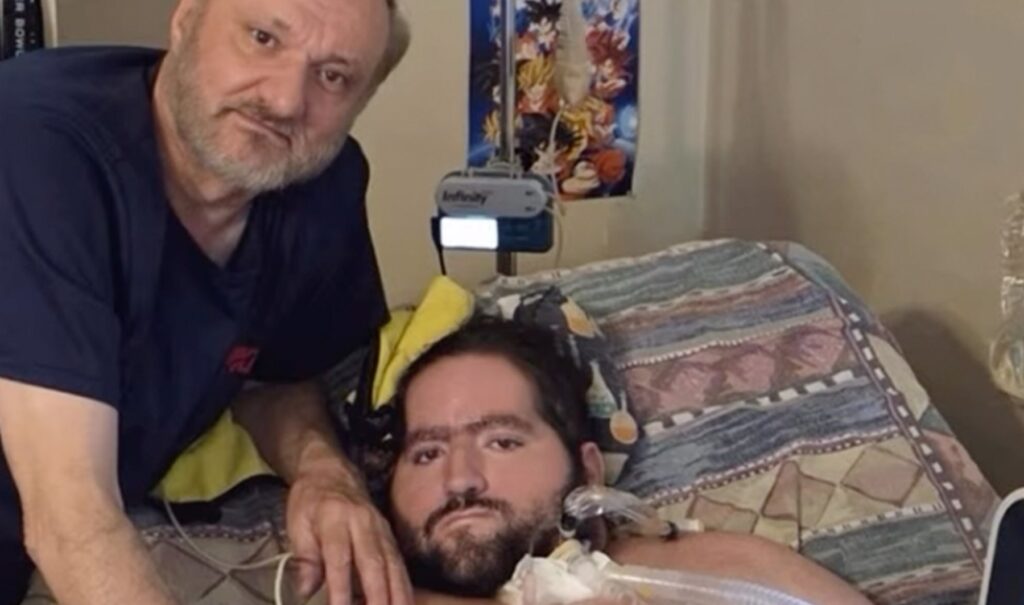
The tragic death of Wael Tarabishi, a disabled young man, has sparked outrage as his family holds U.S. Immigration and Customs Enforcement (ICE) responsible. Tarabishi died after spending several weeks in intensive care, a period during which his primary caregiver, his father, was detained in ICE custody.
Wael Tarabishi’s condition required constant and specialized care, which his father diligently provided. However, after his father’s detention by ICE, the family claims that Wael’s health deteriorated drastically due to the absence of his main support system.
The Tarabishi family alleges that ICE’s decision to detain the father showed a disregard for the critical needs of Wael, who was unable to care for himself independently. Their argument centers around the idea that the detention disrupted his essential care, ultimately contributing to his death.
According to family members, the father was arrested during a routine check and held in detention for an extended period. During this time, they say, Wael was left without adequate care, and the healthcare system could not compensate for the absence of his familiar caregiving environment.
Medical professionals had warned that Wael required continuous support tailored to his disabilities. The family contends that ICE officials failed to take this into account and neglected to consider the dire consequences of separating him from his primary caregiver.
Advocacy groups have joined the family in condemning ICE’s actions, arguing for more humane treatment of immigrants and consideration of family unity, especially when it involves vulnerable individuals with disabilities.
This case has raised broader questions about immigration enforcement policies and their impact on families, particularly those with members who have special healthcare needs. Critics argue that current protocols lack compassion and fail to align with human rights considerations.
Legal experts suggest that this tragedy could lead to calls for reforms in how ICE handles detentions involving family members responsible for dependents with disabilities. They emphasize the need for policies that ensure vulnerable individuals are protected rather than put at further risk.
The Tarabishi family is seeking answers and accountability, demanding a thorough investigation into the circumstances that led to Wael’s death. They hope their story will serve as a catalyst for change and prevent similar tragedies in the future.
This incident adds to an ongoing conversation about the balance between immigration enforcement and humanitarian concerns, highlighting the pressing need for policies that prioritize the well-being of families and individuals with special needs.