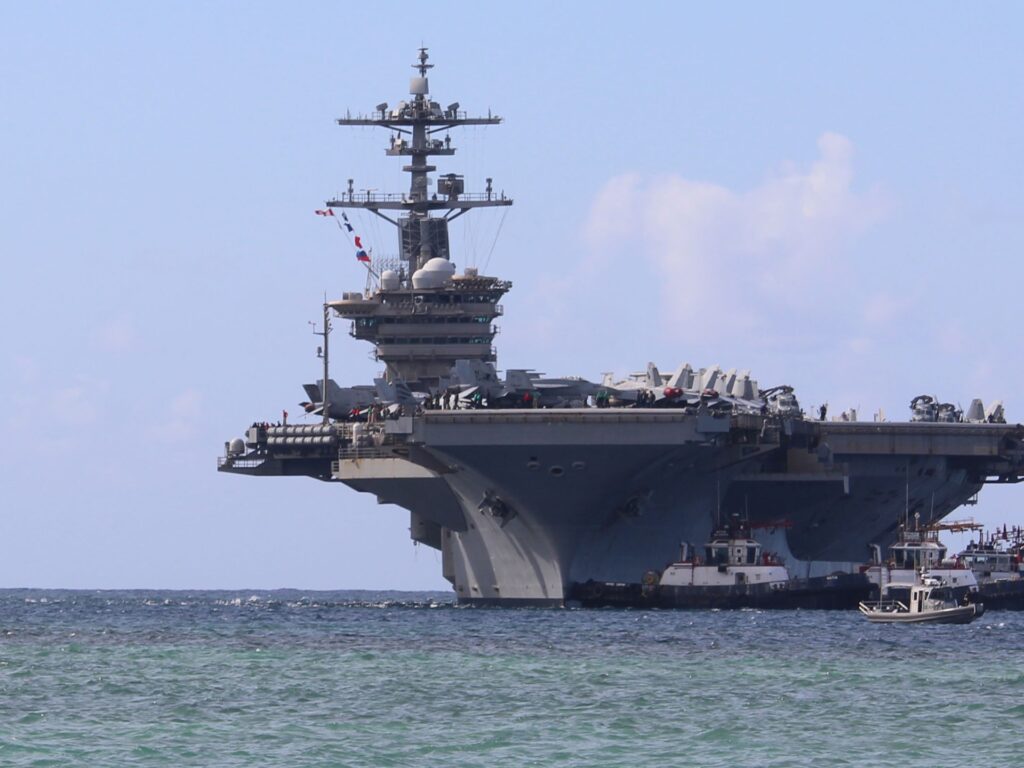
The US military build-up near Iran has manifested in various phases over recent years, most notably with significant troop deployments and naval asset positioning at strategic locations in the Persian Gulf and surrounding waters. This build-up is part of a broader strategy to deter Iranian aggression, protect vital shipping lanes, and counter perceived threats from Tehran’s missile and nuclear programs.
When comparing this build-up to the June 2025 strikes, it is essential to recognize the context and scale of both operations. The June 2025 strikes involved precise, coordinated attacks targeting specific Iranian military installations, missile sites, and strategic infrastructure. These strikes were characterized by rapid deployment of airpower, including stealth aircraft and cruise missiles, supported by naval forces ensuring air and sea dominance.
In contrast, current military movements include the congregation of naval strike groups, increased air patrols by carrier strike groups, and rapid deployment forces pre-positioned for potential engagements. These actions suggest a posture designed to both deter action and maintain readiness for escalation if required.
A sudden deployment of significant US naval and air force assets near Iran could indeed be interpreted as a signal that a strike is imminent. Such deployments typically aim to establish air and sea superiority swiftly, provide logistical support for sustained operations, and deliver a powerful deterrent message. However, these movements also serve as flexible options for decision-makers, maintaining pressure without necessarily leading directly to conflict.
The US military’s doctrine emphasizes sudden, overwhelming force to seize and maintain initiative in any conflict scenario. Therefore, a major deployment, especially when combined with the activation of rapid response units and the positioning of precision strike capabilities, may indicate heightened risk. Intelligence assessments, geopolitical signals, and diplomatic engagements during these periods are crucial for interpreting whether such deployments portend imminent action.
Historically, US strikes against Iran or related entities have followed escalations in regional tensions, missile attacks on US or allied forces, or significant intelligence indicating imminent threats. The June 2025 strikes fit within this pattern as a calculated response to such provocations.
In conclusion, while a US military build-up off Iran’s coast shares characteristics with the lead-up to the June 2025 strikes, each situation depends on specific strategic objectives, intelligence, and regional dynamics. Sudden large-scale deployments of naval and air assets often serve as both deterrents and preparations for possible conflict, making them critical signals to monitor for indications of an imminent strike on Iran.