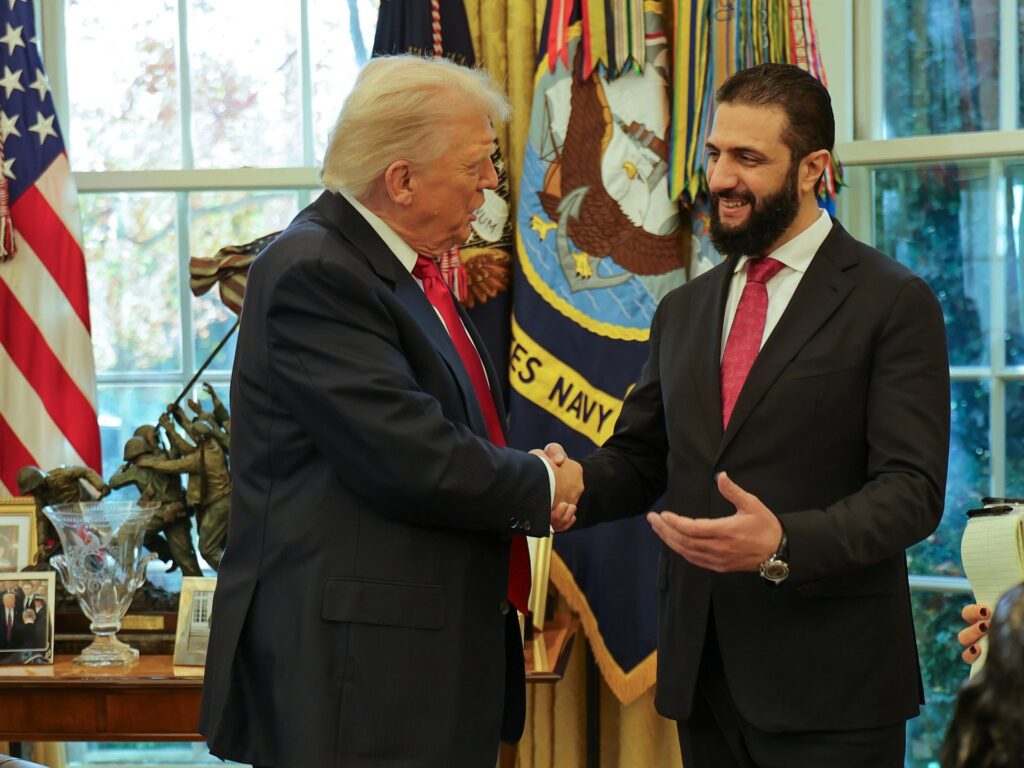
In a surprising development in Middle Eastern geopolitics, the US President has publicly praised Syrian leader al-Sharaa following a recent offensive against the Syrian Democratic Forces (SDF). This marks a notable shift in the diplomatic tone toward Syria’s leadership amid ongoing conflicts in the region.
Al-Sharaa, known for his pivotal role in Syrian politics, has been leading efforts on the ground which have now garnered attention from the highest level of US leadership. The offensive against the SDF, a key player in Northern Syria with backing from international coalitions, has been a point of tension among various global stakeholders, including the United States.
The praise from the US President may indicate a strategic recalibration or an attempt to engage more constructively with the Syrian government as regional dynamics evolve. This move could be part of broader diplomatic efforts to stabilize the region or influence outcomes favorable to US interests.
In parallel to these developments, al-Sharaa is scheduled to be in Moscow on Wednesday to hold discussions with Russian President Vladimir Putin. Russia remains a crucial ally of the Syrian government and a major power broker in the Syrian conflict, often mediating negotiations and power arrangements on the ground.
The meeting between al-Sharaa and Putin is expected to focus on strengthening bilateral relations, coordinating further military and political strategies, and possibly discussing the future of Syrian sovereignty and territorial control. The convergence of these diplomatic activities underscores the complex interplay of international and regional powers in Syria.
Experts suggest that the US President’s commendation of al-Sharaa could influence Moscow’s stance or negotiations, potentially impacting the ongoing conflict dynamics. It reflects a nuanced approach in international relations where former adversaries or rivals might find common ground due to shifting priorities or geopolitical necessities.
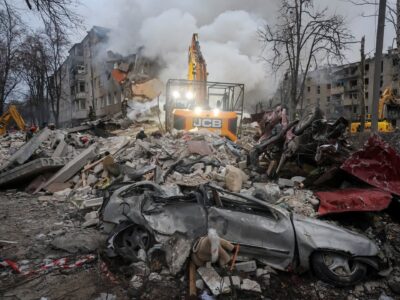
The Syrian offensive against the SDF has significant implications. The SDF, composed predominantly of Kurdish fighters, has been a crucial ally to the US in the fight against extremist groups in Syria. This offensive challenges past alignments and could reshape alliances and control zones within Syria.
Moreover, the US President’s praise might serve to encourage al-Sharaa’s leadership as he navigates these complex challenges, signaling support or acknowledgment of his role in pursuing stability, albeit through controversial measures.
The coming days will be critical in observing how these diplomatic signals translate into tangible shifts on the ground in Syria. The dialogues in Moscow and potential responses from the US could set new precedents for international engagement in the Syrian conflict.
This evolving scenario highlights the intricate balance of power, interests, and diplomacy that defines Middle Eastern geopolitics today. The US and Russia, as major global players, continue to influence the trajectory of Syria’s future, with leaders like al-Sharaa at the center of this dynamic tableau.