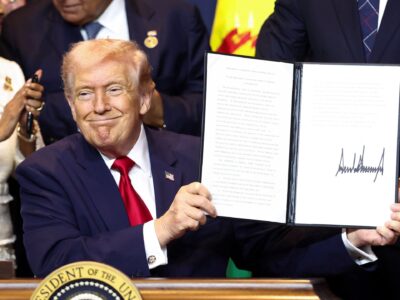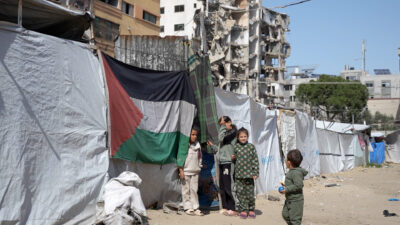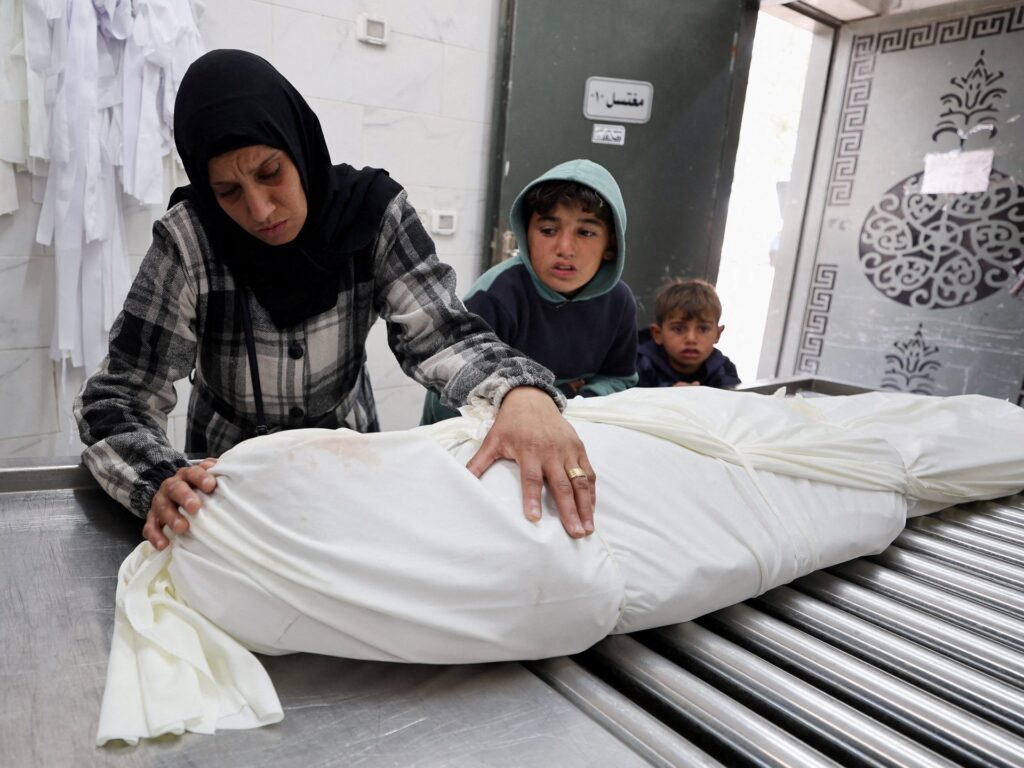
Former U.S. President Donald Trump has launched an initiative known as the ‘Board of Peace,’ aimed at rebuilding Gaza in the aftermath of conflict and facilitating regional stability. However, this initiative has encountered a lukewarm response from many European countries, especially the so-called ‘middle powers’ that traditionally play significant roles in international diplomacy and aid.
The ‘Board of Peace’ initiative is understood to be Trump’s attempt to position the U.S. as the principal mediator and architect of peace in the Middle East, particularly in the Gaza Strip, a region frequently affected by violence and humanitarian crises. While the effort ostensibly seeks to rebuild Gaza through economic assistance and infrastructure projects, geopolitical analysts suggest that it may also serve broader strategic objectives.
Central to the discussion is the question of whether Trump’s plan aims to curtail the influence of Europe’s middle powers—countries like Germany, France, Italy, and the Netherlands—that typically contribute to peace-building efforts in the Middle East. These nations have historically supported the United Nations and other multilateral efforts in addressing Gaza’s needs, which often emphasize diplomacy, human rights, and humanitarian aid.
Despite the importance of reconstruction, most European countries have either declined or expressed hesitation in accepting invitations to join the ‘Board of Peace.’ This reluctance stems from several factors: skepticism about the U.S.’ unilateral approach, concerns over the potential sidelining of established European roles, and doubts about the board’s long-term strategy and inclusiveness.
European middle powers have indicated that they prefer multilateral frameworks that include the UN, the European Union, and regional organizations, emphasizing collaborative decision-making rather than a single nation-led endeavor. Their decline to engage actively with the ‘Board of Peace’ highlights a disconnect between U.S. ambitions under Trump and the operational realities understood by European partners.
Moreover, the timing and political context of the initiative have raised questions about its motivations. Critics argue that rather than solely focusing on humanitarian reconstruction, the board might be a geopolitical tool designed to realign Middle Eastern alliances and diminish European influence in the region.
The initiative’s limited European involvement may also reflect concerns about accountability and transparency. European governments stress the importance of ensuring that aid and reconstruction efforts do not exacerbate existing conflicts or empower extremist groups. They call for safeguards and oversight mechanisms that align with international law and human rights standards.
In summary, Trump’s ‘Board of Peace’ seeks to play a prominent role in Gaza’s recovery, but many European middle powers remain cautious, preferring established multilateral channels. This divergence underscores ongoing tensions between U.S. unilateral approaches and Europe’s commitment to collective, inclusive peace-building strategies. The effectiveness of the ‘Board of Peace’ will likely depend on its ability to bridge these divides and gain broader international support.