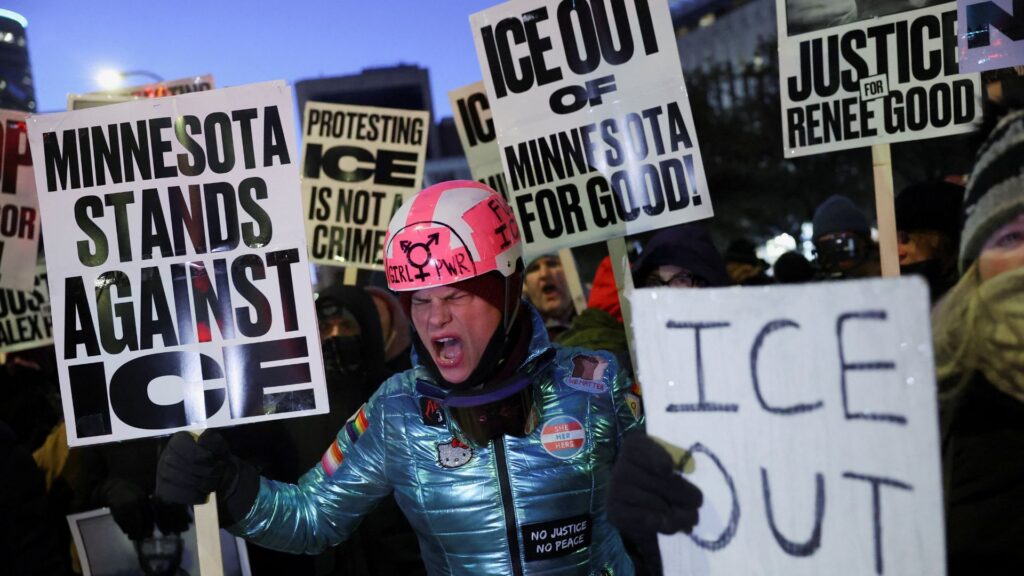
In the wake of the recent shooting of Alex Pretti in Minnesota, former US President Donald Trump has pledged to take steps to ‘de-escalate’ the ongoing crisis in the state. The incident has triggered widespread protests and heightened tensions across communities.
Addressing the nation, Trump emphasized the need for calm and constructive dialogue to prevent further unrest. He assured Minnesotans and Americans at large that efforts are underway to restore peace and address the root causes of the conflict.
While the situation remains fragile, Trump’s statement reflects his commitment to stabilizing the region amid escalating violence and public outcry. The shooting has once again put Minnesota in the spotlight regarding issues of law enforcement, community safety, and justice.
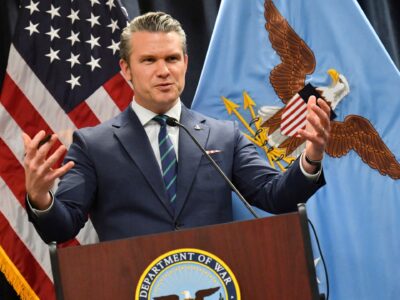
In addition to his promise on the crisis, Trump expressed continued confidence in Homeland Security Secretary Kristi Noem. This assertion comes amidst growing calls from various political groups and public figures demanding Noem’s resignation in response to her handling of the crisis and related security concerns.
Kristi Noem, a prominent figure in Homeland Security, has faced scrutiny over her strategies and public communications concerning the unrest. However, Trump’s support signifies alignment with her approach and a signal of political solidarity during a turbulent period.
The calls for Noem’s resignation stem from allegations that her measures have been inadequate or have exacerbated tensions rather than diffusing them. Advocates for her removal argue that new leadership is required to effectively manage security and restore public confidence.
Despite the criticisms, Noem has maintained her position and continues to oversee operations aimed at improving safety and responding to community needs. Her role is critical as federal and state agencies coordinate to limit violence and ensure justice.
The crisis’s roots, compounded by longstanding social and racial issues within Minnesota, highlight the complexity of resolving such conflicts. Community leaders, activists, and law enforcement officials are key stakeholders in ongoing discussions to find sustainable solutions.
Trump’s intervention, while welcomed by some, has been met with mixed reactions. Supporters laud his call for de-escalation and backing of Noem, whereas critics view it as politically motivated or insufficient in addressing systemic problems.
As the state navigates this challenging period, federal support and state actions will be crucial in shaping the outcome. The balance between security measures and community trust remains delicate.
Going forward, Minnesota will require collaborative efforts across government levels and civil society to heal divisions and build resilience against future crises.
The unfolding events continue to attract national attention, underscoring the importance of leadership, accountability, and respect for human rights in times of unrest. The path to peace may be difficult but is necessary for the well-being of all Minnesotans.