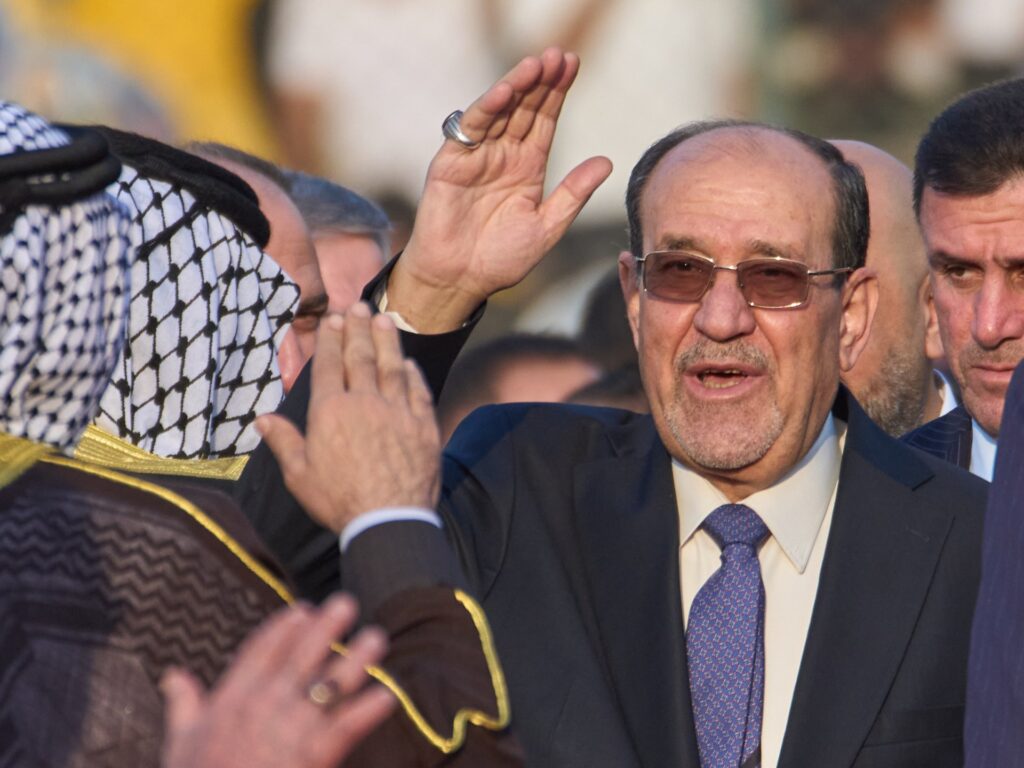
In a recent and significant political announcement, former U.S. President Donald Trump warned that the United States would cease its support for Iraq if the country’s largest Shia parliamentary bloc successfully reinstates Nouri al-Maliki as Prime Minister.
This statement comes amid rising tensions within Iraq’s political landscape, where Nouri al-Maliki, a divisive figure with a controversial tenure as Prime Minister, has been put forward once again as a candidate by the leading Shia political coalition. Al-Maliki previously served as Iraq’s Prime Minister from 2006 to 2014, a period marked by intense sectarian conflict and political strife.
The U.S. support to Iraq has historically been substantial, particularly in the realms of military aid, economic assistance, and diplomatic backing. However, al-Maliki’s previous administration faced criticism from various international observers and domestic groups for alleged authoritarian practices and a failure to foster inclusive governance.
Trump’s declaration highlights a critical juncture in U.S.-Iraqi relations. His opposition toward al-Maliki’s possible return stems from concerns that his leadership might exacerbate sectarian tensions and undermine efforts towards democratic reforms and stability.
The nomination by the largest Shia bloc showcases the complex power dynamics within Iraq’s fractured political system, where sectarian and ethnic affiliations heavily influence parliamentary decisions. This move is seen as a challenging test for Iraq’s future governance and the efficacy of its parliamentary democracy.
Analysts suggest that the U.S. response to this nomination could reshape Iraq’s international alliances and impact the broader geopolitical balance in the Middle East. Continued American military presence and aid have been pivotal in combating extremist threats and supporting Iraqi security forces.
The potential withholding of U.S. support raises important questions about Iraq’s ability to maintain stability and security, especially in a region plagued by ongoing conflicts and rivalries among regional powers.
Political observers are closely monitoring reactions from other international actors, including Iran and Russia, who have vested interests in Iraq’s internal affairs. Both countries may seek to fill any void left by declining American influence if al-Maliki assumes power.
Within Iraq, the public sentiment about al-Maliki remains mixed. Some supporters appreciate his stance on national security and his advocacy for a strong centralized government, while critics fear a regression to policies that might marginalize minority groups and fuel unrest.
The U.S. stance articulated by Trump also reflects broader American concerns about the direction of Iraqi governance and the fight against corruption and sectarianism. It underscores the importance the U.S. places on reform and inclusivity in Iraq’s political process.
This development adds a new layer of complexity to Iraq’s government formation process, which has been protracted and contentious following recent national elections.
As the situation evolves, stakeholders within Iraq and abroad remain vigilant about the outcomes of these political maneuvers. The nomination of al-Maliki and the consequential U.S. threat to withdraw support could lead to a diplomatic impasse or encourage negotiated settlements among diverse political factions.
Ultimately, the future relationship between the United States and Iraq may hinge on leadership choices and the ability of Iraqi politicians to balance internal pressures with external alliances. The international community is watching closely, aware that the stability of Iraq is crucial to regional security and ongoing counterterrorism efforts.
In conclusion, Trump’s statement acts as a potent warning and a call for serious consideration among Iraq’s political actors about the possible repercussions of their choices. Whether al-Maliki becomes Prime Minister again or not, this episode underscores the fragile nature of Iraq’s political environment and the far-reaching impact of leadership decisions on international partnerships.