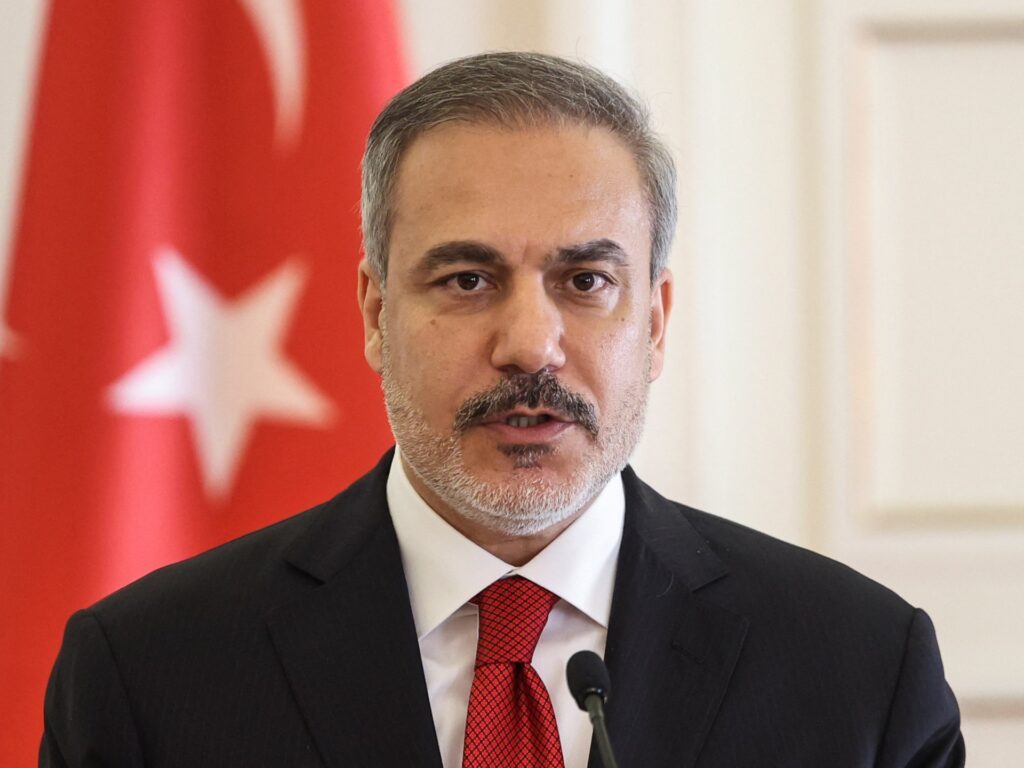
In the midst of escalating tensions between the United States and Iran, Turkiye’s Foreign Minister has stepped forward with a significant statement regarding the potential for dialogue and negotiation. Addressing the international community through a notable interview with Al Jazeera, the top Turkish diplomat emphasized that Iran is prepared to engage in negotiations, signaling a possible avenue for de-escalation in the conflict-prone region.
The Turkish Foreign Minister warned strongly against any military action by the United States toward Iran, underscoring the ramifications of renewed hostilities. “It’s wrong to start the war again,” he stated, reflecting a sentiment shared by many international observers concerned about the potential for expanded conflict.
Turkiye has historically played a crucial role as a mediator and bridge-builder in Middle Eastern geopolitics, and this latest intervention comes at a critical juncture when the stakes are particularly high. The region has already experienced prolonged instability, and the prospect of renewed war between these powers raises fears of widespread repercussions.
Iran’s readiness to negotiate, as conveyed by the Turkish official, offers a glimmer of hope for diplomatic resolution. Previous efforts at dialogue have often been overshadowed by mutual distrust and conflicting agendas; however, the mutual willingness to return to the negotiating table could pave the way for dialogues aimed at addressing core issues and reducing tensions.
The Turkish Foreign Minister’s remarks highlight the urgent need for restraint and dialogue in a time of growing anxieties. He cautioned that military escalation would not only exacerbate the existing conflict but also destabilize the broader Middle East, impacting global peace and security.
Given Turkiye’s unique positioning and diplomatic leverage, its call for peace and negotiation reinforces the necessity for international actors to prioritize diplomatic channels over military confrontation. The situation demands thoughtful engagement, respect for sovereign rights, and a commitment to peaceful resolution.
As regional players and global powers watch closely, the international community’s response to these developments could determine the trajectory of peace in the Middle East. The Turkish diplomat’s candid warning serves as a reminder that war should not be rekindled and that constructive dialogue remains the best path forward.