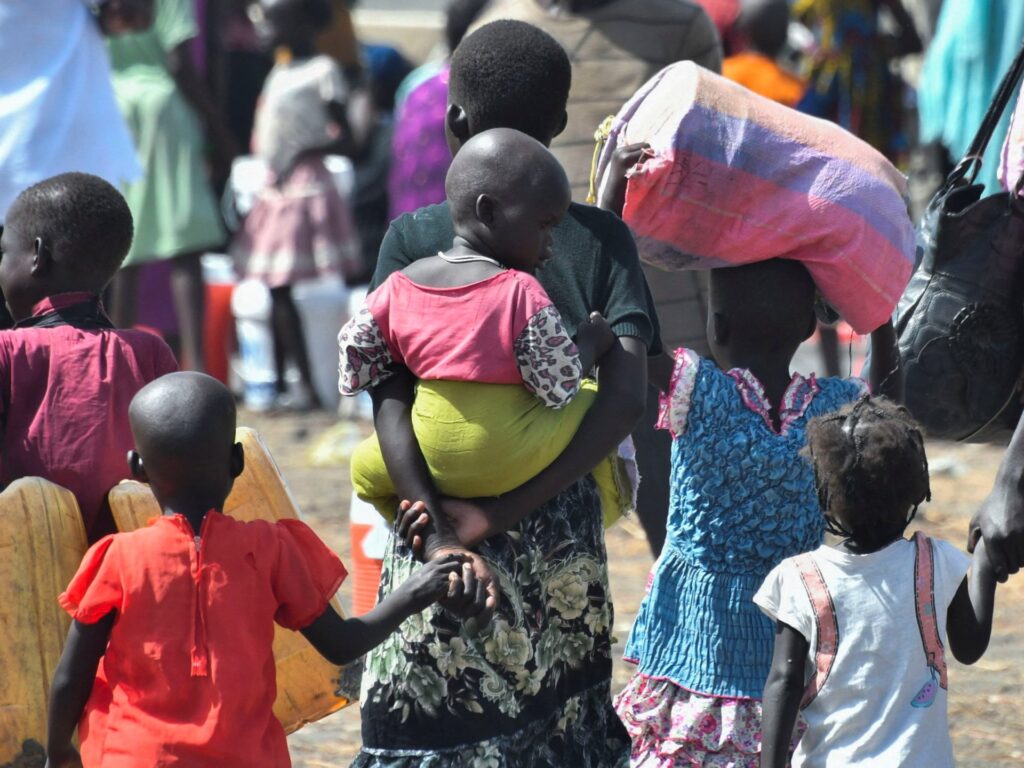
Sudan is currently grappling with one of the most severe displacement crises in recent history, with approximately 14 million people uprooted from their homes due to ongoing conflict and instability. The nation’s humanitarian situation has reached critical levels as this mass displacement compounds the already fragile social and economic structures in place.
Despite the persistent dangers and widespread destruction, there is a notable but fragile trend emerging: some displaced Sudanese are beginning to consider returning to their homes, particularly in the capital city, Khartoum. However, these homes often lie in ruins, presenting immense challenges to those hoping to rebuild their lives from the rubble.
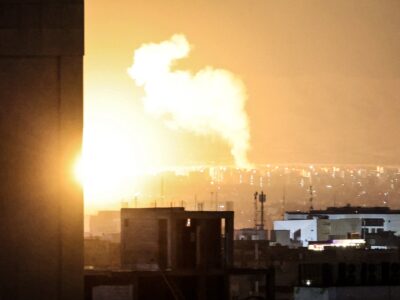
The conflict that has driven this crisis has left entire neighborhoods in Khartoum and other regions devastated. Infrastructure has been severely damaged or destroyed, and many basic services remain unavailable or unreliable. This destruction not only hampers immediate survival but also stifles the long-term prospects for recovery and development.
International humanitarian organizations have been working tirelessly to provide relief to displaced populations. These efforts include emergency shelter, food aid, medical services, and psychosocial support. Nonetheless, the scale of displacement often overwhelms available resources, leaving many vulnerable populations inadequately supported.
The decision for displaced individuals and families to return home is influenced by various factors. For some, the pull of familiar surroundings and communities is strong, despite the dangers and hardships. For others, returning is driven by the need to reclaim livelihoods or to restore some sense of normalcy amid a protracted crisis.
However, the trend toward return is tentative and fraught with uncertainty. Many returnees face the daunting task of rebuilding not just their homes, but their communities and local economies. Additionally, security concerns remain paramount; ongoing violence in certain areas threatens any durable peace.
The government of Sudan, alongside international partners, faces the enormous challenge of facilitating safe and sustainable returns. This includes clearing debris, restoring essential services, ensuring security, and supporting livelihoods and housing reconstruction.
Experts warn that without a comprehensive peace process and substantial investment in reconstruction and development, the cycle of displacement could continue, exacerbating an already dire humanitarian situation.
As Sudan confronts this complex displacement crisis, the resilience of its people stands out. Many displaced individuals dream of returning to their ancestral homes, despite the ruins. Their determination underscores the urgent need for coordinated efforts to support recovery and peacebuilding in the country.
In conclusion, Sudan is at a critical juncture. The ongoing displacement crisis has displaced millions, but a fragile hope emerges with some returning to Khartoum and other areas. Meeting the needs of these returnees, rebuilding communities, and restoring peace will require sustained commitment from both national leaders and the international community to prevent further suffering and to foster a more stable future for Sudan.