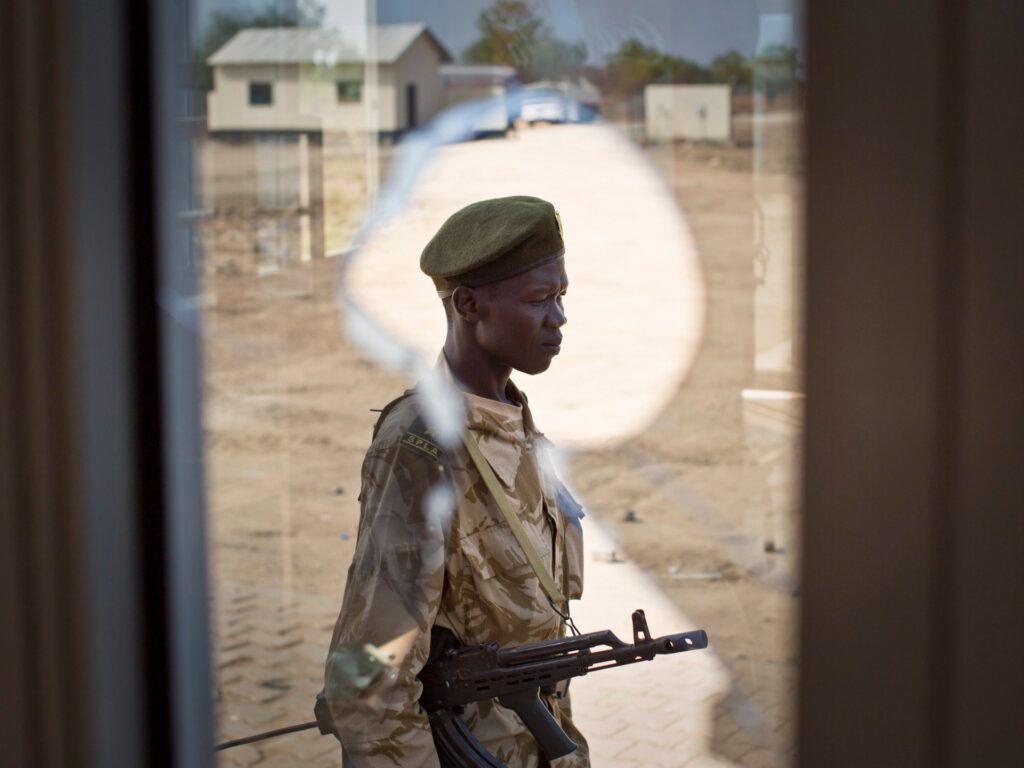
South Sudan has initiated a significant military offensive against opposition forces, escalating the long-standing conflict that has plagued the country. The operation, launched in key areas including the volatile Jonglei state, marks a critical development in the civil unrest that has destabilized the region for years.
The offensive aims to suppress opposition factions that have been reportedly regrouping and posing threats to the government’s authority. This move comes amid ongoing peace efforts and international calls for dialogue, highlighting the fragility of the political situation in the young nation.
Compounding the gravity of the conflict are alarming reports that have surfaced regarding the conduct of military personnel. A senior military leader in South Sudan has been accused of urging troops to commit acts of violence against civilians in Jonglei, a region that has already suffered immensely from previous conflicts and ethnic strife.
The United Nations has issued stark warnings about the potential for mass violence if these reports are substantiated. The UN’s concern centers on the risk of widespread atrocities and a humanitarian crisis, emphasizing the urgent need for international attention and intervention to prevent further bloodshed.
Jonglei state, known for its ethnic diversity and volatility, has been a flashpoint in South Sudan’s civil war. The region has witnessed cycles of revenge attacks and community clashes, severely impacting civilian populations. The recent allegations of calls for violence exacerbate fears of an intensification of these conflicts.
The international community has responded with calls for restraint from all parties involved. Diplomatic efforts are being renewed to encourage a peaceful resolution, with peacekeepers on high alert to protect civilians and facilitate humanitarian aid delivery.
Experts note that the offensive and the associated risks of civilian harm underscore the fragile nature of peace and security in South Sudan. The nation, which gained independence in 2011, continues to struggle with internal divisions and the challenge of building stable governance structures.
Human rights organizations have also condemned the reported incitement to violence, urging South Sudanese authorities to investigate allegations thoroughly and hold accountable those responsible for any orders or actions that violate international law.
The conflict and its escalation highlight the complexity of South Sudan’s political landscape, where ethnic, political, and economic factors intertwine, often with devastating consequences for ordinary citizens.
The United Nations and other international bodies are closely monitoring the situation, advocating for accelerated peace talks and sustained international support to mitigate the unfolding crisis.
As South Sudan faces this critical juncture, the focus remains on preventing further loss of life, protecting vulnerable populations, and supporting long-term efforts toward national reconciliation and peace-building.