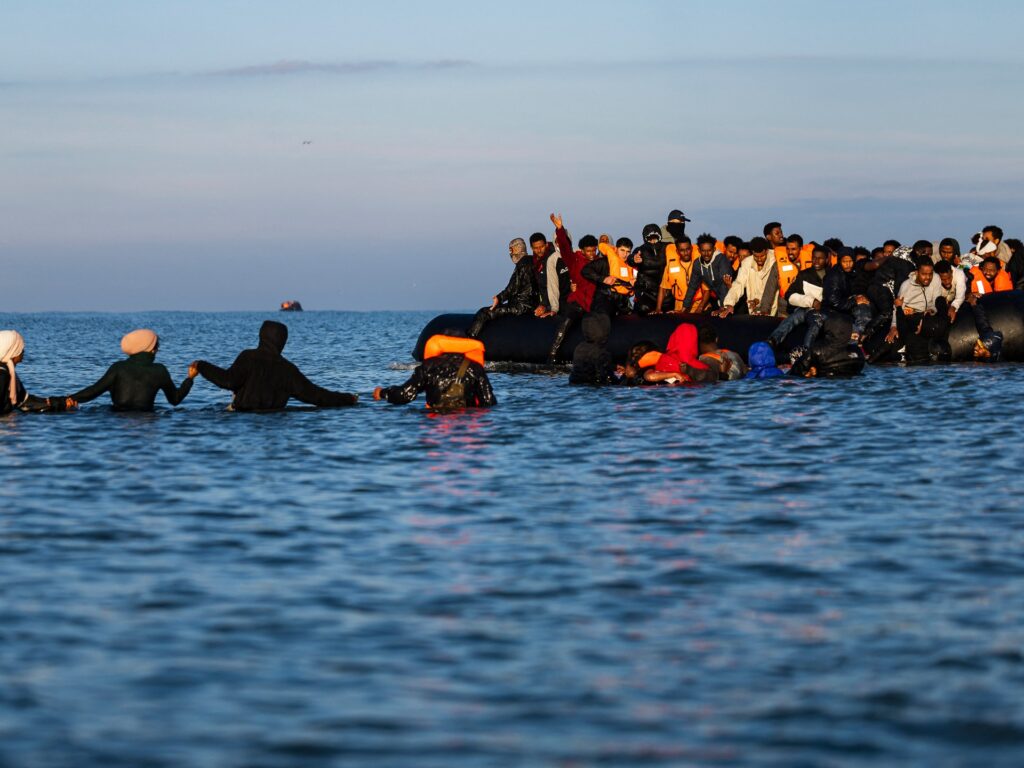
In a significant development in international relations and immigration policy, Rwanda has initiated legal action against the United Kingdom concerning a scrapped asylum seeker deal. The dispute revolves around an asylum partnership agreement between the two nations, which was designed to manage and resettle asylum seekers more effectively.
The controversy began when the UK decided to abandon the agreement, prompting Rwanda to commence inter-state arbitration proceedings against the UK in November. This arbitration is a formal process designed to resolve disputes between states outside the courts, often used to settle complex international agreements such as this.
The asylum partnership agreement was a groundbreaking initiative aimed at addressing the growing challenges posed by migration and asylum seeker flows into the UK. Under the deal, asylum seekers attempting to reach the UK could potentially be relocated to Rwanda, where their cases would be processed. The UK government viewed this as a way to deter dangerous and illegal crossings, while Rwanda saw it as an opportunity for economic and international cooperation benefits.
However, the UK’s decision to scrap the deal sparked a diplomatic rift. The UK government cited various concerns, including legal and ethical questions, practical challenges in implementation, and public opposition. Critics argued that the policy failed to protect the rights and welfare of asylum seekers adequately.
Rwanda’s decision to pursue arbitration underscores the seriousness of the dispute and the financial and diplomatic stakes involved. The arbitration process will likely focus on whether the UK breached contractual obligations under the agreement and what remedies or compensations might be due to Rwanda.
This case highlights the complexity of asylum policies and international partnerships created to tackle global migration issues. It also reflects the growing tensions between countries trying to balance sovereign rights, humanitarian responsibilities, and domestic political pressures.
The outcome of the arbitration could set important precedents for future international agreements involving migration and asylum, affecting how countries negotiate and enforce such deals.
As negotiations and legal processes continue, the international community is watching closely. This dispute between Rwanda and the UK is emblematic of wider challenges faced worldwide in managing migration flows humanely and effectively, while respecting international law and human rights standards.
The evolving situation calls for renewed dialogue and cooperation between nations to find sustainable solutions that balance security, sovereignty, and compassion.