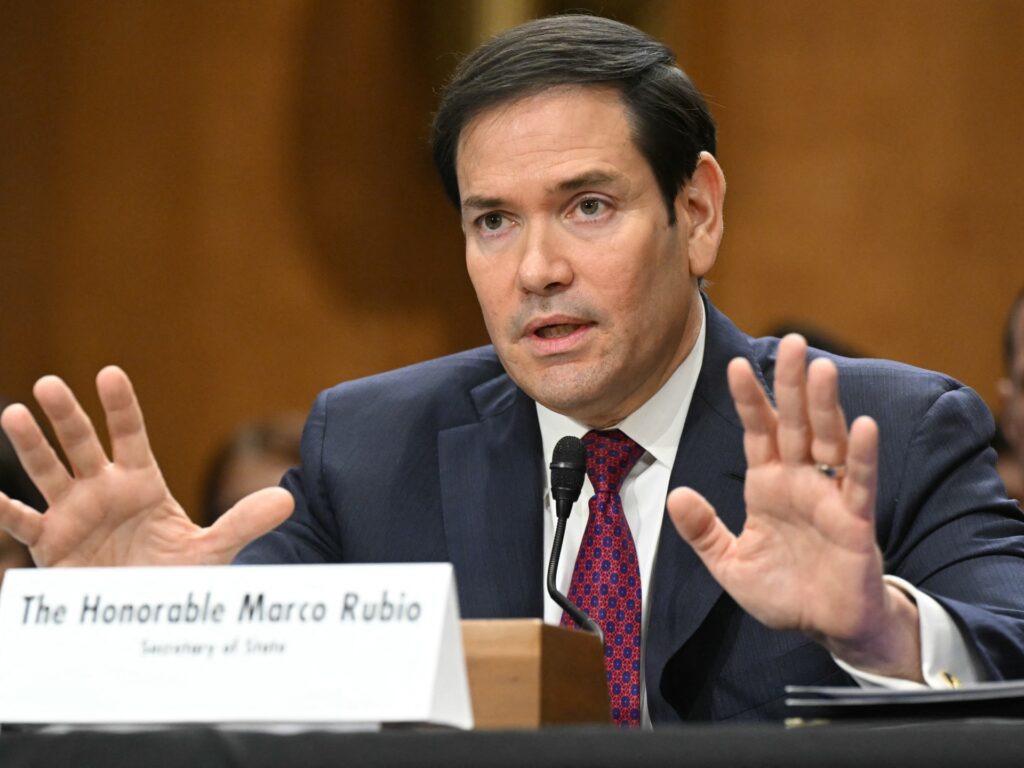
During a recent Senate hearing, Senator Marco Rubio provided testimony regarding the alleged abduction of Venezuela’s President Nicolás Maduro. Rubio, a prominent US lawmaker known for his strong stance on Latin American issues, emphasized the ‘strategic’ significance of the operation during his speech.
The testimony highlighted the complexities surrounding the situation in Venezuela, where political instability and humanitarian crises have persisted for years. Rubio underscored the importance of the move from a security and geopolitical perspective, framing it as a vital step against Maduro’s regime.
However, the hearing drew attention due to the scant mention of international law considerations. Critics noted that the testimony largely focused on the purported benefits and strategic outcomes of the abduction, with limited discussion on the legal implications of such an act under international norms.
Rubio’s remarks pointed to the broader US foreign policy approach in the region, which often involves contentious tactics designed to influence or destabilize authoritarian governments. The hearing served as a platform to justify the measures taken against Maduro, reflecting the administration’s stance on regime change.
Observers noted that Rubio’s testimony plays into a larger narrative aimed at garnering support for increased US involvement in Venezuela’s political affairs. The abduction, seen by some as a breach of sovereignty, remains a controversial topic within diplomatic circles.
The Senate discussion also hinted at potential future operations in Latin America aimed at combating governments considered hostile to US interests. Rubio’s framing of the abduction as ‘strategic’ suggests continued prioritization of aggressive tactics in American foreign policy in the region.
Despite international law’s marginal mention, the debate raises important questions about the legality and morality of covert operations involving foreign heads of state. It remains to be seen how these actions will influence US relations with Latin American countries and the global community.
In summary, Rubio’s testimony before the US Senate brought to light the contentious issue of Maduro’s abduction, emphasizing its strategic importance while downplaying the international legal repercussions. The hearing reflects ongoing US policy challenges in addressing authoritarian regimes and underscores the complex interplay between law, strategy, and diplomacy in contemporary international relations.