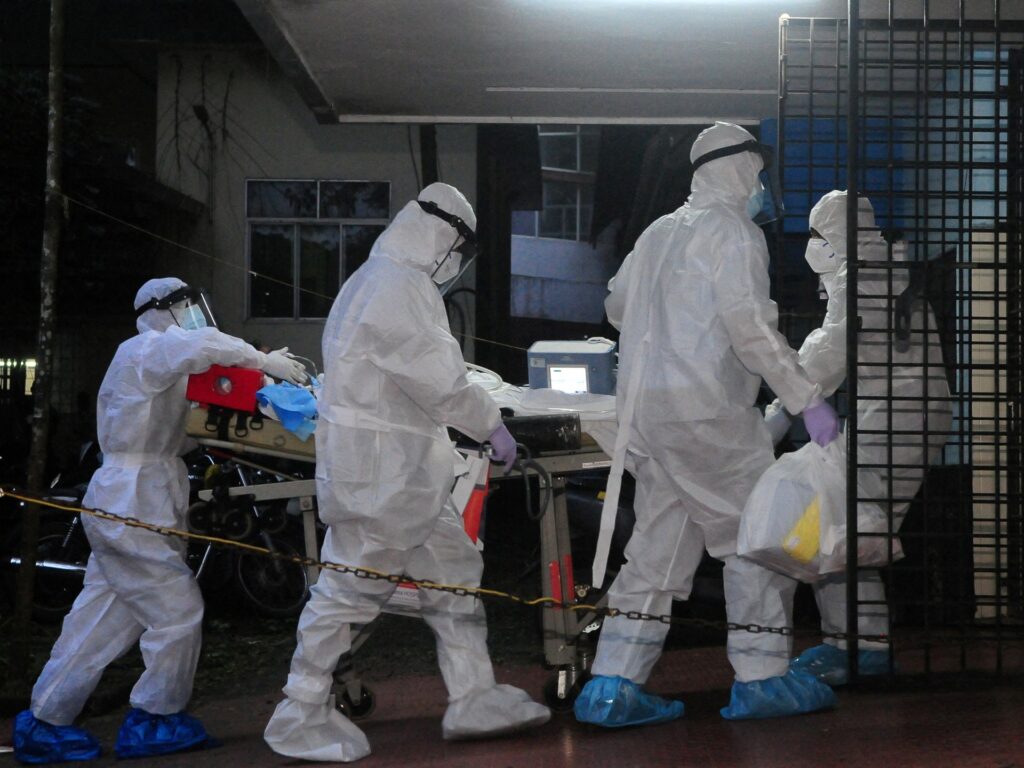
India has officially declared the Nipah virus outbreak as contained, bringing some relief to the region after a period of heightened concern. The announcement comes after health authorities confirmed that no new cases have been detected for the required monitoring period, indicating that the outbreak has been successfully controlled.
The Nipah virus, known for its high fatality rate and potential to cause severe respiratory and neurological illnesses, initially sparked alarm in several parts of India. The outbreak prompted immediate response actions from health officials, including isolation of patients, rigorous contact tracing, and public health awareness campaigns to prevent further spread.
Despite India’s declaration, the situation remains under close observation as several Asian countries have tightened screening measures at their borders, particularly for travelers arriving from India. Countries like Singapore, Malaysia, and Thailand have implemented temperature checks, health declarations, and other screening procedures at airports and land crossings to detect any potential cases early.
New Delhi, in an effort to calm rising fears and prevent stigma, has urged regional neighbors and the global community to avoid unnecessary alarm. Officials have highlighted the robust containment measures and the positive trajectory of the outbreak’s resolution.
The World Health Organization (WHO) has commended India’s prompt and effective response, noting that the containment serves as a crucial example of managing zoonotic disease outbreaks, which can have severe public health implications if not swiftly addressed.
Despite these assurances, health experts warn that vigilance must be maintained. The Nipah virus is transmitted from animals to humans and can spread via direct contact with infected individuals or contaminated materials. Fruit bats are known natural reservoirs of the virus, and outbreak origins are typically traced back to close proximity with these animals or their droppings.
In affected regions, veterinary and wildlife personnel have increased surveillance to monitor bat populations and minimize human exposure risks. Public health education continues to emphasize avoiding consumption of raw date palm sap, which has been linked to Nipah transmission in previous outbreaks.
Economic and social disruptions caused by the outbreak’s initial surge have prompted governments to support affected communities, ensuring access to healthcare and social support.
The international community has expressed solidarity with India, offering technical assistance and resources to aid in continued surveillance and preparedness efforts. Emphasis remains on strengthening health systems to detect and respond quickly to any future occurrences.
This proactive and collaborative approach highlights the importance of regional cooperation in managing infectious diseases, especially those with pandemic potential.
As India transitions from containment to vigilance, the emphasis is on sustaining preparedness mechanisms, reinforcing health infrastructure, and maintaining public trust through transparent communication.
Residents in the affected areas are advised to adhere strictly to health advisories and report any suspicious symptoms immediately. Continued research into Nipah virus treatment and vaccine development remains a priority for scientists worldwide.
The recent containment success marks a significant milestone, but it also serves as a reminder of the continuing threat posed by emerging infectious diseases in a globally interconnected world. Regional and global health authorities remain on alert to prevent further spread and protect public health.