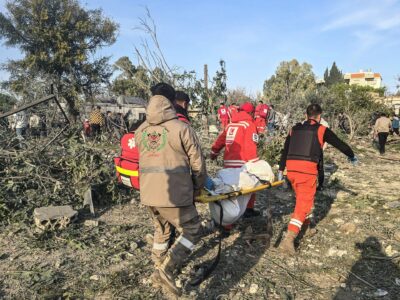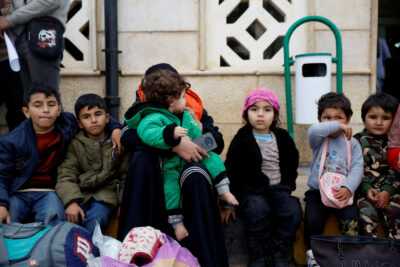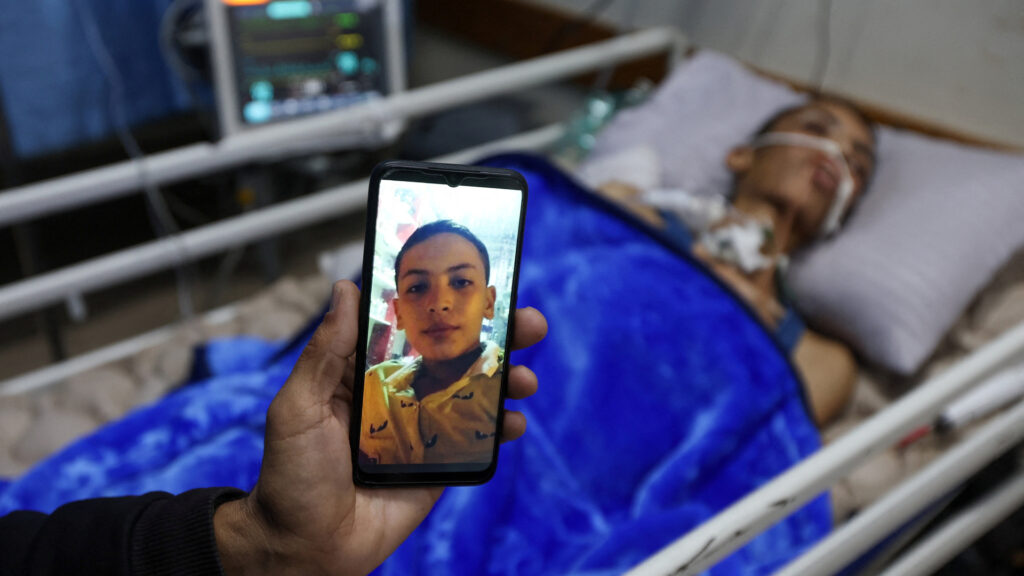
Palestinian patients in the Gaza Strip are expressing hope and anticipation for the reopening of the Rafah border crossing with Egypt. This border gate, which serves as a vital lifeline for many residents, is particularly crucial for those seeking advanced medical treatment unavailable within Gaza’s limited healthcare facilities.
The Rafah border has long been a key passage for Palestinians needing urgent medical care abroad, as well as for humanitarian aid shipments. Currently, the crossing remains closed, restricting the movement of patients and their families, thereby exacerbating the already critical health situations faced by many.
Healthcare professionals and human rights organizations have repeatedly called on authorities to facilitate the reopening of the Rafah crossing. They emphasize that timely access to specialized medical services is essential to save lives and prevent further deterioration of patients’ health.
Patients suffering from chronic diseases, cancer, and critical injuries are among those most affected by the closure. Many have reported worsening conditions due to delays in receiving necessary treatments, diagnostics, or surgeries.
Families are also enduring significant emotional and financial burdens, as they navigate the challenges caused by limited access to medical resources and travel restrictions imposed by the closed border.
Despite these difficulties, many remain hopeful that diplomatic efforts and humanitarian considerations will soon lead to the reopening of the Rafah border. They emphasize the importance of swift action to address the severe healthcare needs of Gaza’s population.
The Rafah crossing is not only a medical conduit but also a symbol of connection and relief for Palestinians in Gaza, who have endured long periods of blockade and isolation. The reopening represents more than just passage; it is a critical step toward improving health outcomes and restoring some normalcy amid ongoing hardships.
International organizations continue to monitor the situation closely, advocating for the safe and sustained operation of border crossings to ensure Gaza’s vulnerable populations can access medical care outside the enclave.
In summary, the reopening of the Rafah border with Egypt is eagerly awaited by Palestinian patients who rely on this crossing for essential medical treatment. The reopening is anticipated to bring relief, hope, and potentially life-saving care to many in urgent need within Gaza.