Oxfam, the international charity founded in the UK, has taken a firm stance against Israel’s recent demand for details about its Palestinian staff working in Gaza. The charity has decided not to comply with the request, citing concerns that such data could potentially be used to target aid workers and hamper humanitarian efforts in the region.
The demand from Israel comes amid heightened tensions and ongoing conflict in Gaza. Israeli authorities have expressed a desire for increased oversight of aid organizations operating in the area, suggesting that access to staff information could help ensure security and accountability.
However, humanitarian observers and human rights advocates have voiced deep apprehension about the implications of sharing personal data of aid workers. They warn that this could lead to targeted harassment, intimidation, or worse, offenses against those attempting to provide essential aid in one of the most volatile regions in the world.
Oxfam’s refusal highlights the broader challenges faced by international aid organizations operating in conflict zones. These organizations must navigate complex political landscapes that can jeopardize their operations and the safety of their personnel.
By withholding staff information, Oxfam aims to protect its employees and maintain the integrity and neutrality essential for delivering humanitarian assistance. The charity’s leadership argues that compromising on these principles could undermine their mission and risk lives.
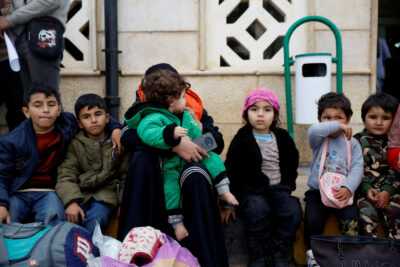
This decision comes at a time when Gaza’s population is in urgent need of aid, including food, medical supplies, and shelter. The assistance provided by organizations like Oxfam is critical amidst infrastructure damage and restricted access due to conflict.
Experts note that the enforcement of such demanding policies by states like Israel can set troubling precedents, potentially curtailing the independence of aid organizations globally. This could complicate relief operations in other contested or unstable regions.
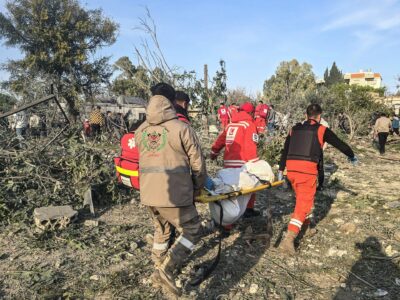
Meanwhile, aid workers in Gaza continue to perform their duties under challenging and dangerous conditions. The refusal to disclose staff details is seen by many in the humanitarian community as a necessary measure to safeguard the welfare of these personnel.
As the situation develops, the international community watches closely. The balance between security concerns and the imperative to deliver unbiased humanitarian aid remains a contentious issue, with Oxfam’s stance serving as a critical symbol of resistance to perceived overreach and protection of humanitarian principles.
Ultimately, this episode underscores the difficult ethical and operational dilemmas faced by charities in conflict zones, highlighting the ongoing need for dialogue, protection of aid workers, and respect for humanitarian norms amid political and military unrest.