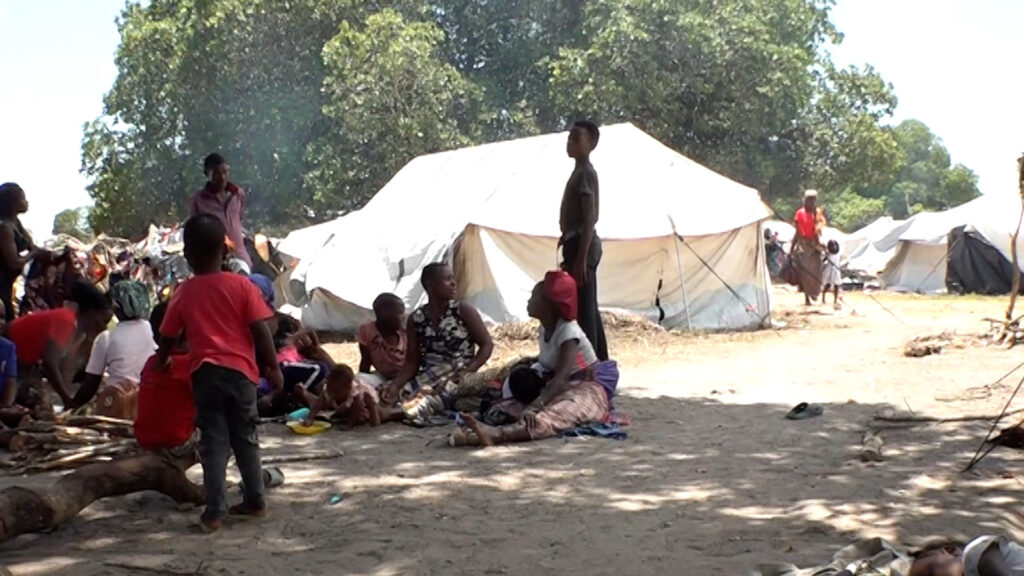
Severe flooding in southern Mozambique has compelled thousands of families to abandon their homes and seek refuge in informal displacement camps. Following intense rainfall and the overflow of local rivers, many regions experienced widespread inundation, severely damaging infrastructure and homes. The affected populations now face dire conditions as basic amenities such as clean water, food, and medical supplies are scarce in the makeshift camps.
Local authorities and humanitarian organizations have mobilized to provide emergency assistance, yet the scale of displacement and destruction poses significant challenges. The floods have not only caused immediate physical harm but are also raising fears of potential outbreaks of waterborne diseases in the overcrowded camps.
Residents recount harrowing experiences of being forced out of their homes, often with very little warning. The flooding has destroyed crops and livestock, impacting food security and livelihoods in an already vulnerable region. Efforts to rebuild and provide long-term support are underway, but the recovery process is expected to be prolonged.
Experts highlight the increasing frequency of extreme weather events linked to climate change, urging for enhanced disaster preparedness and resilient infrastructure. The Mozambique floods underline the urgent need for coordinated action to mitigate the effects of such natural disasters and support affected communities effectively.
Humanitarian groups call for increased international aid to address the ongoing crisis and prevent further deterioration of living conditions for displaced families. Meanwhile, displaced individuals continue to cope with uncertainty, hoping for swift relief and the restoration of their homes in the coming months.