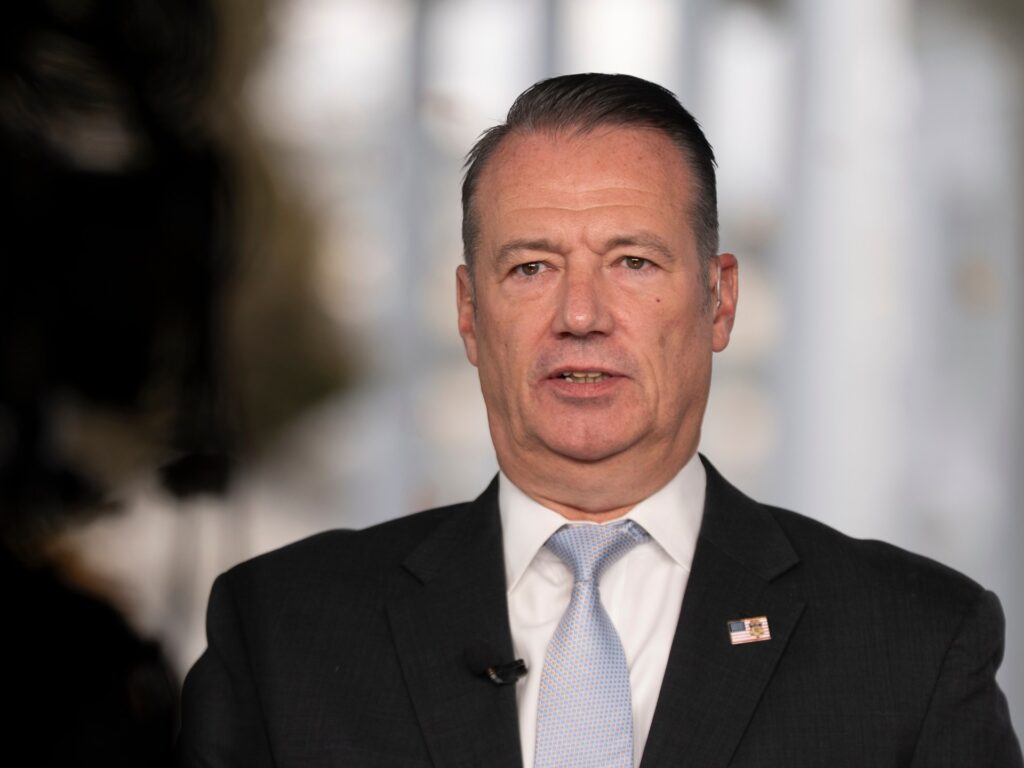
In a significant legal development, a Minnesota judge has issued an order compelling the head of the U.S. Immigration and Customs Enforcement (ICE) agency to appear in court. The directive requires the ICE chief to provide an explanation regarding the agency’s management and handling of bond hearings for immigrants who have been detained.
This judicial order underscores growing concerns about the procedural aspects and fairness of immigration bond hearings conducted by ICE. Bond hearings are crucial legal proceedings where detained immigrants have the opportunity to request release from custody while awaiting their immigration cases. The judge’s intervention suggests scrutiny over whether these hearings are being conducted properly and in accordance with legal standards.
Immigration detention and bond hearings have been a contentious topic in the United States, with numerous activists, legal experts, and immigrant communities advocating for more transparent and humane treatment. Critics argue that the lack of clear procedures and inconsistency in bond hearings often lead to unjust prolonged detention.
The court’s demand for the ICE chief’s presence highlights the judicial system’s role in ensuring accountability within immigration enforcement agencies. It may also indicate concerns about potential systemic issues affecting the rights of detainees during bond hearings.
While the specific details of the judge’s order have not been fully disclosed, the legal mandate emphasizes the importance of oversight and the need for clear communication from ICE regarding its practices. The outcome of this court appearance could have significant implications for immigration enforcement policy and detainee rights across the country.
This order adds to a series of recent judicial actions addressing immigration detention practices amid ongoing debates about immigration reform and enforcement priorities in the United States. Stakeholders across various sectors are closely monitoring the situation, recognizing that the case could influence future procedural standards and enforcement approaches by ICE.
As the ICE chief prepares to respond in court, the proceedings will likely provide more insights into the agency’s current protocols and any planned changes to how bond hearings are conducted. For immigrant communities and advocates, the judge’s ruling represents a step toward increased transparency and fairness in immigration detention proceedings.
Overall, this development reflects the continuing tension between immigration enforcement and the protection of detainees’ legal rights, signaling the judiciary’s active role in addressing these complex challenges.