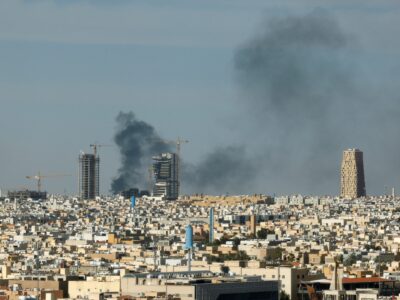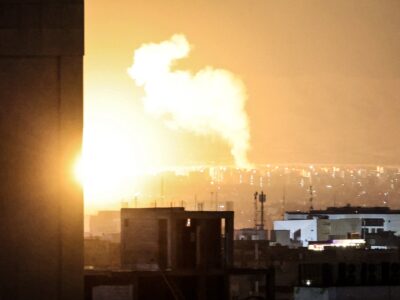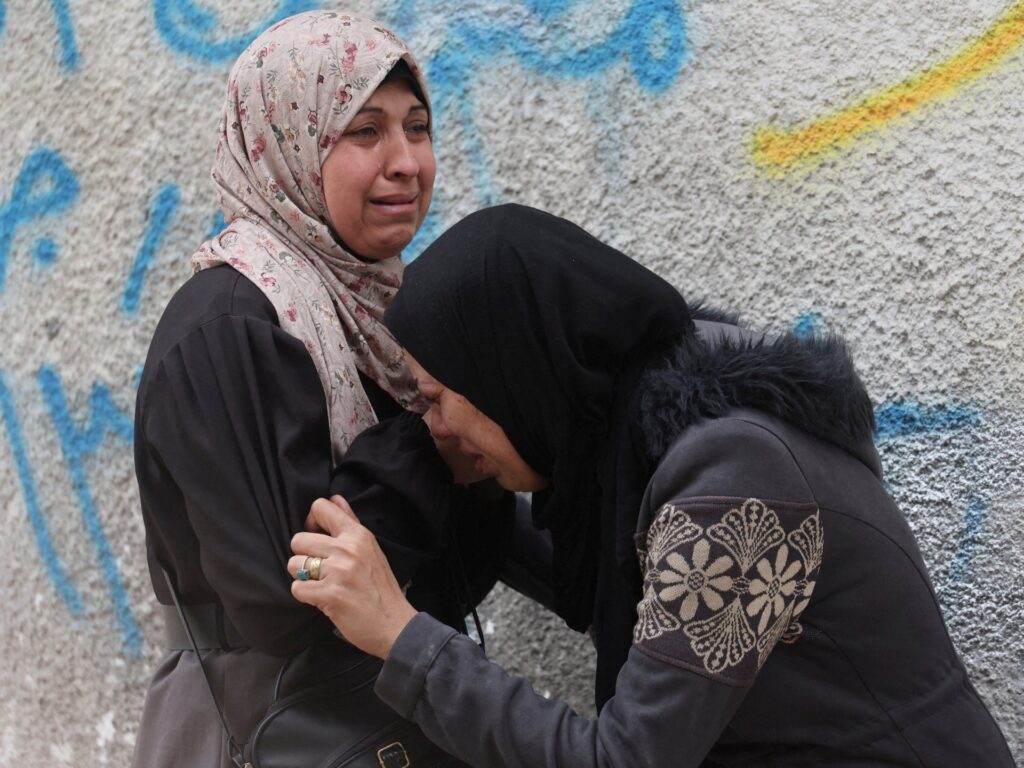
The Gaza Strip is once again under heavy Israeli fire, intensifying the humanitarian crisis faced by its residents. The ongoing conflict has left Palestinians in a state of desperation, with many urgently seeking supplies to survive the deteriorating conditions. The Rafah crossing, a critical passageway for goods and humanitarian aid, remains largely closed, exacerbating the plight of the population. To compound matters, the United Nations has issued warnings highlighting the severe suffering caused by the prolonged closures, calling for immediate action to alleviate the crisis.
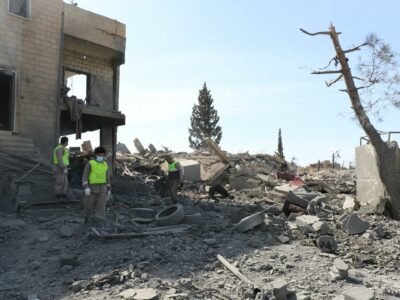
Since the escalation began, Gaza has experienced relentless airstrikes and military operations, causing widespread destruction and loss of life. Infrastructure, including homes, hospitals, and schools, has been damaged or destroyed, severely limiting access to essential services.
The Rafah crossing, situated on the border between Gaza and Egypt, serves as a vital lifeline for Palestinians. It allows the entry of food, medical supplies, and other necessities that are often restricted due to blockades and security concerns. However, the crossing has faced frequent closures, often for extended periods, leading to critical shortages.
Rescue and aid organizations on the ground report that the lack of supplies is putting an unprecedented strain on Gaza’s residents. Many families face shortages of clean water, medical care, and food, raising fears of a worsening humanitarian disaster.
The UN and multiple international agencies have called for the reopening of the Rafah crossing to ensure that humanitarian aid can reach those in need without delay. They emphasize the importance of protecting civilians and ensuring their access to essential services during times of conflict.
In response, Israeli officials cite security concerns as reasons for the continued restrictions, emphasizing the need to prevent the movement of militants and weapons. However, the international community remains focused on balancing these security concerns with humanitarian imperatives.
The situation in Gaza continues to be volatile, with ongoing violence and political tensions hindering diplomatic efforts toward peace. Civilians remain caught in the crossfire, bearing the brunt of the conflict’s consequences.
As the crisis unfolds, the global community watches closely, urging all parties to prioritize humanitarian relief and protect vulnerable populations. The reopening of the Rafah crossing could provide a critical lifeline to Palestinians who have endured prolonged suffering under the blockade and ongoing hostilities.
In summary, Gaza’s residents face an urgent humanitarian emergency fueled by Israeli fire, prolonged closures of the Rafah crossing, and widespread shortages of essential supplies. With the UN sounding alarms, the need for swift action to open borders and facilitate aid delivery is more critical than ever. The coming days will be pivotal in determining the humanitarian trajectory for Gaza’s beleaguered population.