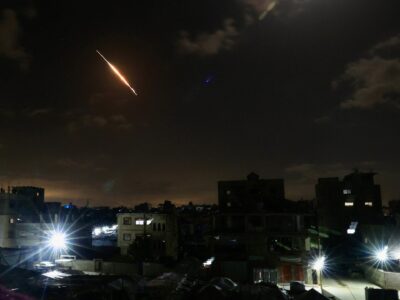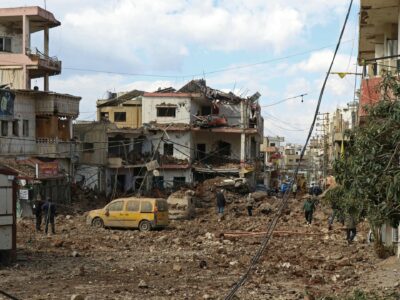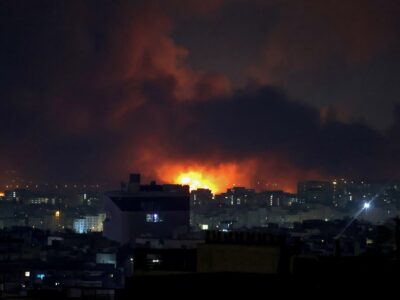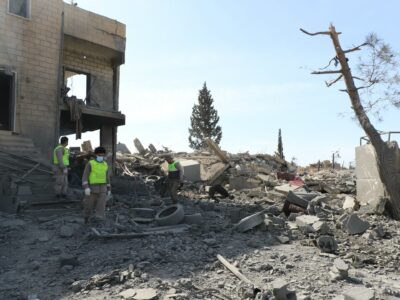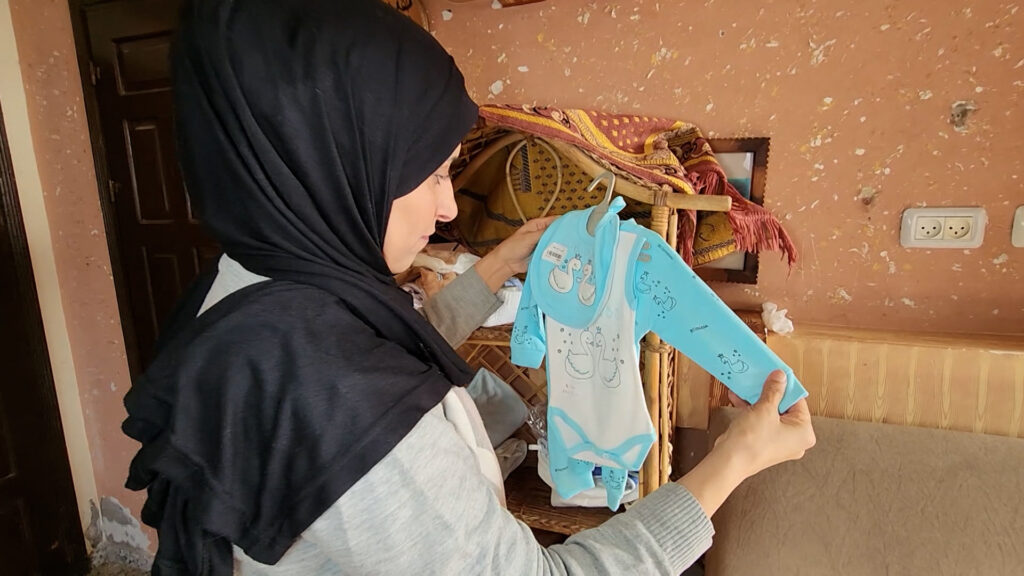
The recent Israeli military campaign in Gaza has resulted in devastating consequences for Palestinian families, particularly impacting their hopes of parenthood. Among the casualties of the conflict are several fertility clinics, which have been destroyed or severely damaged by Israeli airstrikes and ground operations. This has left thousands of Palestinians mourning not only for the loss of lives but also for the unborn children they hoped to bring into the world.
Fertility clinics in Gaza have long been essential for couples facing infertility challenges in a region where access to advanced medical treatments is limited. These clinics provide crucial services such as in vitro fertilization (IVF), hormone therapies, and other reproductive health support. Their destruction has disrupted these vital services, forcing many couples to lose their chance at conceiving naturally or through assisted reproductive technologies.
The obliteration of these facilities is more than just a loss of medical infrastructure; it represents a profound blow to the social fabric of Gaza. Parenthood holds significant cultural and familial importance across Palestinian society, and the ability to have children is tied closely to one’s identity and future aspirations. The destruction of fertility clinics has, therefore, erased the dreams of many who long to start or expand their families.
Healthcare workers and specialists have reported the tragic consequences of the damage. Many have been displaced, and others have lost access to the equipment and medicines necessary for fertility treatments. This has led to delays and cancellations of countless procedures, compounding the emotional and psychological distress experienced by patients.
The impact extends beyond the immediate medical implications. Fertility issues and the inability to seek treatment can exacerbate mental health challenges, contributing to increased rates of depression and anxiety among couples affected by infertility. The loss of clinics also limits educational outreach and preventative care related to reproductive health, which may have long-lasting effects on community wellbeing.
International health organizations have condemned the destruction of medical facilities in Gaza, emphasizing that reproductive health services are a critical part of healthcare that must be preserved even during conflicts. The loss of these clinics underscores the broader humanitarian toll of the conflict and has sparked calls for immediate measures to restore and protect healthcare services in the region.
In the meantime, many Palestinians continue to grieve their lost futures and the profound uncertainty regarding their ability to have children. The physical destruction wrought by conflict has translated into a silent crisis of hope and identity for countless families. Restoring fertility services in Gaza is not just a medical necessity but a key to rebuilding the social and emotional foundations of a community scarred by war.
Efforts to rebuild are underway, spearheaded by local health authorities and international partners, but the road to recovery remains uncertain amid ongoing instability. The destruction of Gaza’s fertility clinics is a stark reminder of how war impacts lives in ways that extend far beyond the battlefield, disrupting fundamental human experiences and aspirations.
In conclusion, the destruction of fertility clinics in Gaza due to Israeli military action has devastated the dreams of parenthood for many Palestinians. This loss has profound medical, psychological, and social repercussions that highlight the urgent need for peace, healing, and the restoration of critical healthcare infrastructure in the region.