Africa is currently facing unprecedented climate challenges, with severe drought conditions plaguing the eastern regions and catastrophic flooding devastating the southern parts of the continent. This grim combination of extreme weather events exemplifies the harsh realities of the ongoing climate crisis and its disproportionate impact on vulnerable communities.
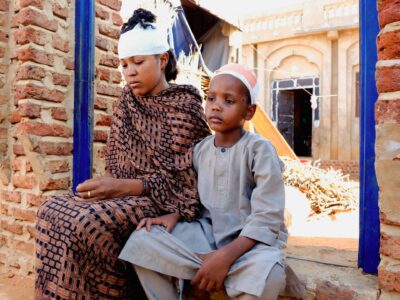
In the East, countries such as Ethiopia, Kenya, and Somalia are grappling with some of the worst droughts in decades. These droughts have led to drastic water shortages, crop failures, and widespread food insecurity, threatening the livelihoods of millions of people. Lakes and rivers have shrunk to alarming levels, and ground water tables are rapidly depleting, exacerbating the crisis.
Farmers, who rely heavily on predictable rainfall patterns, are struggling to sustain their crops and livestock. As a result, food prices have surged, and millions face hunger and malnutrition. Humanitarian organizations warn of an escalating crisis unless immediate aid and sustainable water management strategies are implemented.
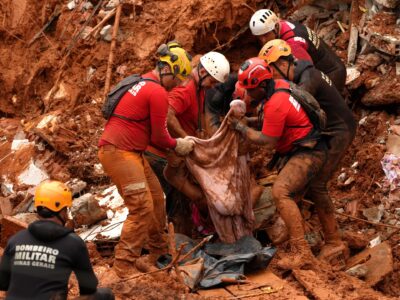
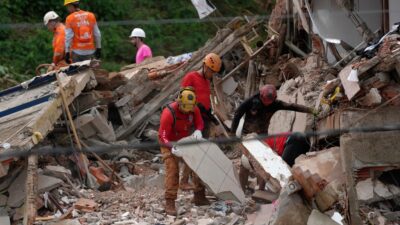
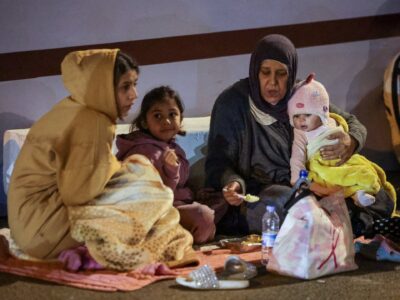
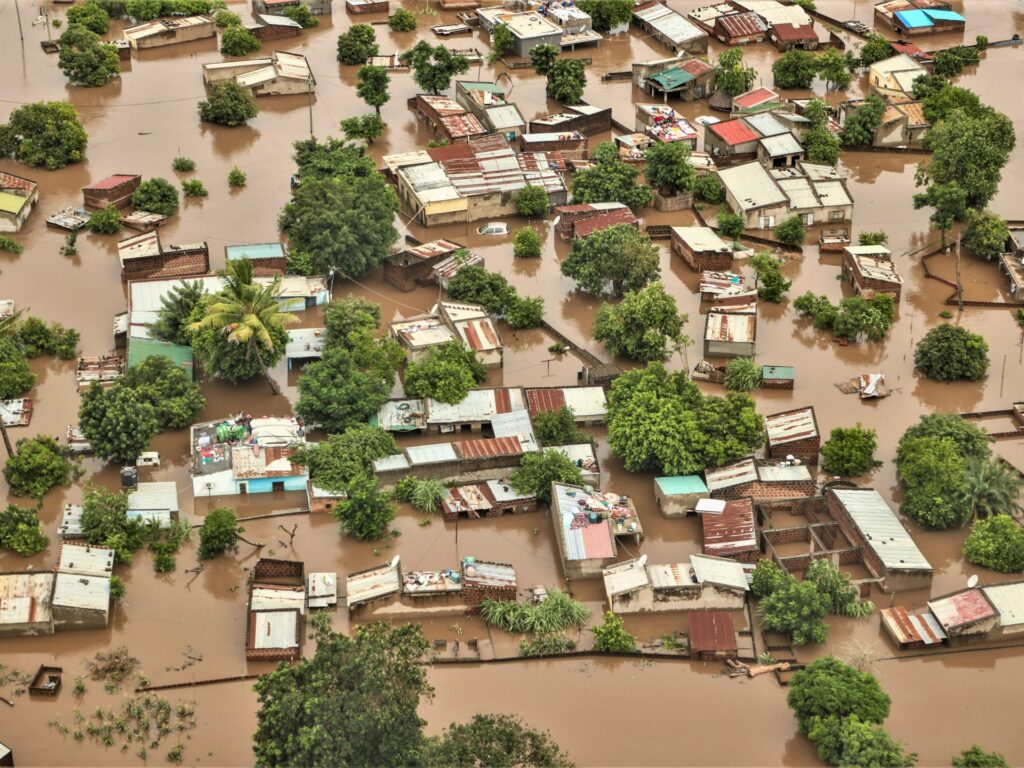
Meanwhile, in southern Africa, countries like Mozambique, South Africa, and Zimbabwe are coping with devastating floods caused by intense and prolonged rainfall. These floods have inundated vast areas, washing away homes, infrastructure, and agricultural land. Thousands have been displaced, and the death toll continues to rise as floodwaters recede slowly.
The floods have also triggered health emergencies, with the spread of waterborne diseases such as cholera and malaria on the rise. The destruction of crops and disruption of supply chains threaten food security in the region, compounding the humanitarian crisis.
Climate scientists attribute these extreme weather patterns to global warming, which intensifies the natural variability of rainfall and temperature. The African continent, despite contributing minimally to global greenhouse gas emissions, bears a heavy burden of climate change’s impacts.
Experts emphasize that the rapid transition to renewable energy, improved climate adaptation policies, and international support are crucial for mitigating future disasters. Local communities are urged to adopt resilient agricultural practices and invest in water conservation technologies to withstand these climatic shocks.
The contrasting climates—severe drought in the east and destructive flooding in the south—highlight the complexity of climate change effects, demanding nuanced and region-specific responses from policymakers, scientists, and humanitarian agencies.
This dual crisis underscores the urgency of global cooperation in addressing climate change, not only to protect Africa but to preserve ecological and economic stability worldwide. Without swift and decisive action, the suffering of millions in Africa due to climate-induced disasters is expected to worsen in the coming years, raising moral and practical imperatives for governments and international organizations to act decisively.