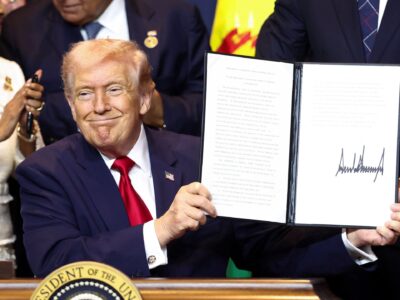
In recent geopolitical developments, China has been actively positioning itself as a reliable and steady partner on the global stage, especially in light of the apparent alienation of traditional US allies under former President Donald Trump’s administration. This shift in the international landscape has become evident with renewed diplomatic missions and trade engagements focused on strengthening ties with key Western nations.
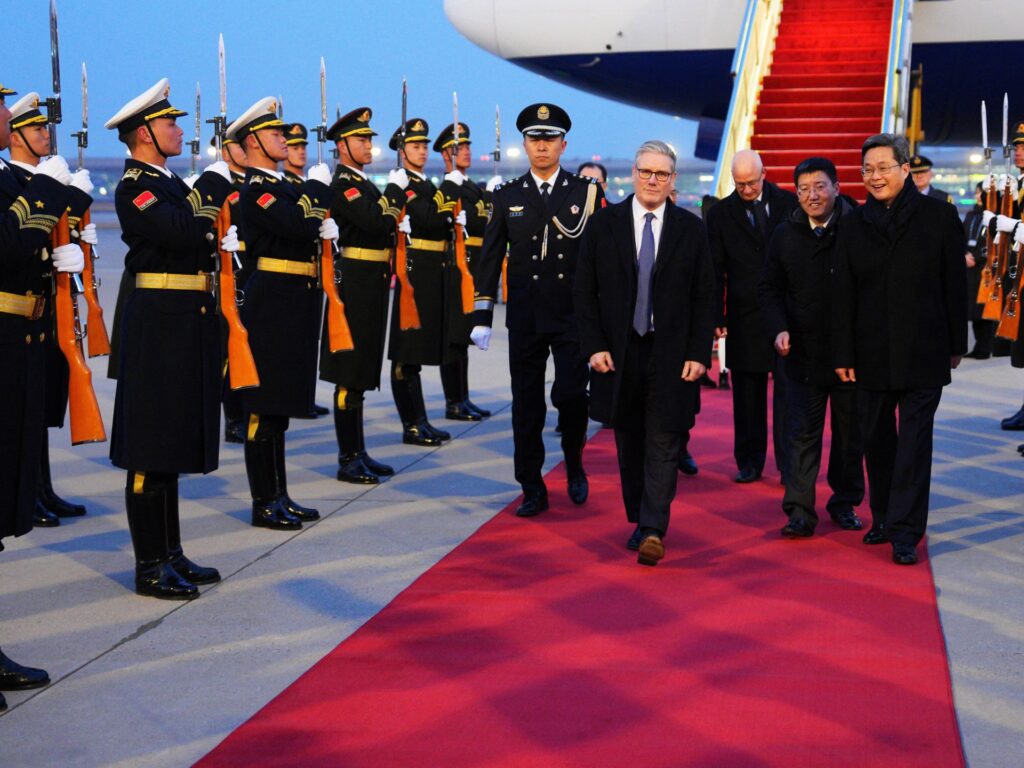
One of the most significant indicators of this trend is the recent visit of the UK Prime Minister, Keir Starmer, to Beijing. This visit marks a strategic move by the UK to pursue closer relations with China, signaling a subtle rebalancing of global alliances. Starmer’s discussions in Beijing centered on expanding trade agreements and fostering reciprocal economic growth, reflecting a pragmatic approach to international relations that prioritizes economic benefits and diplomatic openness.
China’s efforts to present itself as a dependable partner contrast with the perceived unpredictability and isolationist policies characteristic of the Trump administration’s foreign policy. During Trump’s tenure, several longstanding alliances and multilateral agreements faced strain due to policy shifts that emphasized an America-first agenda and a more unilateral approach to global issues.
The United States’ altered stance created openings for other global powers, particularly China, to deepen connections with nations seeking stability and reliable partnerships. Countries across Europe and Asia have demonstrated increased interest in engaging with China, balancing their diplomatic efforts between Washington and Beijing to maximize strategic and economic advantages.
China’s vision of partnership emphasizes mutual respect, non-interference, and shared development goals. These principles have resonated with many countries tired of transactional alliances that often come with significant political strings attached. By promoting comprehensive trade deals and infrastructure projects, such as those under the Belt and Road Initiative, China offers tangible incentives that appeal to nations looking for long-term growth and security.
The visit by UK Prime Minister Starmer is particularly symbolic, given the UK’s historical alignment with the US on global security and economic issues. Starmer’s outreach to China indicates a willingness to diversify international partnerships and acknowledges China’s growing influence in global affairs. This approach could herald a new era in international diplomacy where multiple centers of power collaborate within a more multipolar world order.
Economic factors are at the heart of these evolving relationships. Post-pandemic recovery strategies have led many governments to seek out new markets and investment opportunities. China’s massive consumer base and extensive manufacturing capabilities position it as a critical player in global economic recovery efforts. The UK’s proactive engagement seeks to capitalize on this potential to boost trade flows and industrial cooperation.
Moreover, issues such as climate change, technological innovation, and global health diplomacy have emerged as common grounds for cooperation. Despite political differences, China and Western countries recognize the necessity of collaborative action to address these universal challenges. The fostering of dialogue and partnership on these fronts suggests a pragmatic underpinning to renewed ties.
However, the U.S. remains a pivotal actor on the world stage, and its relationships with allies continue to evolve under new leadership and policies. The Biden administration has sought to repair and reinforce alliances, though the legacy of previous tensions still influences the global diplomatic climate. The dynamics between China, the US, and allied nations like the UK will likely define international relations in the near term.
In conclusion, China’s assertive diplomacy and UK Prime Minister Keir Starmer’s visit underscore a notable pivot in global alliances, driven by changing political landscapes and economic imperatives. This evolving scenario reflects a broader trend of countries pursuing diversified partnerships to navigate a complex and rapidly shifting international order, where China aspires to be seen not just as a dominant power but as a reliable and integral partner on the world stage.