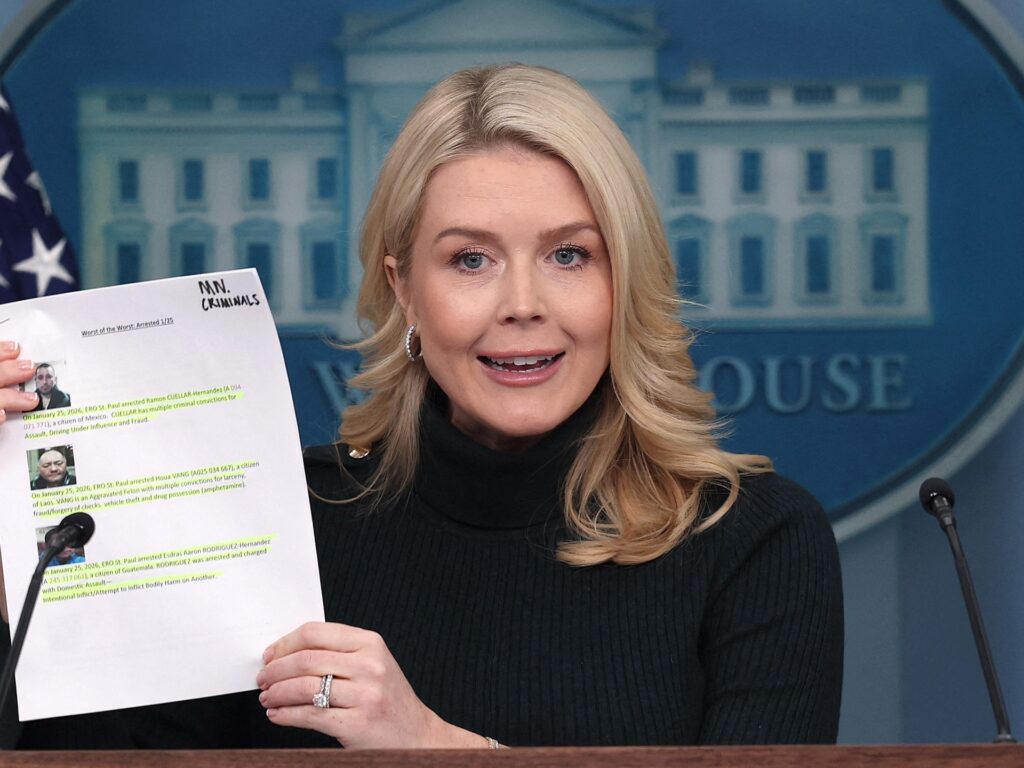
The White House has issued strong criticism against what it described as “sensationalist” and “liberal biased” media coverage following the recent killing of Alex Pretti. In response to a leading question about the incident, White House representatives accused major news outlets of distorting facts and fueling divisive narratives that do not contribute to constructive public discourse.
Alex Pretti’s death has been a subject of intense media scrutiny across various platforms, with many news organizations extensively covering the circumstances and implications of the case. However, the White House argues that some media coverage has been marked by exaggeration and bias, which in turn sensationalizes the tragic event beyond what the facts support.
During a press briefing, a reporter posed a leading question concerning the administration’s stance on the killing and the ensuing media narrative. The White House spokesperson countered, emphasizing the need for responsible journalism and cautioning against the rapid spread of misinformation.
The administration’s response comes amid broader debates about media bias and the role of the press in reporting sensitive and high-profile cases. Critics from conservative circles have long accused mainstream media of liberal bias, while proponents argue that such allegations are often attempts to undermine critical reporting.
The White House’s commentary highlights the continuing tension between government officials and the press, especially in situations charged with political and social implications. Officials claim that accurate and balanced reporting is essential to preserve public trust and prevent unnecessary social unrest.
Media analysts note that the coverage of Alex Pretti’s killing demonstrates the challenges journalists face in reporting tragic events professionally while navigating polarized public opinions. Sensationalist headlines and overly emotional narratives can sometimes cloud the facts and hinder meaningful discussions.
The White House has called for media outlets to adhere to higher journalistic standards and to approach sensitive topics with nuanced analysis rather than sensationalism. This approach, officials argue, benefits both the public and the society at large by fostering informed and respectful dialogue.
Meanwhile, news organizations defend their reporting as thorough and necessary for transparency and accountability. They assert that their coverage aims to shed light on important issues surrounding the case and the broader implications for law enforcement and social justice.
As the story of Alex Pretti continues to unfold, the divide between governmental perspectives and media practices remains evident. This incident underscores the ongoing conversation about the role of media in shaping public opinion, especially in times of crisis and tragedy.
The White House’s rebuke of “sensationalist” media practices invites reflection on how news stories are framed and the impact such framing has on society. It also calls attention to the responsibility shared by both government and media to foster an environment of truth and constructive communication.
In conclusion, the White House’s attack on the media over Alex Pretti’s coverage reflects deep-seated concerns over perceived media bias and sensationalism. As the public seeks accurate information, the balance between thorough reporting and respectful storytelling remains a critical challenge for all parties involved.