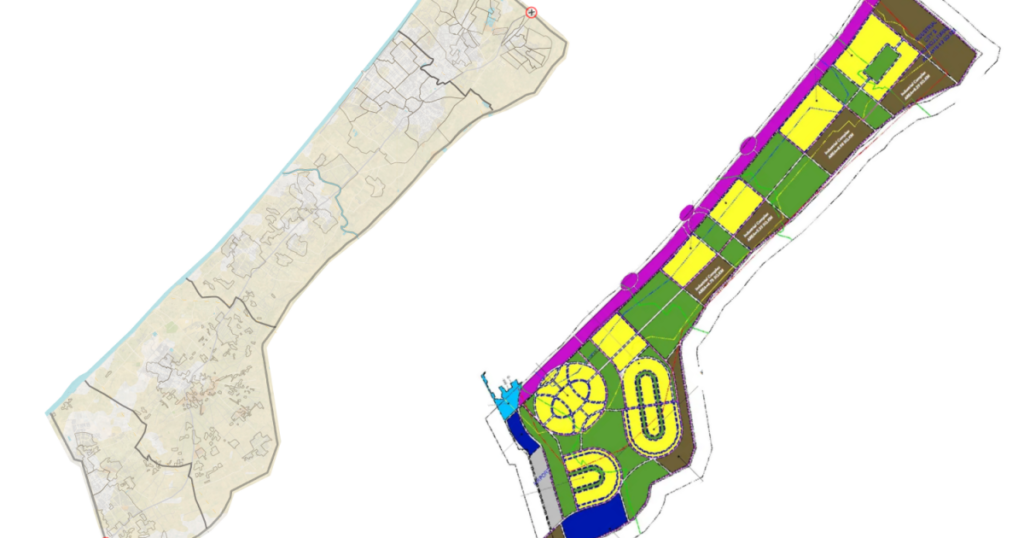
Recent revelations about the US ‘master plan’ for Gaza have sparked intense debate and concern worldwide. The plan envisions a radical transformation of Gaza, treating it essentially as vacant beachfront property ripe for redevelopment. Central to this vision are towering glass skyscrapers and sprawling industrial zones, seemingly disregarding the area’s rich historic and cultural heritage.
The proposed blueprint outlines a futuristic urban environment with modern architecture dominating the skyline. Glass towers, which are often symbols of wealth and modernization, are set to replace many existing structures, including areas with historic significance to Palestinians and the broader Middle Eastern history. The industrial zones planned in the document suggest a focus on economic revitalization, aiming to create jobs and boost the local economy. However, these zones are slated to be constructed over sites that many locals consider sacred or culturally important.
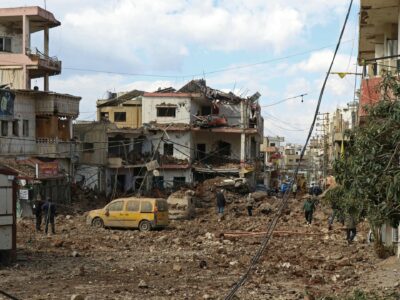
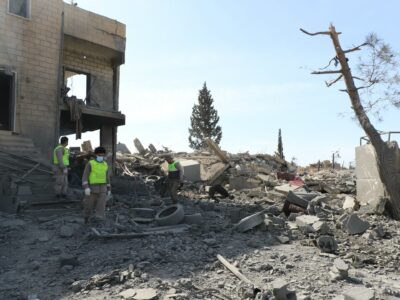
This approach has been criticized for effectively erasing Gaza’s past, folding it into an international vision of progress that neglects the historical identity and the lived experiences of its inhabitants. Many experts note that the plan seems to treat Gaza as a blank slate, ignoring decades of complex social, political, and cultural realities.
The transformation of Gaza into a modern beachfront destination also raises questions about feasibility and sovereignty. Gaza’s geopolitical situation is extremely sensitive, and implementing such dramatic changes would require unprecedented cooperation between local Palestinian authorities, Israel, and international stakeholders, including the US government.
Beyond the architectural overhaul, critics argue that the plan risks displacing residents and disrupting existing communities. The vision appears to prioritize commercialization and international investment potential over addressing pressing humanitarian needs and preserving community cohesion.
Supporters of the plan claim it could herald a new era of peace and economic prosperity by reshaping Gaza’s infrastructure and opening it to global markets. They assert that modern development could help alleviate poverty and provide new opportunities for youth in the region.
Nevertheless, these optimistic projections are tempered by skepticism regarding whether the plan truly serves the interests of Gaza’s population or whether it imposes an external vision with limited input from those affected.
The contrast between the proposed glass towers and industrial parks with the historic and everyday realities of Gaza highlights a profound tension in urban planning under politically charged conditions. It brings into focus broader discussions about whose vision of progress is prioritized in conflict-affected areas and how development can balance modernization with respect for history and rights.
As the plan continues to circulate in media and policy circles, activists and cultural preservationists have called for inclusive dialogue that respects Gaza’s heritage and current inhabitants. They emphasize the need for projects that empower local communities rather than erasing their identities.
In summary, the US ‘master plan’ for Gaza reveals an ambitious vision of transformation that faces many challenges relating to heritage, sovereignty, and social impact. The future of Gaza remains a complex tapestry of competing narratives—a place where development must carefully negotiate the past and present to build a sustainable, respectful future.