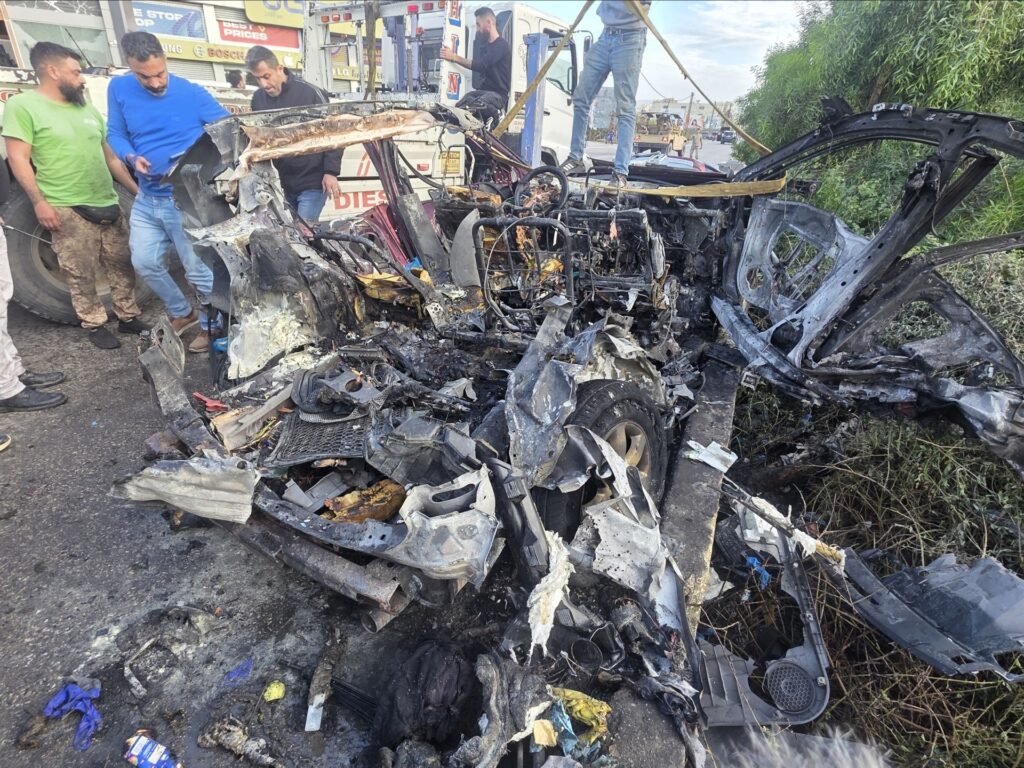
In a tragic escalation of violence, a TV presenter was killed in an Israeli strike in southern Lebanon, according to Hezbollah. This incident marks a significant and sorrowful development in the ongoing tensions between Israel and Lebanon. The targeted area in southern Lebanon has been a frequent site of conflict, and this recent strike has sparked outrage both locally and internationally.
Hezbollah, the Lebanese Shia Islamist political party and militant group, confirmed the death and condemned the Israeli action, highlighting the impact on civilians and media personnel. The group accused Israel of reckless aggression and called for intensified resistance against Israeli operations.
In response to the strike, a Lebanese government minister publicly condemned the killing, emphasizing that the act was an attack not only on an individual but on the freedom of the press and the safety of civilians. The minister urged the international community to take urgent and effective action to stop Israel’s military aggression and to protect Lebanese sovereignty and human rights.
This killing has raised concerns over the safety of journalists and media workers in conflict zones, spotlighting the dangers faced by those who report from these highly volatile areas. International journalist organizations have echoed calls for immediate investigations and stronger safeguards for media personnel.
The incident has escalated tensions in the already fragile region, threatening further destabilization. Lebanon, grappling with internal political strife and economic crises, faces heightened turmoil as communities react to the airstrike’s deadly consequences.
Diplomatic channels are reportedly being activated to address the fallout, with various countries and international bodies calling for calm and restraint. The United Nations and other global entities have reiterated their stance on protecting civilians during armed conflict and have expressed willingness to mediate discussions for peace.
This event is a stark reminder of the volatility in southern Lebanon and the broader Middle East. It underscores the urgent need for a renewed focus on dialogue and peaceful resolution to longstanding conflicts. The loss of a media professional in such circumstances draws attention to the critical role of journalism in conflict zones and the risks that come with it.
As investigations into the incident continue, the international community watches closely, hoping for a de-escalation in hostilities and justice for the victim. The call by the Lebanese minister for international intervention highlights the growing demand for accountability and the prevention of further casualties.
Overall, the killing of the TV presenter in southern Lebanon serves as a grim snapshot of the ongoing strife in the region, emphasizing the human cost of protracted conflicts and the pressing need for comprehensive peace initiatives.