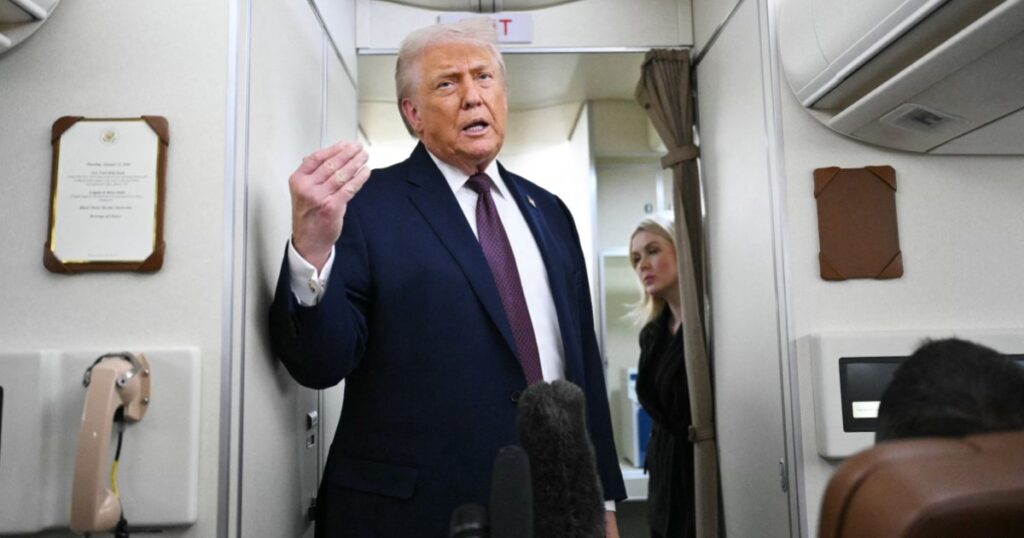
A recent Reuters/Ipsos poll has brought to light a significant decline in public approval for former President Donald Trump’s handling of immigration issues. According to the survey, only 39 percent of Americans now approve of Trump’s approach to immigration, marking a record low in his approval ratings on this critical topic.
The poll’s findings highlight growing dissatisfaction among the public regarding Trump’s immigration policies. Over the years, immigration has been a contentious and highly debated issue in American politics, with Trump’s tenure characterized by strict immigration enforcement and controversial measures such as family separations and the travel ban targeting several predominantly Muslim countries.
This decline suggests a shift in public perception, possibly influenced by changing demographics, evolving political attitudes, and reactions to the Trump administration’s policies. The poll, conducted by Reuters in collaboration with Ipsos, gathered responses from a diverse cross-section of American citizens to assess their views on various political figures and policies, including immigration.
The 39 percent approval rating signifies a stark contrast to earlier in Trump’s presidency when his immigration stance was a cornerstone of his campaign platform, resonating strongly with his base. However, as the years passed, the long-term impacts and humanitarian concerns associated with his policies may have swayed public opinion.
Political analysts suggest that this drop in approval could have implications for Republican strategies in upcoming elections, as immigration continues to be a pivotal issue for voters across the political spectrum. It may also reflect broader national and international discussions on immigration reforms, border security, and human rights.
While Trump’s supporters maintain that his strict immigration policies were necessary for national security and economic stability, critics argue that such measures were often excessively harsh and failed to address the complexity of immigration challenges faced by the United States.
The new poll’s results resonate beyond just Trump’s individual approval ratings; they contribute to the ongoing debate about the direction U.S. immigration policy should take in the future. As the country grapples with issues such as asylum-seekers, undocumented immigrants, and border control, public opinion remains a crucial factor in shaping policymaking.
In conclusion, the Reuters/Ipsos poll reveals a noteworthy decline in Donald Trump’s approval rating on immigration to a record low of 39 percent. This development underscores the evolving political landscape and the importance of immigration as a defining issue in American public discourse and electoral politics.
The implications of this shift are likely to influence both political campaigns and policy decisions as the nation continues to seek a balanced and humane approach to immigration.