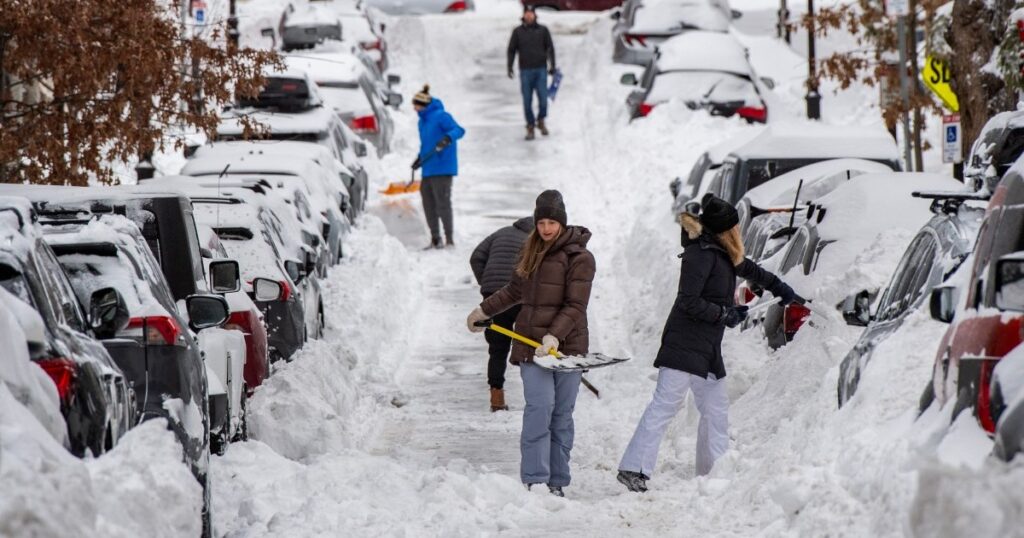
A devastating winter storm has engulfed large parts of the United States, resulting in at least 30 fatalities and widespread disruptions across multiple states. The severe weather brought an intense mix of snow, ice, and freezing temperatures, creating hazardous conditions and paralysing transportation networks.
The storm’s impact has been far-reaching, as snow and ice coated roads, bridges, and power lines, leading to numerous accidents, power outages, and emergency situations nationwide. Authorities have issued numerous warnings urging residents to stay off the roads and prepare for ongoing adverse weather conditions.
One of the standout consequences of this storm is its expected costliness. Economic analysts estimate that the combined losses—accounting for infrastructure damage, emergency response, cleanup efforts, lost productivity, and other economic disruptions—will fall between $105 billion and $115 billion. If these projections hold, this storm will become one of the costliest weather-related events in recent U.S. history.
The severity and scale of the storm have also exposed vulnerabilities within infrastructure and emergency preparedness systems, prompting calls for improved resilience against extreme winter weather patterns expected from changing climate conditions. Emergency responders and local governments continue working tirelessly to assist affected communities, clear roadways, restore utilities, and mitigate further damage.
Residents in the hardest-hit regions have faced prolonged power outages, school and business closures, and scarcity of essential supplies. Meanwhile, transportation agencies are grappling with delays and cancellations across air, rail, and road travel. The Federal Emergency Management Agency (FEMA) and other federal entities have been mobilized to support state and local response efforts.
Meteorologists note that this particular storm formed due to a confluence of atmospheric conditions that brought unusually cold air masses and moisture from the Gulf of Mexico, producing heavy snowfall and ice accumulation in a wide corridor extending from the Midwest to the Northeast.
The human toll and economic damages underscore the importance of improving weather forecasting, infrastructure robustness, and emergency management strategies. As communities begin recovery efforts, there is an urgent push to learn from this disaster and better prepare for future severe weather events.
In summary, the recent severe winter storm has caused at least 30 deaths, widespread disruptions, and is projected to incur between $105 billion and $115 billion in economic losses, marking it as a historic and sobering weather catastrophe in the United States.