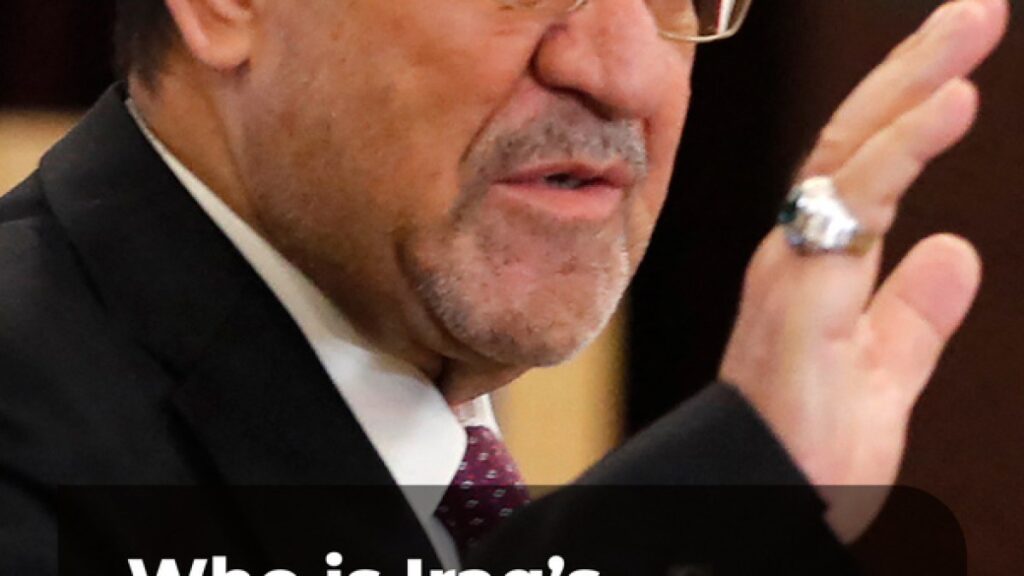
Nouri al-Maliki is a prominent Iraqi politician who has played a significant role in the country’s modern political landscape. He is primarily known for serving as the Prime Minister of Iraq from 2006 to 2014, a period marked by intense challenges including sectarian violence, the rise of extremist groups, and efforts at national reconciliation.
Al-Maliki belongs to the Shia community, which is the largest sect in Iraq, and his political rise was closely tied to the dominance of Shia parties in post-Saddam Hussein Iraq. He is a founding member of the Islamic Dawa Party, one of the oldest and most influential Shia Islamist political organizations in Iraq.
Following the 2003 U.S.-led invasion of Iraq that toppled Saddam Hussein, al-Maliki gradually emerged as a key political figure. His nomination to the prime ministership was backed by Iraq’s dominant Shia political bloc, reflecting the shifting power dynamics in Iraq where Shia groups became the primary political force.
During his tenure, al-Maliki focused on consolidating Shia power within the government and security forces, which critics argue sometimes came at the expense of Sunni and Kurdish minorities, contributing to sectarian tensions. His government faced criticism for authoritarian tendencies and corruption, but also took some strides to improve infrastructure and state institutions.
After serving two terms as Prime Minister, al-Maliki remained an influential figure in Iraqi politics, continuing to lead the State of Law Coalition, which remains a significant force within the Shia political landscape.
In sum, Nouri al-Maliki is a key figure in Iraq’s post-Saddam political scene, representing the rise of Shia political power and the complex struggles of governance in a deeply divided and conflict-affected country.