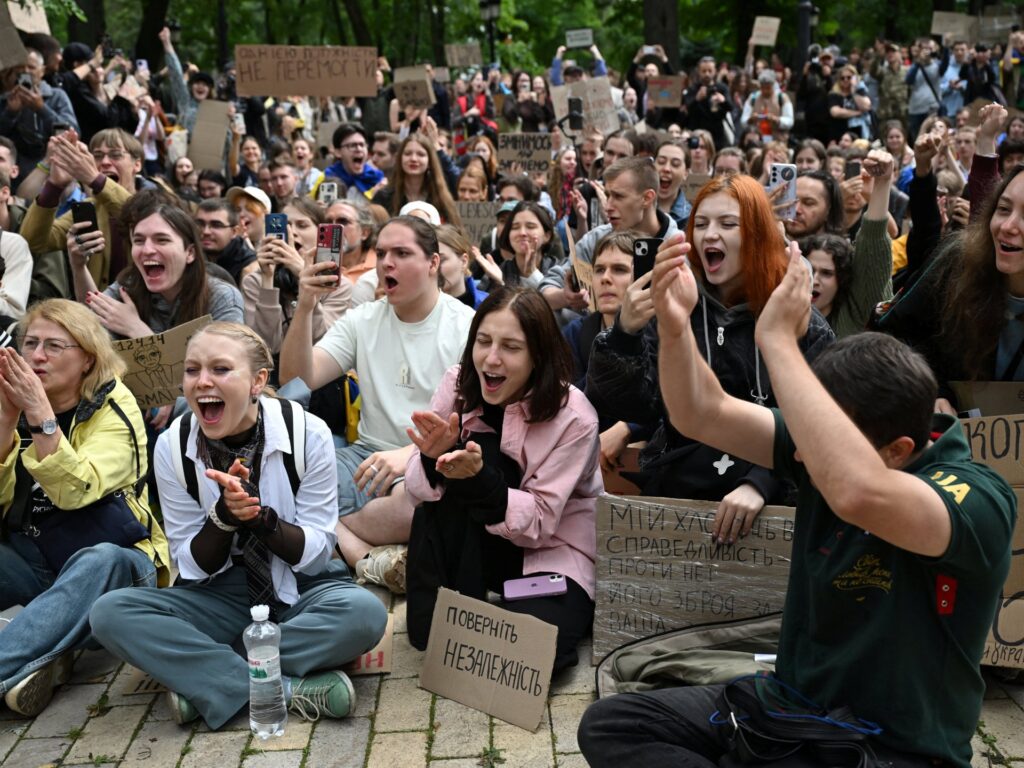
Corruption has long been a significant problem in Ukraine, undermining trust in institutions and hindering the country’s development. President Volodymyr Zelenskyy, since his election, has made tackling corruption a central pillar of his administration. However, the process is far from easy, with numerous systemic challenges and entrenched interests resisting reform.
A Ukrainian lawyer specializing in anti-corruption cases explains that criminal justice efforts against graft are inherently slow and complicated. Investigations require careful evidence gathering, legal procedures, and often face interference or delays due to political pressure. Despite these obstacles, there is cautious optimism that meaningful change is underway.
Zelenskyy’s government has introduced several reforms aimed at increasing transparency and accountability. New anti-corruption agencies have been empowered, and there have been efforts to digitize public services to reduce opportunities for bribery. Legal frameworks have been updated to better define conflicts of interest and impose stricter penalties on corrupt officials.
International support has been critical in encouraging reforms. Various global institutions and Western governments have provided funding, expertise, and political backing to bolster Ukraine’s fight against corruption. This external pressure and assistance have helped sustain momentum and increase public confidence in anti-corruption initiatives.
Nonetheless, challenges remain. Corruption is deeply embedded in some parts of Ukraine’s political and economic systems. Changing this requires more than laws—it needs cultural shifts and persistent enforcement over time. The public’s role is also crucial, as citizens demand greater integrity and hold officials accountable.
In summary, Ukraine’s battle against corruption, led by President Zelenskyy, is a difficult but ongoing journey. The legal processes to address graft are slow and complex, but reform efforts, supported both domestically and internationally, signal hope for a more transparent and just future. This transformation will likely take years, but the commitment shown so far suggests that positive change is possible.