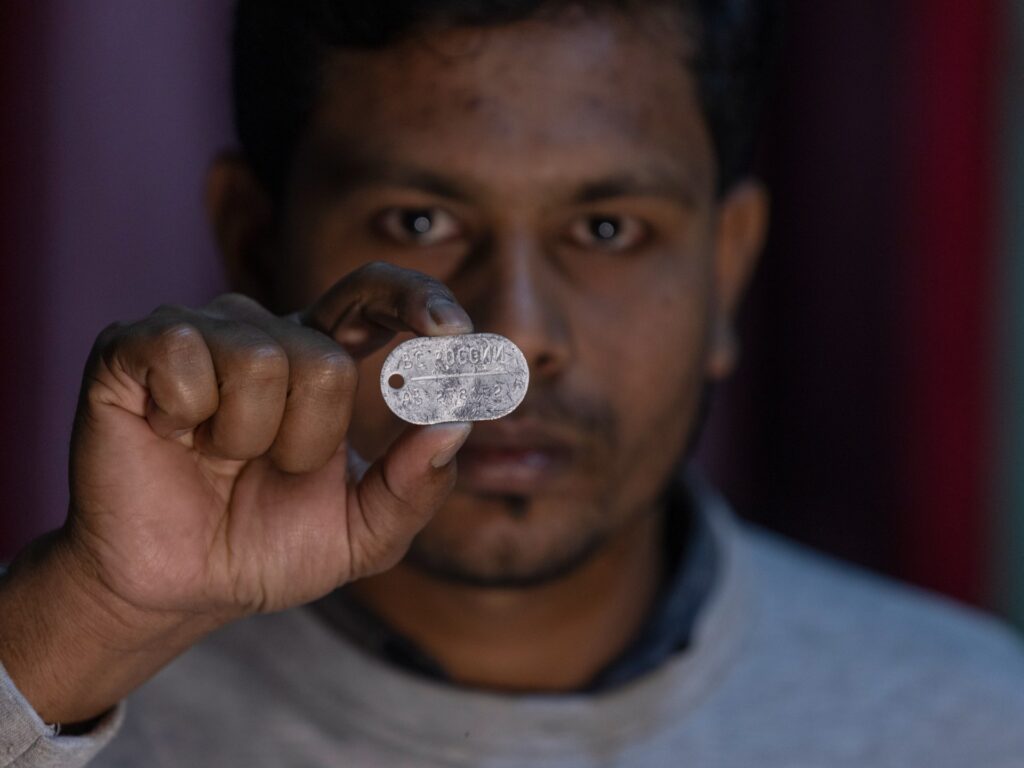
An Associated Press investigation has revealed troubling circumstances surrounding Bangladeshi workers who travel to Russia in search of civilian employment opportunities. These workers, initially lured by promises of regular civilian jobs, are reportedly being forced into participation in the ongoing war in Ukraine against their will.
The report highlights that many Bangladeshis who migrate for work are unaware of the true nature of the roles awaiting them. Instead of the expected jobs in civilian sectors, some find themselves coerced into military-related activities or wartime support roles, effectively becoming part of the conflict.
This situation raises serious concerns about human rights abuses and exploitation of vulnerable migrant workers. Bangladeshis, many of whom are trying to support families back home, face a perilous situation, trapped in a foreign country amidst escalating conflict.
The Associated Press investigation points to a wider trend of recruitment networks using deceptive tactics and false promises to attract laborers to Russia. Migrant workers often have no clear legal protections once they arrive, making them susceptible to forced involvement in activities they never consented to.
Experts warn that these developments complicate diplomatic relations and place migrant populations at extreme risk. The recruitment of foreign workers into ongoing conflicts violates international labor and human rights laws.
Bangladesh’s government and international organizations are urged to strengthen protective measures for migrant workers and ensure transparency in overseas employment programs. This includes vetting recruiters, providing accurate information about job conditions abroad, and establishing support systems for those trapped in conflict zones.
For the affected Bangladeshi workers, the promise of employment in Russia has turned into a dangerous ordeal. The report calls for immediate attention and action to safeguard their rights and provide avenues for safe return.
Overall, the AP investigation sheds light on a covert and disturbing facet of the Ukraine conflict, reflecting broader issues of migrant exploitation and the human cost of war. It serves as a critical reminder of the responsibilities governments and international bodies bear in protecting vulnerable populations amid global crises.