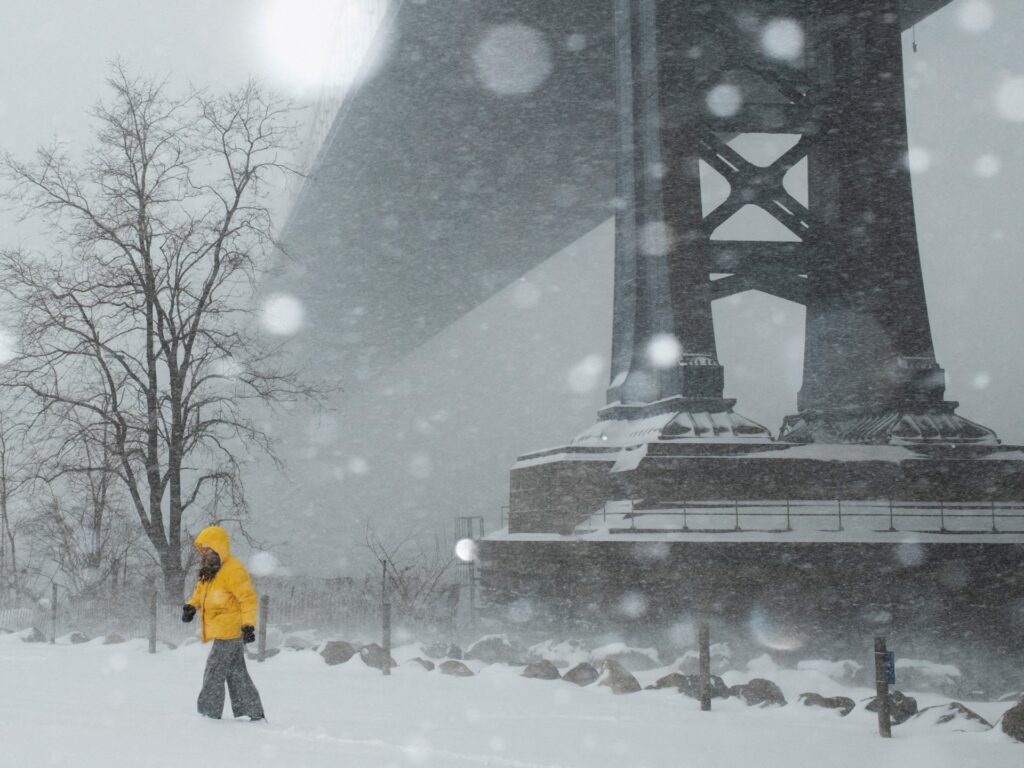
A severe winter storm has swept across the United States, causing tragic loss of life, widespread power outages, and massive travel disruptions. At least 10 people have died as a result of the storm, which has left an estimated 819,000 homes and businesses without electricity.
The storm’s impact has been felt nationwide, affecting millions of residents in various states. The heavy snow and ice have blanketed roads and highways, leading to hazardous driving conditions and numerous accidents. Authorities have urged the public to avoid travel unless absolutely necessary.
Air travel has also been significantly disrupted, with hundreds of flights canceled or delayed at major airports. Airlines are struggling to manage the backlog of passengers and reschedule flights amid the ongoing severe weather.
Utility companies are working around the clock to restore power, but the extensive damage to electrical infrastructure caused by ice-coated power lines and strong winds has slowed progress. Many areas remain without heat and light, complicating life for residents during the bitterly cold temperatures.
Emergency services have been stretched thin, responding to traffic accidents, health emergencies, and issues related to exposure and hypothermia. Local governments have opened warming centers to help those without power stay safe.
Meteorologists warn that the storm could continue to affect parts of the country as it moves eastward, bringing more snow, sleet, and strong winds. Officials encourage residents to stay informed and heed safety advisories.
This winter storm underscores the harsh realities of extreme weather events and highlights the importance of community preparedness and support during such emergencies. Authorities continue their efforts to mitigate the storm’s impact and assist those affected.