The year 2026 has been marked by an alarming number of deaths connected to U.S. Immigration and Customs Enforcement (ICE) activities. At least nine individuals lost their lives in incidents related to immigration enforcement, casting a spotlight on the human cost surrounding immigration policies and enforcement practices.
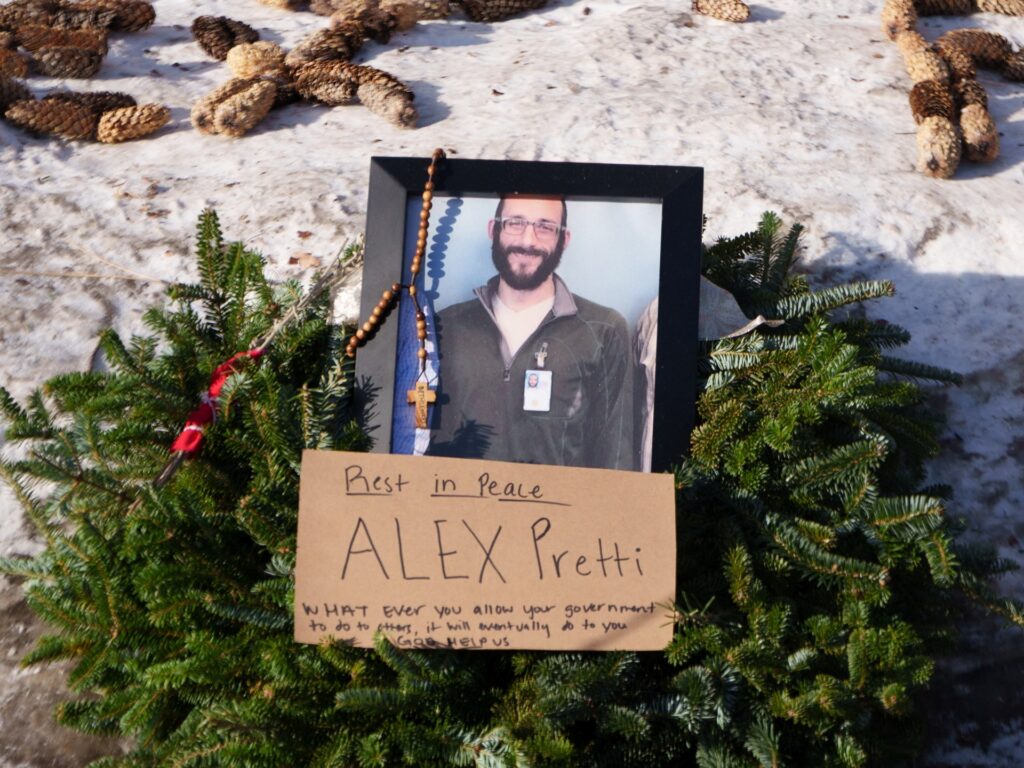
Among the victims were Alex Pretti and Renee Nicole Good, whose tragic deaths by shootings have become emblematic of the broader crisis. Their stories, along with the others, highlight the dangers faced by undocumented immigrants, detainees, and their advocates amid heightened enforcement efforts.
Alex Pretti’s death occurred during a confrontation that escalated quickly, with details showing underlying tensions between law enforcement and immigrant communities. Renee Nicole Good, similarly, was fatally shot in an incident that raised serious questions about the use of force by ICE agents. Both cases have sparked outrage and calls for thorough investigations to address accountability.
The cumulative impact of these fatalities has intensified debates over immigration enforcement policies, with critics pointing to systemic issues such as excessive use of force, inadequate detainee protections, and the mental and physical health risks faced by those in ICE custody.
Advocacy groups have ramped up efforts to demand reforms, calling for more transparency in ICE operations and greater oversight to prevent further unnecessary deaths. Meanwhile, policymakers are being urged to reconsider the balance between immigration control and human rights.
This troubling trend in 2026 serves as a somber reminder of the complexities and consequences of immigration enforcement in the United States. It underscores the urgent need for comprehensive reforms that prioritize safety, dignity, and justice for all individuals, regardless of their immigration status.
As the nation reckons with these stories of loss, the hope remains that meaningful change can emerge from the pain, ensuring that such tragedies become a thing of the past rather than a continuing pattern.