A severe winter storm has swept across the United States, leaving more than a million people without electricity from Texas to New England. This historic storm has brought hazardous conditions including heavy snowfall, icy roads, and strong winds, prompting widespread travel warnings and emergency responses.
The storm began in the southern plains and rapidly intensified as it moved northeast, catching many regions off guard with its severity. In Texas, where power grids have been historically fragile during winter weather, outages affected hundreds of thousands of residents struggling with freezing temperatures. Local utility companies are working around the clock to restore services, but officials warn that it could take several days due to the extent of the damage and ongoing severe weather.
Moving through the Midwest and into the Great Lakes region, the storm dumped heavy snow and ice, causing dangerous driving conditions and numerous accidents. Authorities have issued stay-at-home orders and travel advisories to keep residents safe. Emergency shelters have been opened in several states to assist those displaced by power outages or stranded by the storm.
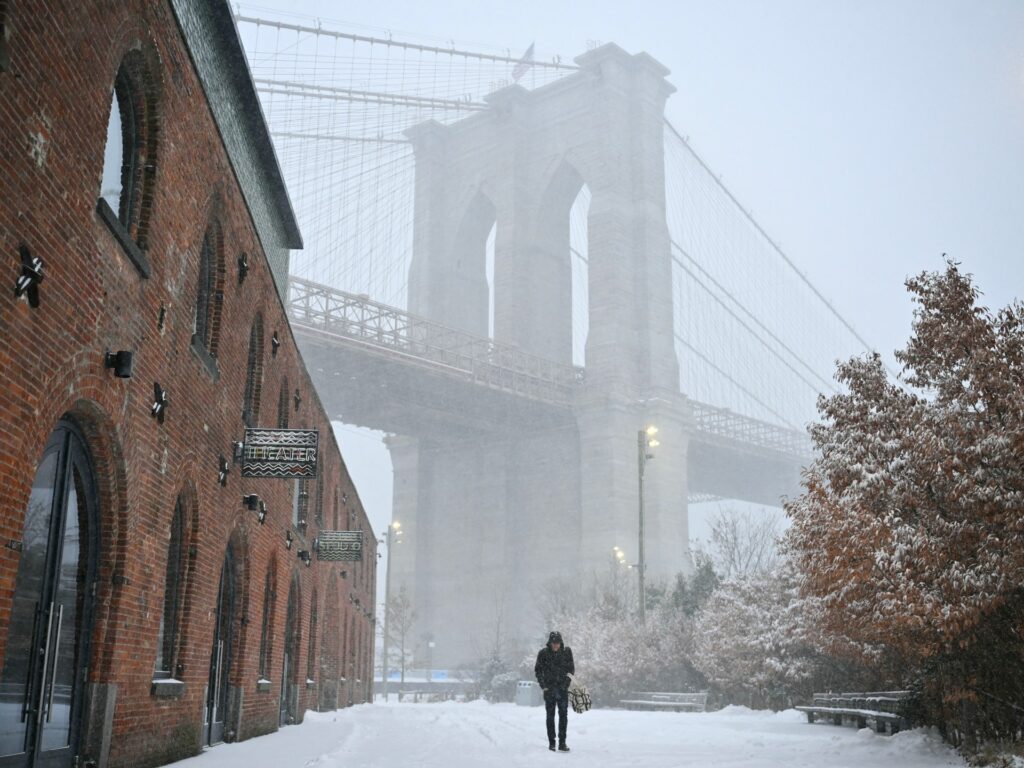
The storm’s impact has extended into the Northeast, including New England, which is currently grappling with a combination of heavy snow and freezing rain. Schools and businesses have closed as transportation has been severely disrupted. Public safety officials advise the public to avoid all nonessential travel and prepare for continued winter hazards for the next several days.
Meteorologists warn that the storm system is slow to move out of the region, ensuring prolonged adverse conditions. The National Weather Service has issued multiple alerts highlighting the risks of hypothermia, frostbite, and accidents caused by ice-slicked roads.
Utility crews from various states have mobilized mutual aid agreements to boost restoration efforts. Assistance is coming from neighboring states to help repair downed power lines and prevent further outages.
This winter storm has highlighted the vulnerability of infrastructure to extreme weather and the importance of community preparedness in face of natural disasters. Officials are urging residents to stock up on essentials, check on neighbors, especially the elderly and disabled, and follow all safety advisories.
As cleanup and recovery efforts continue, authorities remain vigilant for any worsening conditions and further storm development. The federal government has expressed readiness to provide support for affected states if necessary, emphasizing a coordinated response across all levels of government.
This storm serves as a stark reminder of the risks posed by increasingly volatile winter weather patterns, underscoring the need for resilient infrastructure and comprehensive emergency planning nationwide.