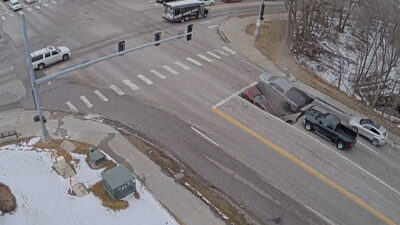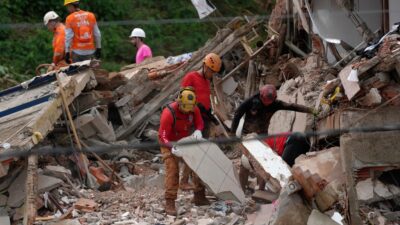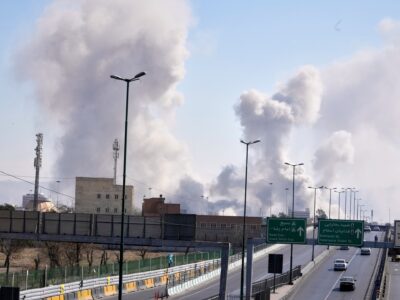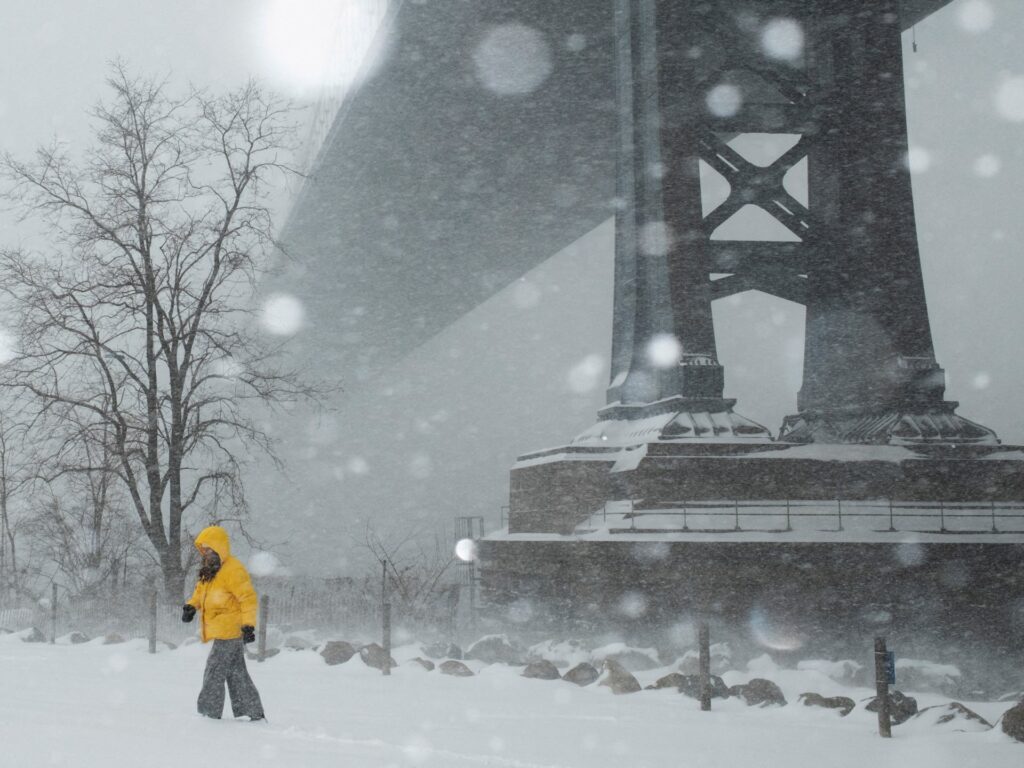
A severe winter storm has swept across the United States, bringing with it deadly conditions, extensive power outages, and massive travel disruptions. Authorities report that at least 819,000 homes and businesses are currently without electricity, as icy conditions and heavy snow continue to wreak havoc.
The storm’s impact has been felt nationwide, with hazardous road conditions causing numerous traffic accidents and delays. Emergency services are stretched thin as they respond to incidents and work to restore power to affected areas.
Flight cancellations and delays have crippled airports across the country, with many travelers stranded as airlines struggle to manage the chaos. Major hubs have reported hundreds of canceled flights, with ripple effects impacting schedules nationwide.
In addition to the infrastructural challenges, the storm has tragically resulted in multiple fatalities. Authorities have urged people to stay indoors and avoid unnecessary travel as the storm persists.
Utility companies are working around the clock to repair downed power lines and restore electricity. However, the scale of the outages means that some areas may remain without power for days.
Schools and businesses have preemptively closed in several regions to ensure safety. Public transit systems are also operating on reduced schedules or have been temporarily suspended in certain cities.
Meteorologists warn that the worst of the storm is yet to pass, with forecasts predicting continued snowfall and freezing temperatures. Residents are advised to prepare for more disruptions and to stay updated on weather alerts.
Community shelters have been set up in various locations to assist those affected by the outages, providing warmth, food, and medical assistance.
Officials emphasize the importance of heeding official warnings and preparedness measures to minimize risk during this ongoing winter emergency.
The storm serves as a stark reminder of the vulnerability of infrastructure during extreme weather events and highlights the critical need for preparedness and resilience planning amid changing climate patterns.
As recovery efforts continue, the nation remains vigilant in the face of this challenging and dangerous winter storm.