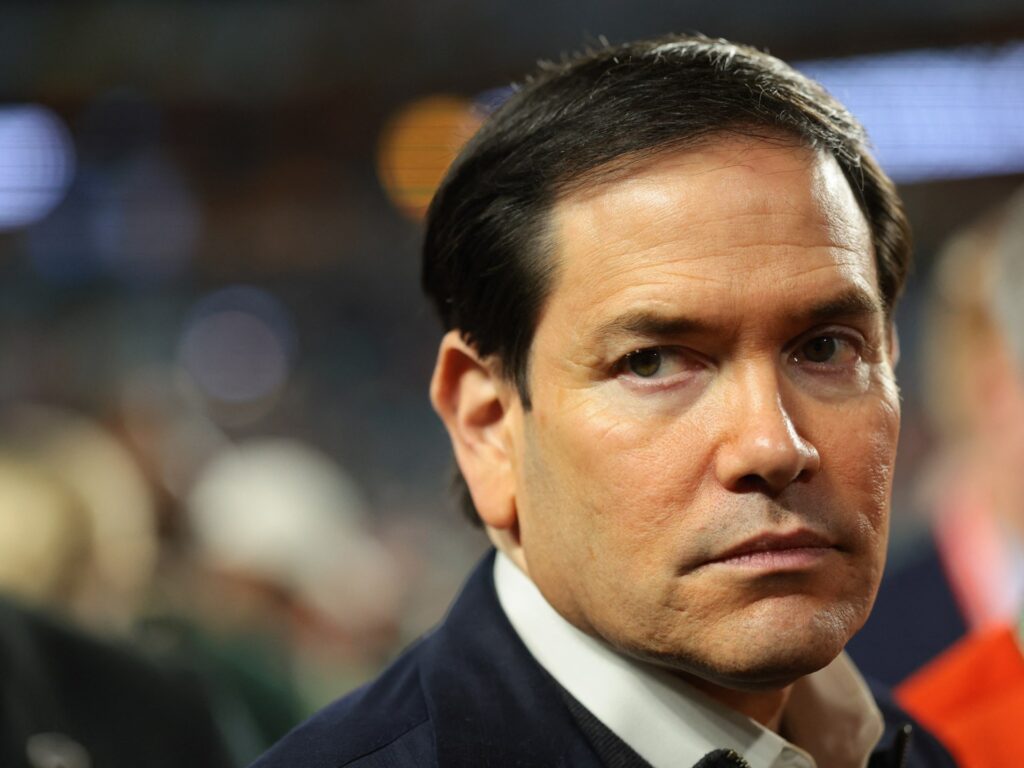
US State Secretary Marco Rubio has engaged in a significant conversation with Iraqi Prime Minister Shia al-Sudani, highlighting ongoing geopolitical developments amid heightened tensions between the United States and Iran. The dialogue comes at a critical juncture as Iraq anticipates the formation of a new government, underscoring the country’s pivotal role in regional stability.
In recent months, the relationship between the US and Iran has been strained due to a variety of political and military factors. The US has maintained rigorous policies and strategic postures aiming to curtail Iran’s influence in the Middle East, while Iran continues to assert its regional interests, often involving proxy groups and alliances.
Iraq’s position is crucial since it shares borders with both nations and hosts diverse political factions with differing allegiances. The upcoming formation of a new Iraqi government provides a unique opportunity for Iraq to mediate or at least temper the escalating tensions between Washington and Tehran.
During the conversation, Secretary Rubio emphasized the United States’ commitment to supporting Iraq’s sovereignty and stability. He expressed a keen interest in fostering cooperative relations that would help Iraq navigate its internal challenges and external pressures from regional powers.
Prime Minister Shia al-Sudani, recently appointed and seen as a symbol of hope for reform, responded by acknowledging the complex dynamics affecting Iraq and its neighbors. He emphasized the need for constructive dialogue and highlighted Iraq’s desire to maintain balanced relations, illustrating the country’s sensitive position amid great power rivalries.
Experts note that this communication symbolizes an effort to engage early with Iraq’s new leadership to prevent the country from becoming a battleground for proxy conflicts. Both officials reportedly discussed ways to ensure Iraq’s security, promote economic development, and uphold diplomatic channels open in the face of external pressures.
The timing of the call correlates with escalating incidents around the region, including military skirmishes and strategic maneuvers by Iranian-backed militias, which have raised alarms in Washington. The United States seeks to avoid further destabilization and to support Iraq’s government in enforcing national sovereignty and security laws.
Additionally, discussions likely encompassed the potential for collaborative efforts in counterterrorism, economic recovery, and humanitarian aid, given Iraq’s ongoing challenges. Strengthening US-Iraqi ties is viewed as a strategic move to counterbalance Iran’s influence through diplomatic and economic means.
Rubio’s outreach to PM al-Sudani can be interpreted as part of a broader US strategy to reaffirm alliances and partnerships in the Middle East, particularly among countries vulnerable to Iran’s regional ambitions. Iraq’s new government plays a vital role in this strategic calculus, as peaceful and stable Iraq could act as a buffer zone mitigating direct conflicts.
The call also signals Washington’s intent to remain actively involved in Iraqi affairs despite domestic and international distractions. As Iraq navigates its transition, US officials appear motivated to contribute to a stable outcome that aligns with American interests and regional peace.
Looking forward, the relationship between Washington and Baghdad will likely influence the dynamics across the Middle East, including issues related to energy markets, security cooperation, and diplomatic engagement. How Iraq manages its relationships with both the US and Iran will be critical in shaping its future trajectory.
In conclusion, Secretary Rubio’s outreach to the Iraqi Prime Minister amid heightened US-Iran tensions underscores the complexity of Middle East geopolitics and the significance of Iraq’s emerging leadership. It reflects a concerted effort to maintain dialogue and cooperation that could help de-escalate tensions and promote stability in a volatile region.