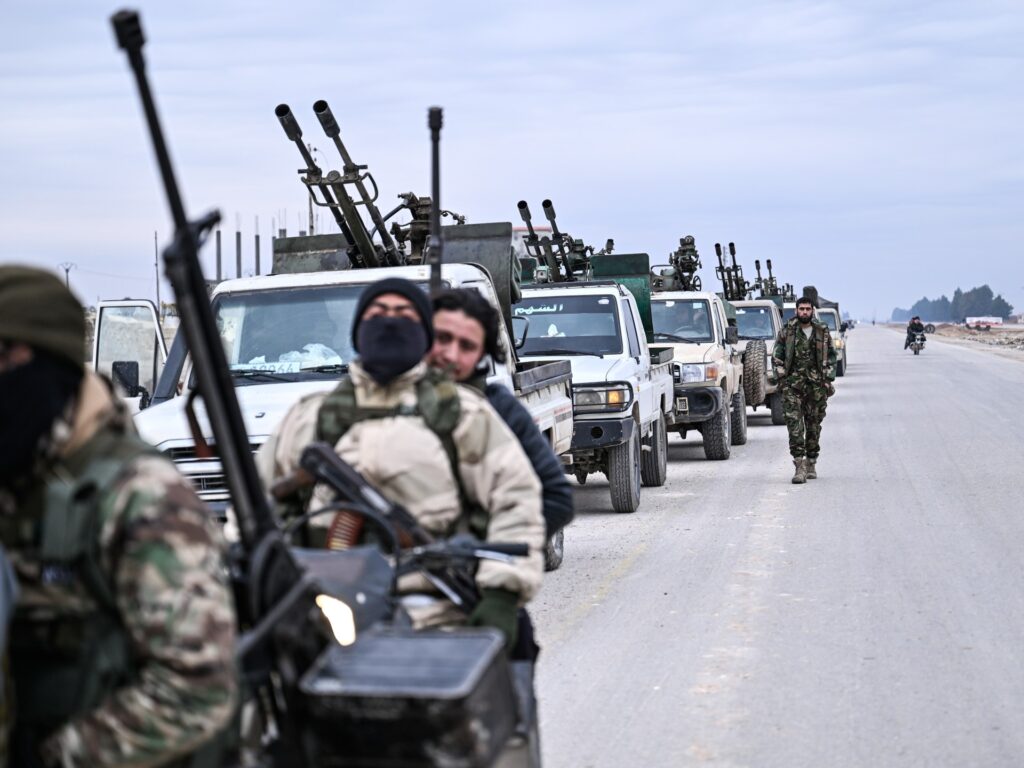
The fragile ceasefire agreement between the Syrian army and the Kurdish-led Syrian Democratic Forces (SDF) is facing renewed tensions as both sides accused each other of violating the truce. This exchange of accusations occurred just a day after the Syrian government announced a 15-day extension of the ceasefire with the SDF, signaling an effort to maintain peace despite ongoing regional complexities.
The Syrian army and the SDF, which have been long-standing adversaries amid the Syrian conflict, had agreed to the ceasefire as a step toward reducing hostilities and fostering stability in the region. The latest extension underscores the significance of this agreement, reflecting a mutual, albeit cautious, willingness to avoid further escalation.
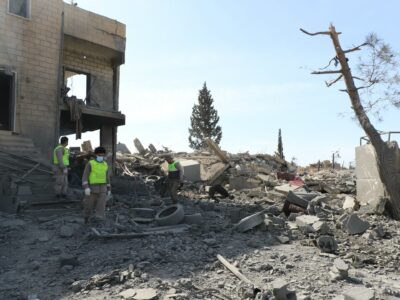
However, the accusations from both sides indicate underlying mistrust and highlight the fragile nature of this ceasefire. Reports from the Syrian army allege that SDF forces conducted unauthorized movements and engaged in hostile activities in contested areas, undermining the spirit of the ceasefire. Conversely, the SDF accused the Syrian government forces of shelling SDF positions and violating agreed-upon boundaries.
These conflicting narratives demonstrate the complexities of maintaining peace in a multi-faceted conflict zone, where localized incidents can rapidly escalate tensions. Analysts suggest that the ceasefire, while extended, may only be tenuous unless accompanied by robust monitoring mechanisms and confidence-building measures between the parties.
The ceasefire extension was initially welcomed by international and local actors hoping for a reduction in violence. It has provided civilians in affected areas a brief respite from the pervasive conflict that has devastated Syria for over a decade. Yet, the recent allegations threaten to undermine these gains, raising concerns about the potential for the collapse of the ceasefire.
Observers call for renewed diplomatic engagement to address grievances and enforce compliance with the ceasefire terms. They emphasize that sustained peace efforts require transparency, dialogue, and mechanisms to investigate and resolve violations impartially.
The Syrian conflict involves multiple factions with conflicting interests, making any ceasefire agreement inherently fragile. The Syrian government aims to regain control of all national territory, while the SDF seeks autonomy and security for Kurdish-majority areas. These divergent goals complicate negotiations and heighten the risk of sporadic clashes.
Despite these challenges, the extension of the ceasefire represents a critical window of opportunity to de-escalate tensions and initiate broader peace processes. Both parties face pressure from their respective constituencies and international actors to avoid renewed fighting and to work toward a sustainable resolution.
In conclusion, while the Syrian army and Kurdish-led SDF have extended their ceasefire by 15 days, the recent accusations of violations underscore the fragility of peace efforts in the region. Continued dialogue, international support, and effective monitoring will be essential to prevent further hostilities and to move toward a lasting resolution in Syria.