The Israeli government has announced the recovery of the remains of Ran Gvili, identified as the last captive held in Gaza. This development marks a significant moment in the ongoing conflict dynamics between Israel and Gaza.
Ran Gvili’s identification as the final captive is a critical step toward addressing the humanitarian and political tensions that have persisted in the region. The discovery of his remains could pave the way for renewed negotiations and potentially lead to the reopening of the Rafah Crossing, a crucial border point between Gaza and Egypt.
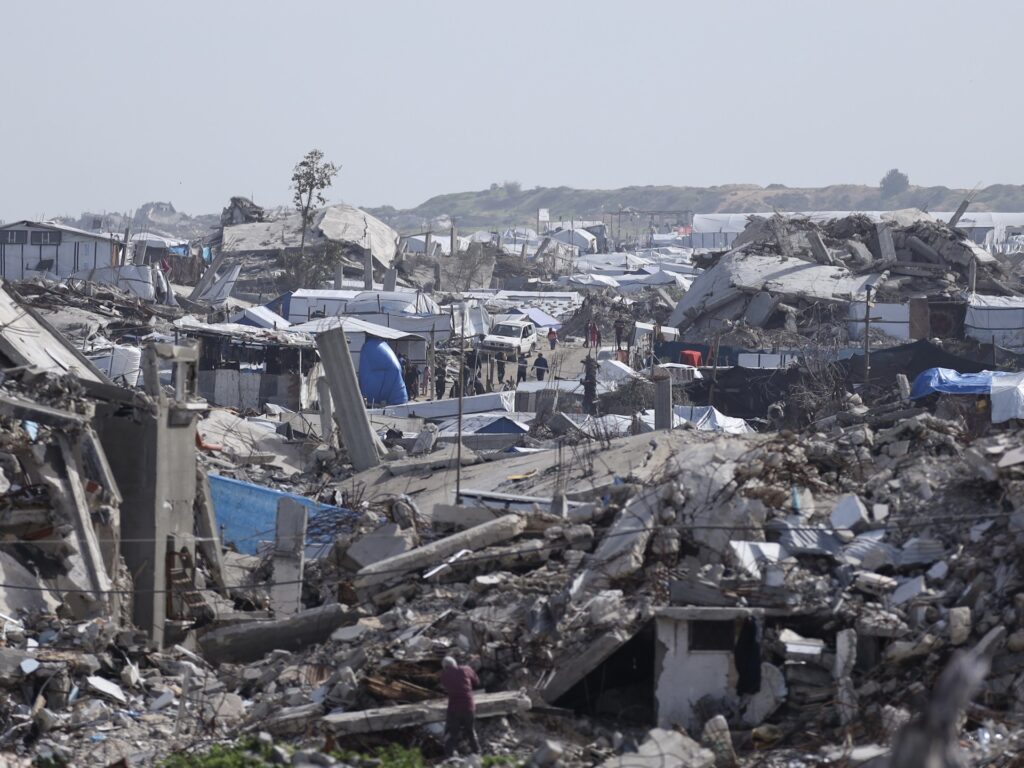
The Rafah Crossing has been a focal point in the Israel-Gaza conflict, serving as a vital passage for aid, people, and goods. Its closure has had profound effects on the civilian populations, intensifying hardships due to restricted access to essential resources and outside support.
Israeli officials indicated that the recovery of Ran Gvili’s remains might allow for diplomatic overtures that could result in easing movement restrictions at the border. The reopening of the Rafah Crossing would symbolize a step toward alleviating the humanitarian crisis in Gaza and could serve as a confidence-building measure between the conflicting parties.
The circumstances surrounding Ran Gvili’s captivity and death have added a layer of complexity to the already strained Israel-Gaza relations. His case underscores the human cost of the ongoing conflict and highlights the urgent need for peace efforts.
International observers and humanitarian organizations have called for increased cooperation and dialogue to ensure safe and steady passage through crossings like Rafah. These crossings are essential not only for providing humanitarian aid but also for enabling diplomatic engagement that can foster long-term stability.
The Israeli announcement has been met with cautious optimism among those advocating for conflict resolution and humanitarian relief. While the recovery of the remains is a somber reminder of the conflict’s toll, it also opens a pathway for potential progress.
Efforts to reopen the Rafah Crossing will require coordination between multiple parties, including the Israeli and Egyptian governments, as well as authorities in Gaza. Security concerns will remain paramount, but the humanitarian imperative is clear.
In summary, the finding of Ran Gvili’s remains is both a tragic closure to the chapter of his captivity and a hopeful sign for possible diplomatic advances. The reopening of the Rafah Crossing could significantly impact the region, improving access and conditions for the people of Gaza and potentially easing tensions.
This development will be closely watched by regional and international stakeholders invested in peace and stability in the Middle East. It exemplifies the complex interplay between security, diplomacy, and humanitarian needs that characterizes the Israel-Gaza conflict today.